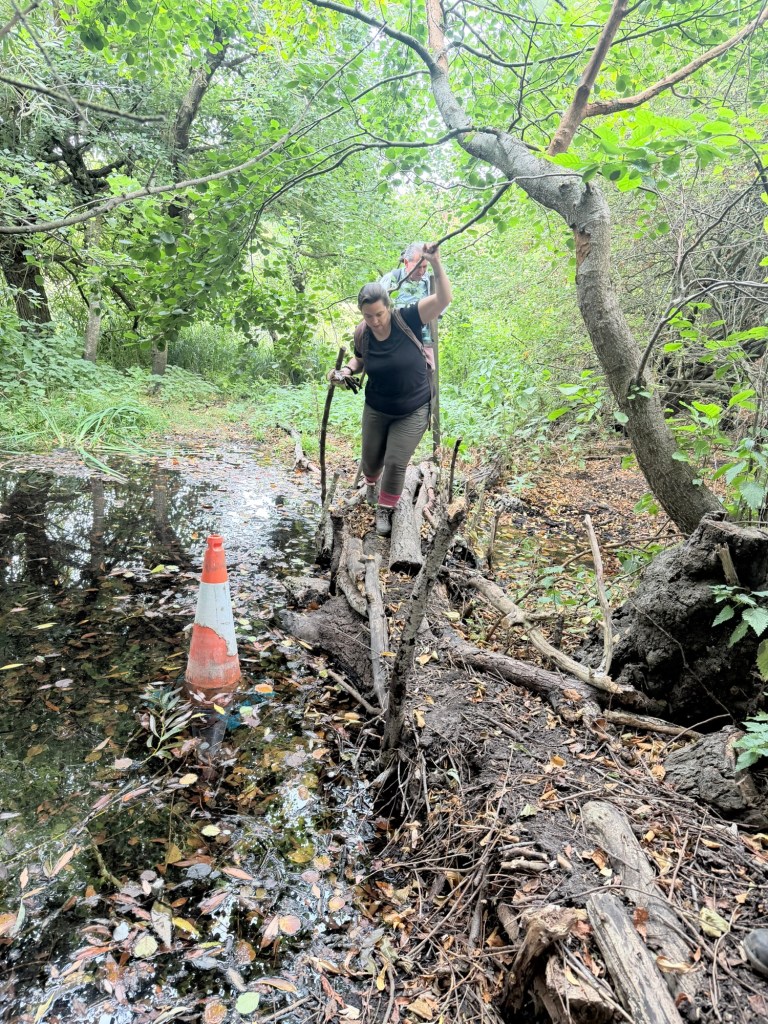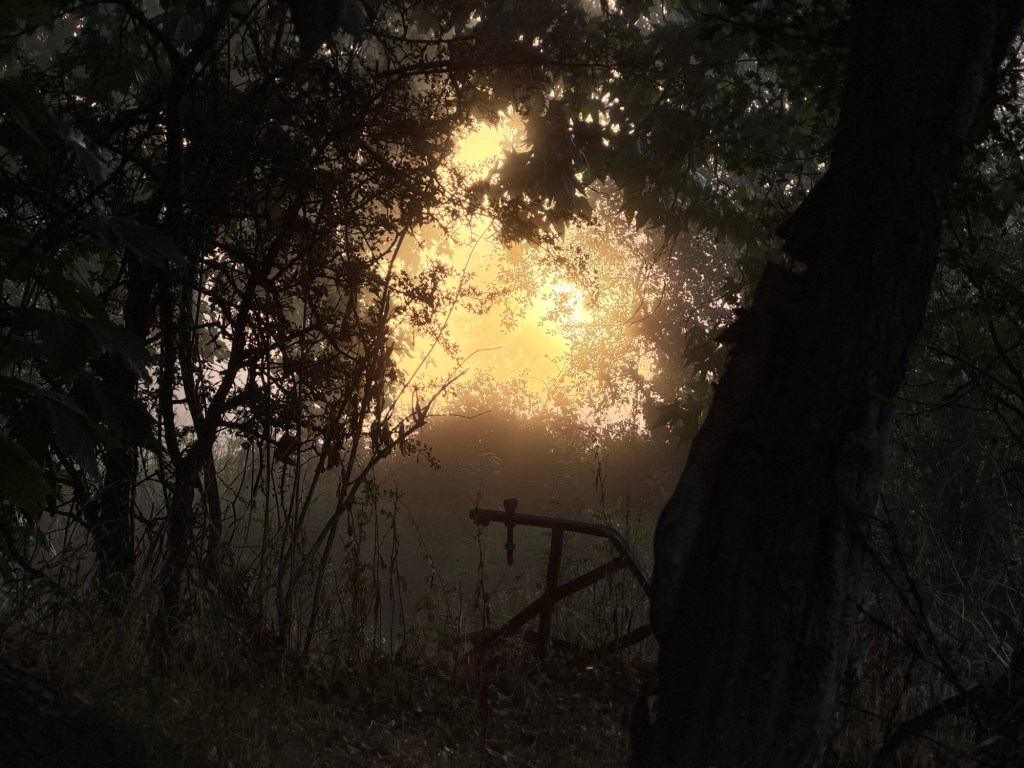
There’s a threshold between the town and the wild, isn’t there? Like a fairy gate. Pay too little attention, and you’ll miss the moment you walk from one world into the next. The real into the fey. Except, actually, the world I’m walking into is the real one. Carpets of wild mint and ragwort, the gentle shade of willows. Lazy song of bees and flash of butterfly wings. The world I’m stepping out of is the fallacy. The broken dream.
I hesitate on the boundary, where a gate separates a tarmac walkway from the dirt road that leads onto the marsh. Cattle graze along this threshold. A last nod to the human footprint trodden deep into this place. But goldfinches chatter in the nearby trees, and the sprawling green is waiting.
I’ve never been onto Fobney Marsh before. I’ve come to meet a group who call themselves the Marshians, in the hopes of becoming one. The name seems apt, seeing as I’ve felt like an alien amongst the locals most of my life, and the idea of honest, generous work caring for this remarkable habitat appeals to me, especially in the blistering, existential heat of this summer, with wildfires ravaging much of the northern hemisphere. My mind can’t help but wonder into the many prospective futures, all of which include the summers getting hotter, the ground drier, the harvests more meagre. Here, at least, I might do something good. Help keep land green. Remind my body that I’m only borrowing it from the Earth and it’ll go back there one day, so might as well treat my past and future mother right.
I step off the tarmac, and onto the dirt.
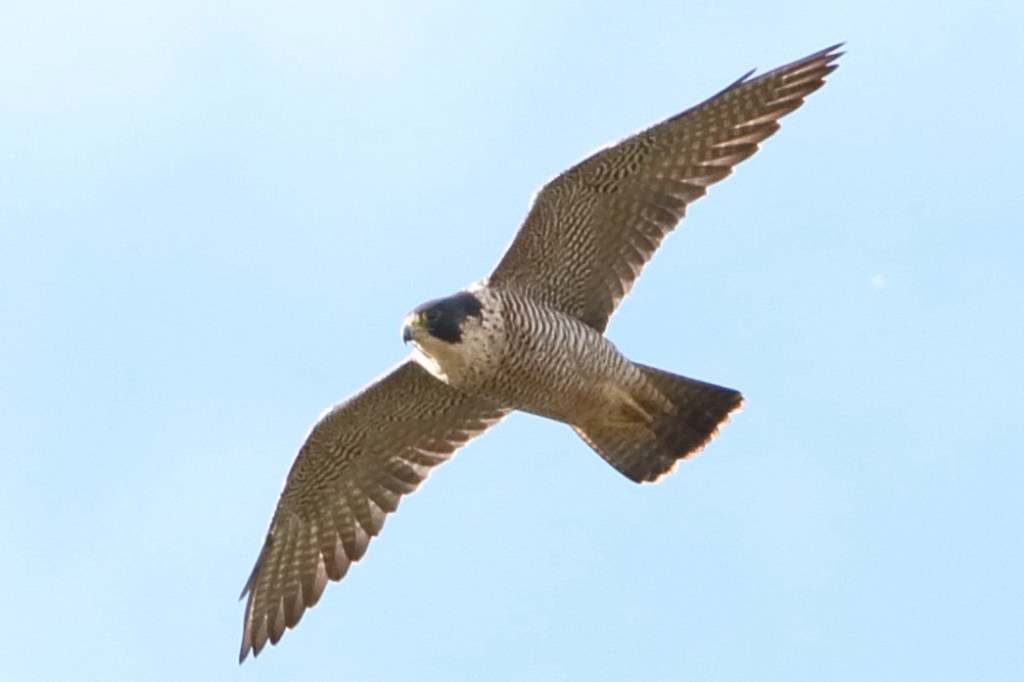
No idea what makes me look up right then, but I do. A dark shape glides overhead. Low enough for me to see it’s no pigeon. Huge. Wings beating lazily. Something in its talons. That angle to its wings, its sleek, streamlined form, mean it can only be a falcon. Maybe it sees me. It comes lower. I catch a flash of its features. Hurricane grey feathers. Darkly barred chest. Beak and feet a bright, sunburst yellow, like the markings around its glittering, black eyes. Does it look at me? I’m not sure. For half a second, I stare into that eye. The primal, wild intelligence of a predator.
My lips form the word, but no sound comes out.
Peregrine.
I message the others: just seen a peregrine!
A reply: Cool! We definitely get them on the marsh. Great that you saw one!
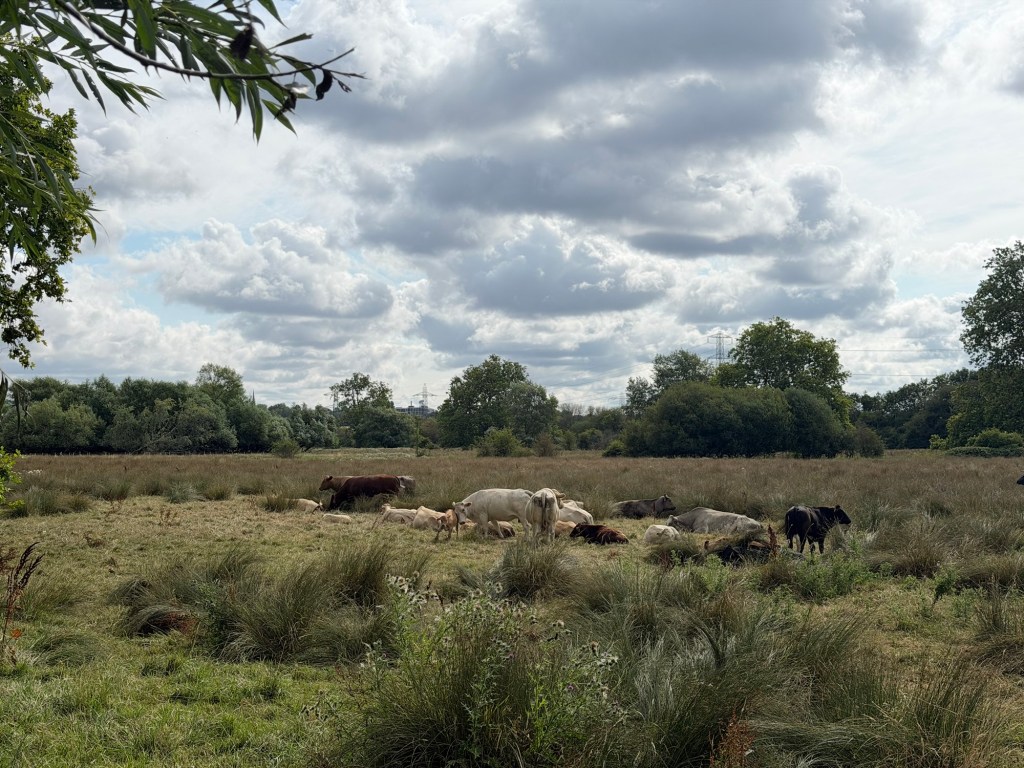
I plod along, past pastures of grazing cattle, a copse of willows I will later learn is a single willow that has grown, died, fallen, and regrown from itself so many times that it now looks like seven trees, not one. The pasture gives way to ragged clumps of silver leafed plants, sprawling brambles, burdock buzzing with insects. Something squelches under my feet and it takes me half a second to realise it’s mud. The path is actually muddy. After the summer drought, I’d forgotten what it felt like to stomp through mud.
I meet the others on the railway path, sheltered from the worst of the heat by overhanging trees. They’re dressed in wellies or walking boots, loose trousers and comfy shirts, hefty back-packs. Broad-brimmed hats. Binoculars slung around their necks. All smiles. I’m introduced. In my anxiety, I instantly forget everyone’s names, though it helps that half of them are called Paul.
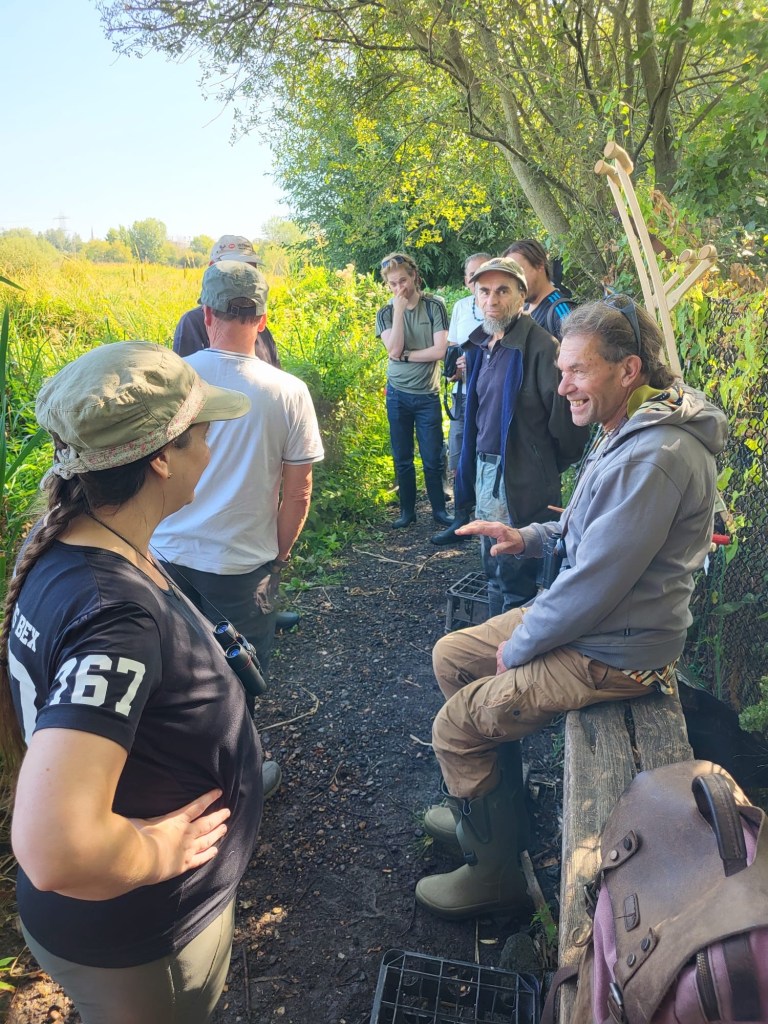
We head into the wild. Off the path. I’m wading through nettles that have grown to shoulder height, reeds and grasses so thick my feet disappear. Each footstep throws up a deep, fresh fragrance. The air is heady with it, coming from the purple-flowered plants growing merrily between everything else and, even still this late into the evening, bustling with bees in the summer heat.
I ask, ‘what’s that smell?’
‘Wild mint,’ someone replies. ‘Gorgeous, isn’t it? Smell of the marsh for me.’
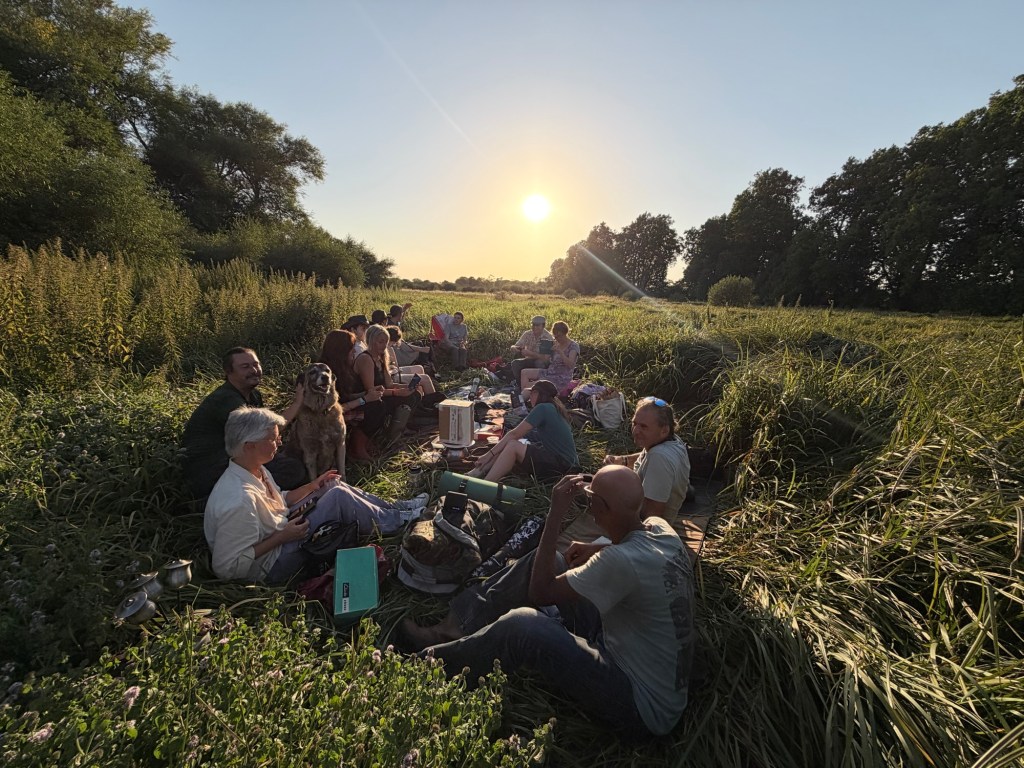
We trample down some reeds, set up camp. Picnic blanket. Camp chairs. A hearty supply of vegetarian and vegan offerings. We’re here to watch the eclipse, and everyone has brought an array of different systems for doing so. Colanders, magnifying glasses, bits of paper to project the cosmic miracle onto. Someone’s made a viewing box and we applaud the effort, though the box turns out not to work and we end up using it to project the spectacle onto through a small telescope. Only one of us has managed to acquire a pair of actual eclipse glasses, and these are passed around over the next few hours while we crack open cold beers, share crisps and olives. The dogs lounge in the shade.
A bird I’ve never seen before lets out a thin, reedy call, wings flashing white. I point.
“What’s that?”
The answer’s immediate, and comes from all directions.
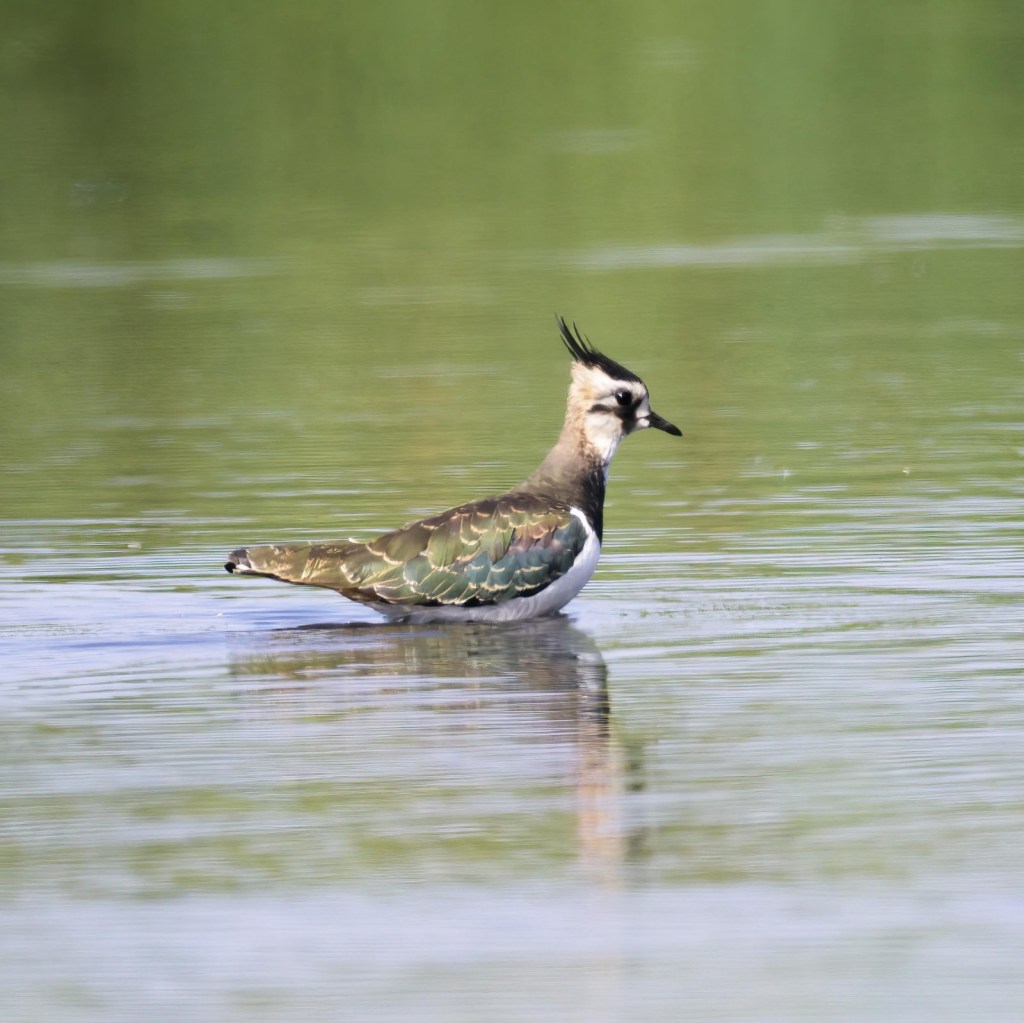
“Lapwing.”
I’d always thought myself pretty knowledgeable about birds, but I’m not in my usual small pond anymore. These are marshians. They know their country. The birds that fill the skies and waterways. The insects, spiders, trees, and flowers that make this place what it is. I’ll later learn that there’s one marshian who can identify any plant I point at quicker than I can whip out my phone to access my ID app. It will become a game, but one that fills my mind with names that feel like secret spells.
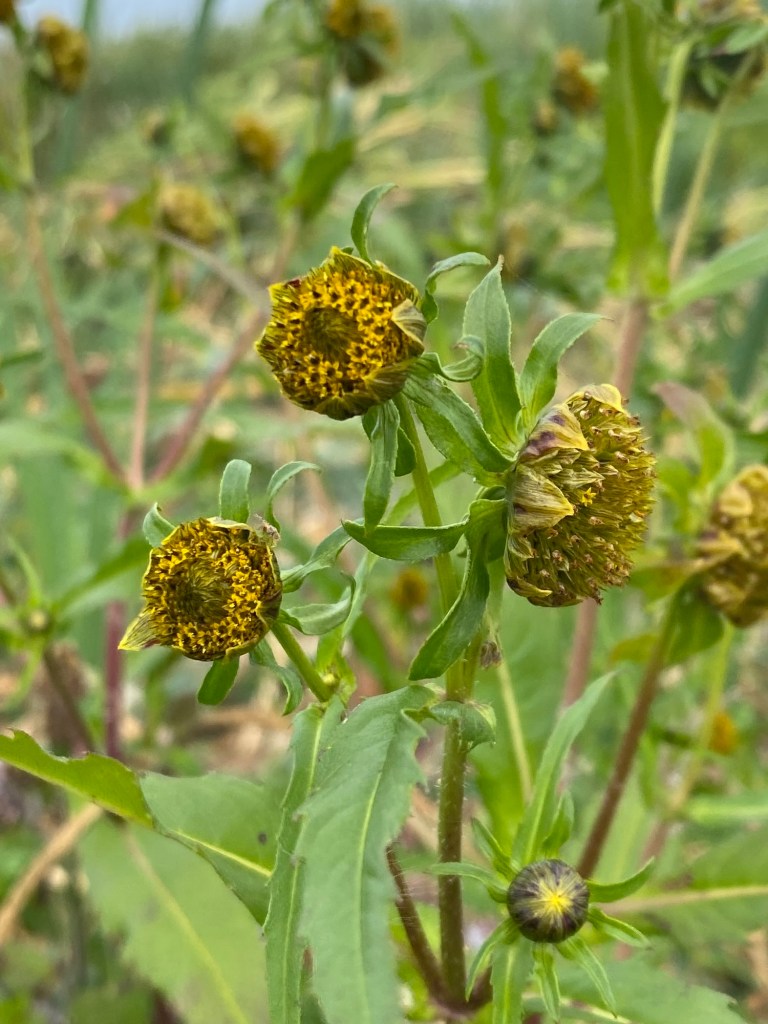
Nodding bur marigold.
Purple loosestrife.
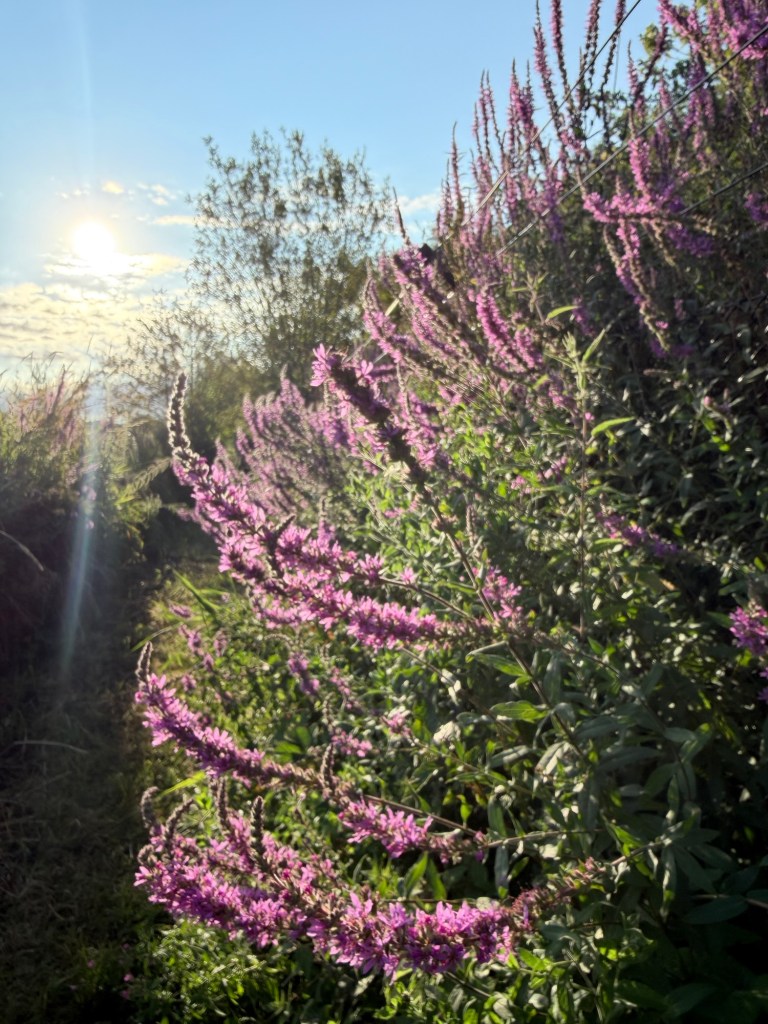
The names fill my head with colour.
In the days to come, I will collect seeds and rub them on my clothes to spread around the marsh as I walk. I will, at one point, utter the phrase, “please can I smell the otter poo?”
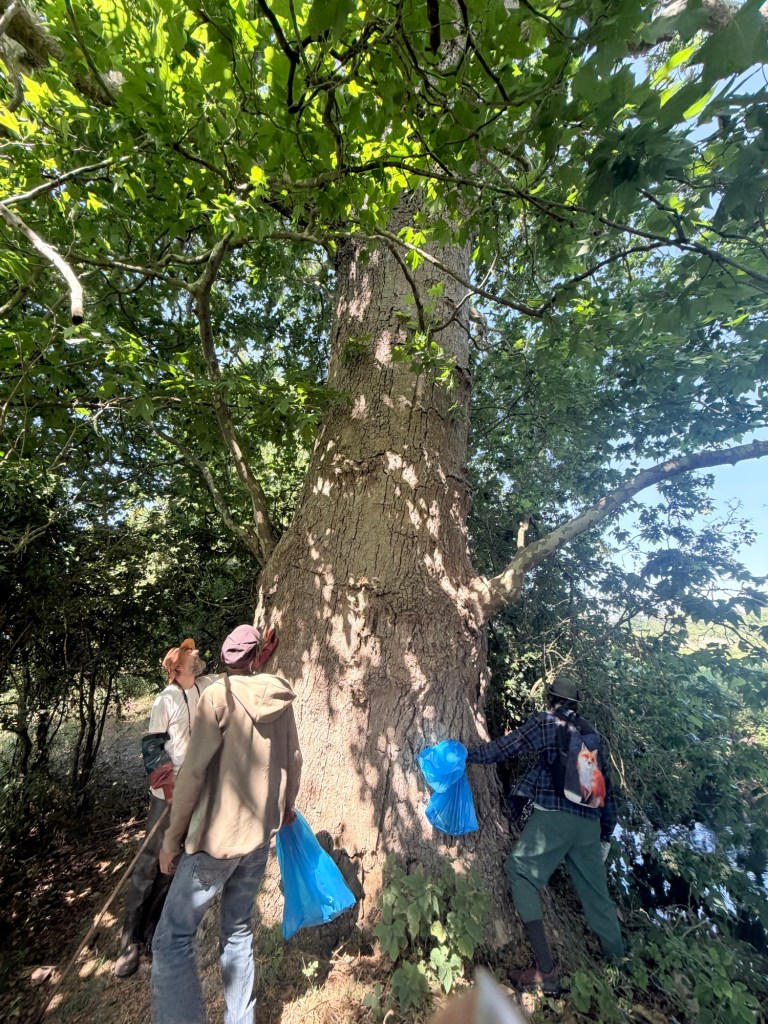
I will crane my neck and stare up into the ancient limbs of what are likely the oldest London Planes in the world, their trunks thick enough around that it would take five or six people holding hands to encircle them.
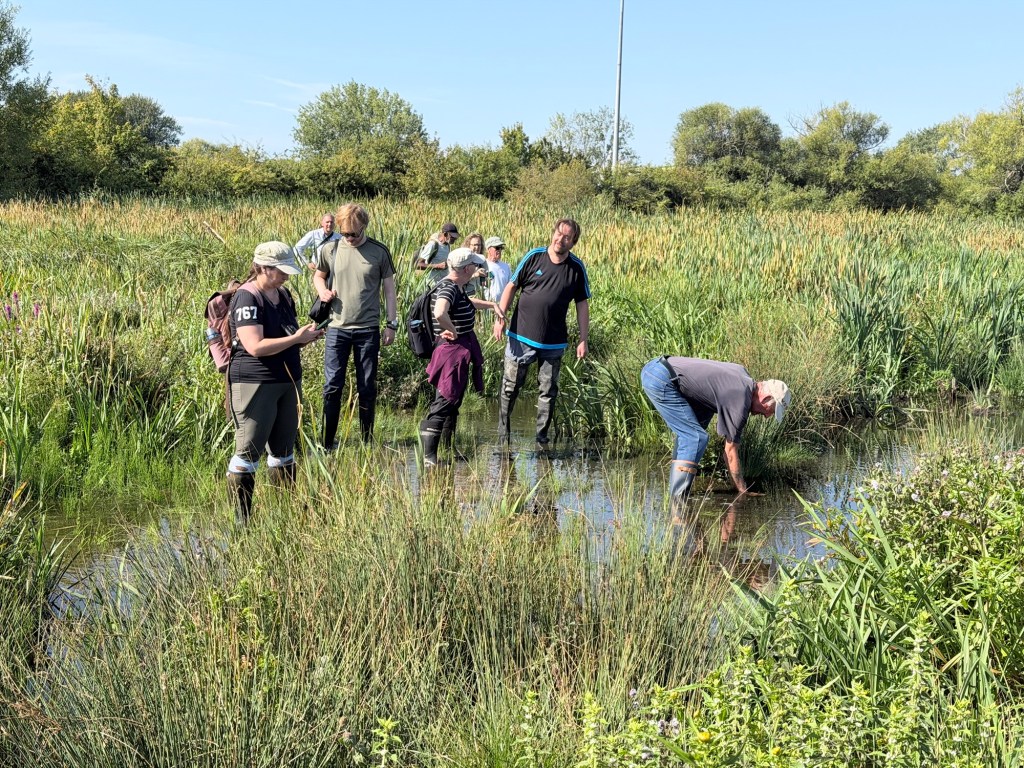
I will wade into water and mud almost up to my knees, splashing in glorious, primate joy as my body remembers that it belongs, before anything, to an animal. A hairless ape, whose survival is just as tied to the land as the land now is to us. My feet have always known how to walk this country. With softness. Leaving only temporary footprints. They just need reminding, is all. And I’m surrounded by teachers. Smiling. Joking. Passing around food, friendship, knowledge. A gentle acceptance of this new creature into their world.
Welcome. We’re so pleased you’ve come. Look how beautiful this place is!
Now, though, someone nudges my arm and passes me the eclipse glasses.
“Want to look?”
Last time there was an eclipse, I was eleven. I’d gone out on my Uncle’s boat, but I had no eclipse glasses and I’d promised my mother profusely I would not look directly at the sun under any circumstances. This time, I put on the glasses and look.
Somewhere, a buzzard yells in the sky. The conversation around me dampens in my mind to a murmur. I watch as the moon nibbles the sun, then bites. Devouring. A carved scar in the light. The air takes on a strange, orange glow. The birds fall quiet.
My mind tingles, like a little creature is scuttling across its surface. Because I am so small. Somewhere very far away, two mighty celestial beasts are crossing paths, millions of miles apart. And on a lonely planet, suspended in the endless nothing, a group of human creatures look up, watching, and understand the immensity of what we’re seeing. This moment is a wild, accidental miracle. My eyes burn, and look away quickly, before I end up bursting into tears in front of a group of people I’ve only just met.
If anyone notices, they don’t say. I will later discover, to my delight, that the marshians, like me, are all beautiful misfits. We are a tribe of dreamers, reminding our hearts and feet what several hundred thousand years of evolution wrote into our bones.
We are the land and the land is us.
I’ve been thinking about what it means to belong to a place. Not just to visit and exclaim how lovely it is once in a while, but to become part of it, somehow. For my presence to be accepted by the beings that also call it home, because my interaction with it is ultimately positive, my love for it compels me to protect and care for it, and its love for me does the same. A place from which I never take without giving, and whose quiet gifts I know are meant for me.
I’ve realised that the idea of home is a notion I don’t have a lot of emotional connection with. It’s always been easy for me to leave a place. I didn’t feel ripped free of the town in which I grew up (in fact, I couldn’t wait to get away), nor from the cities and towns I’ve lived in since. Home, for me, has always been people.
But I’ve never rooted myself to a land. A country. I wonder, now, if much of my struggles with anxiety, fear, existentialism, have come from that unrooting. The delicate parts of me on which my survival relies have never found the tender, loamy darkness that would allow them to grow. How many of us feel the same?
There are marshians here who belong to this place. The marsh recognises their footsteps. The trees know the feel of their fingertips. The air remembers the vibration of their voices. In three weeks, I will have an abundance of new friends saved into my phone, and every single one of their surnames will be listed as ‘Marsh’.
Because we are what we build. What we save. What we give.
I don’t belong to this place yet. I’m still a stranger. But each time I walk on her, I promise I’ll walk well. I’ll greet each bird I see. Each old, gnarled tree. I’ll listen to the way the land breathes; her slow, seasonal hearbeat, the endless, cyclical pattern of birth-death-birth that is the living world.
I don’t expect to be accepted. None of us ever can. But each time I walk here, I’ll ask. And maybe one day, the marsh will reply.
Yes. You belong here. You always have.