
The conditions for stomping couldn’t be better
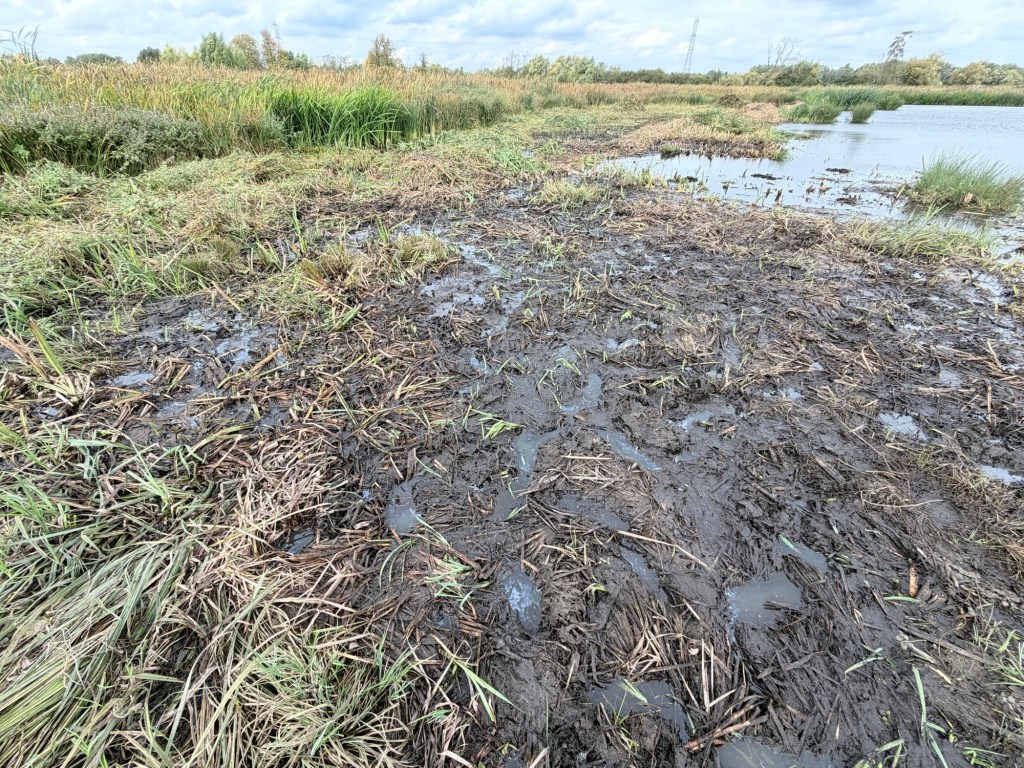
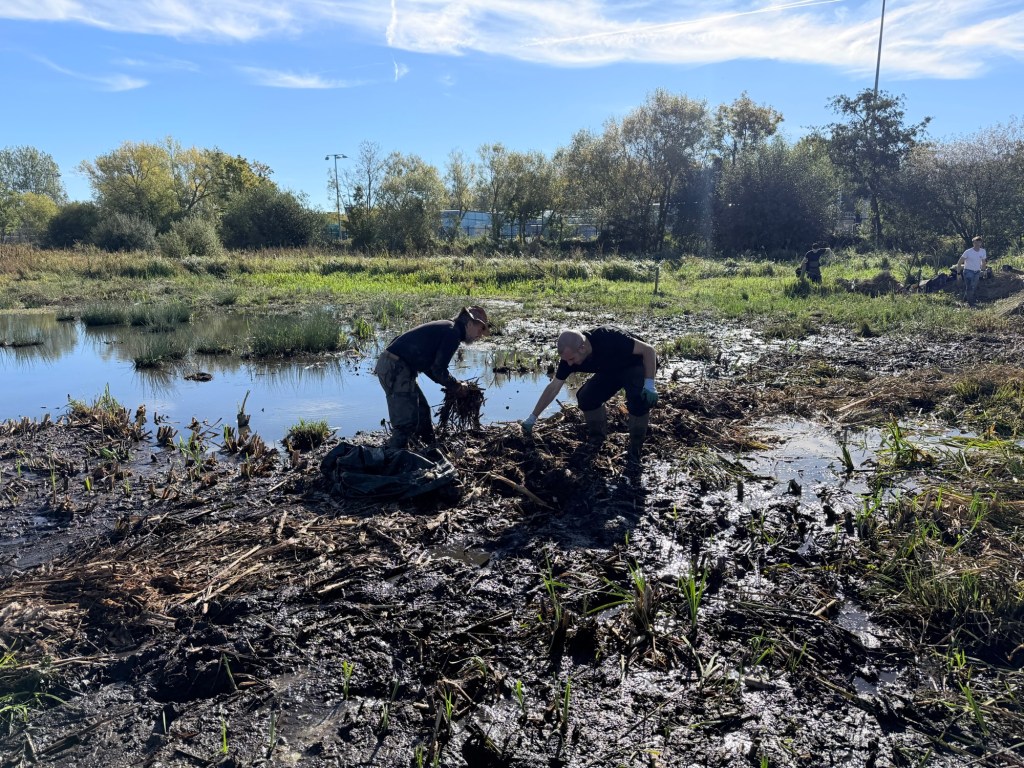
The wet margins are easier to scythe now, because there is only one year’s growth. We are cutting the area we cut less than a year ago
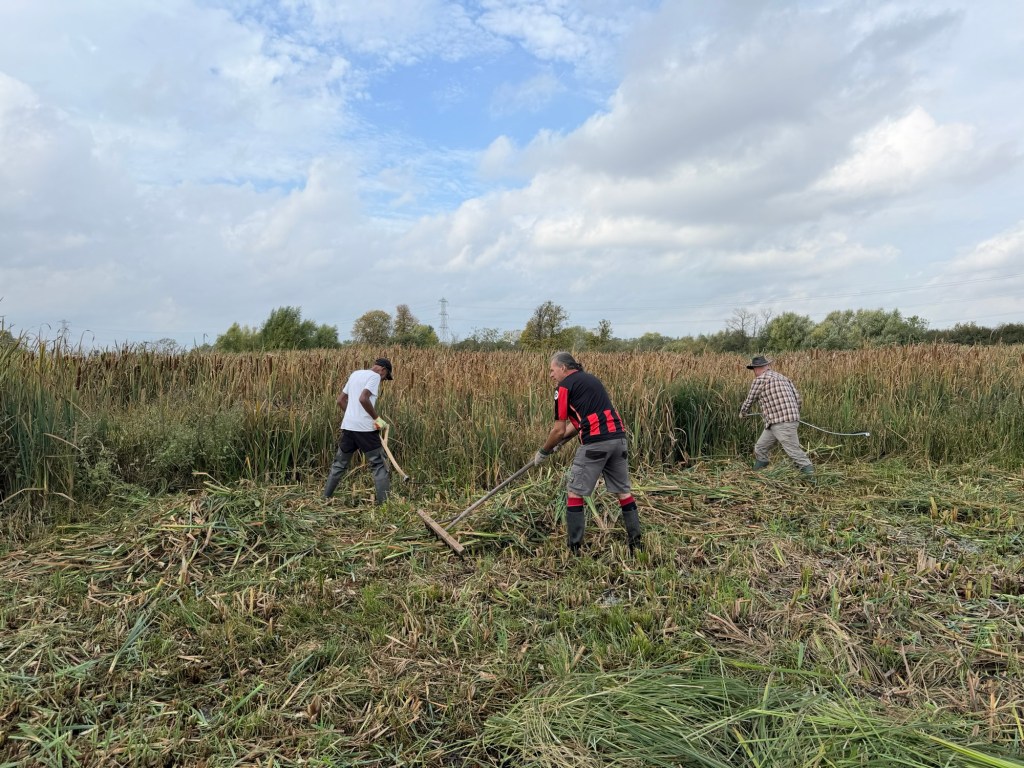
The water levels are still high, and have been all year. We’ve learnt how to keep the marsh wet despite the drought, and without beavers.
Once we’ve cut the Reedmace and the Sedges we have the perfect conditions to make mud.
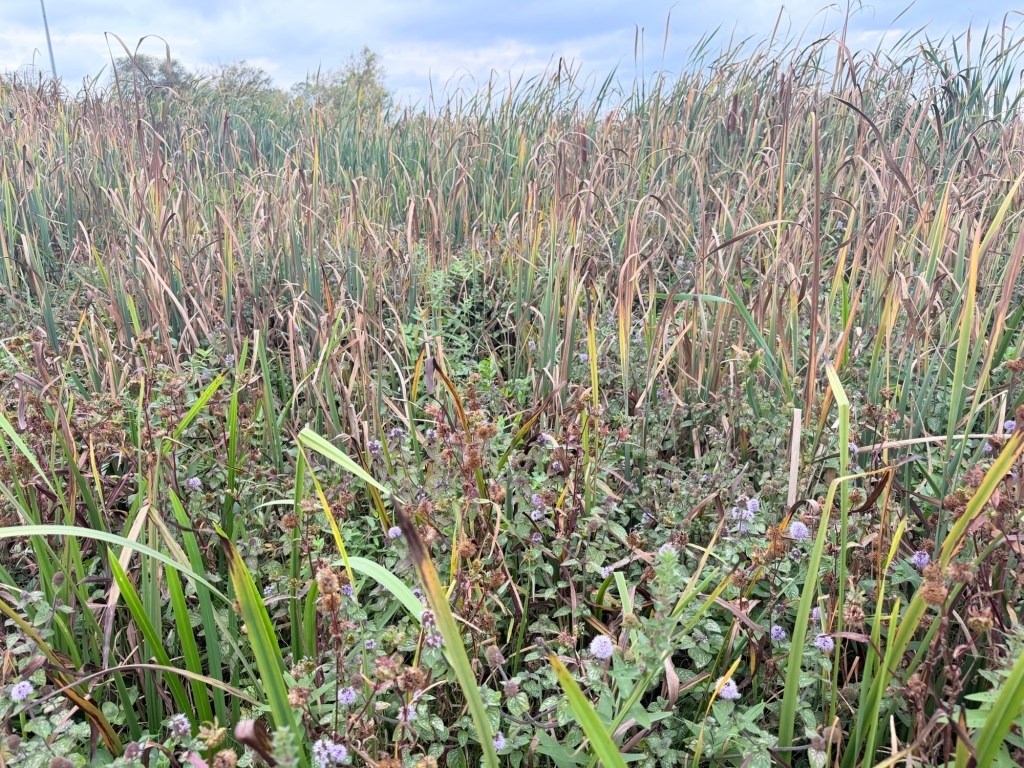
It only took a few months for last year’s cleared area to regrow. The mud we’ve made previously has proved to be an excellent source of long dormant seeds.
Nodding bur marigold also known as beggarticks has become common. I’m not sure if there was any here when there were cows grazing.
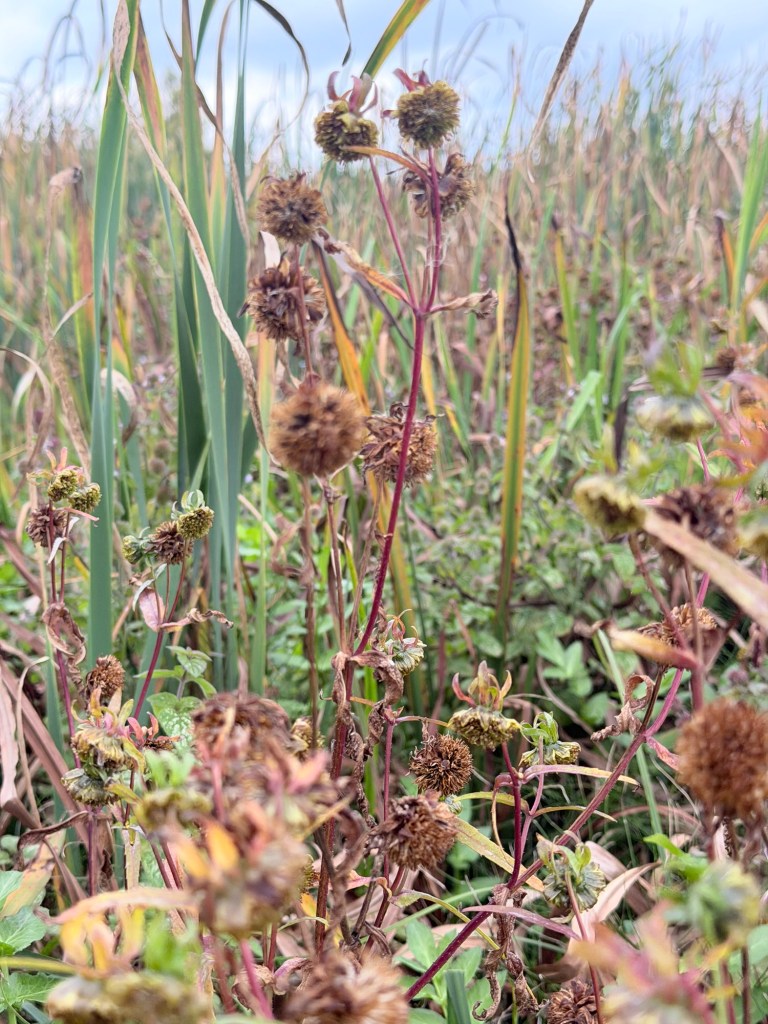
It’s now common on the marsh and it’s going to become really abundant. The seeds have little hooks and are ripe when we start scything
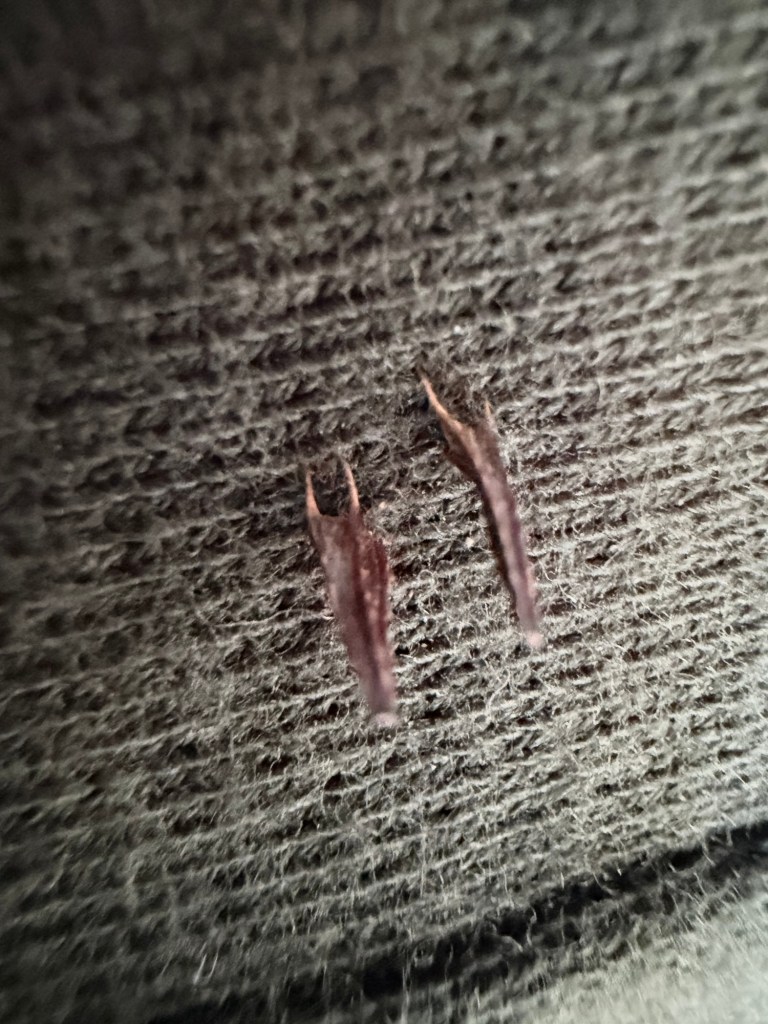
They attach themselves to fur and clothing. It must have been a common plant in the past. If it got a common name it was a common plant.
People who spent a night sleeping in the wild would be adorned with the seeds. Now marshians become adorned with them and not necessarily inadvertently spread them. And then they stomp the seeds into the mud. With a little help a declining wildflower will become common again.
Watermint fills the air with its scent
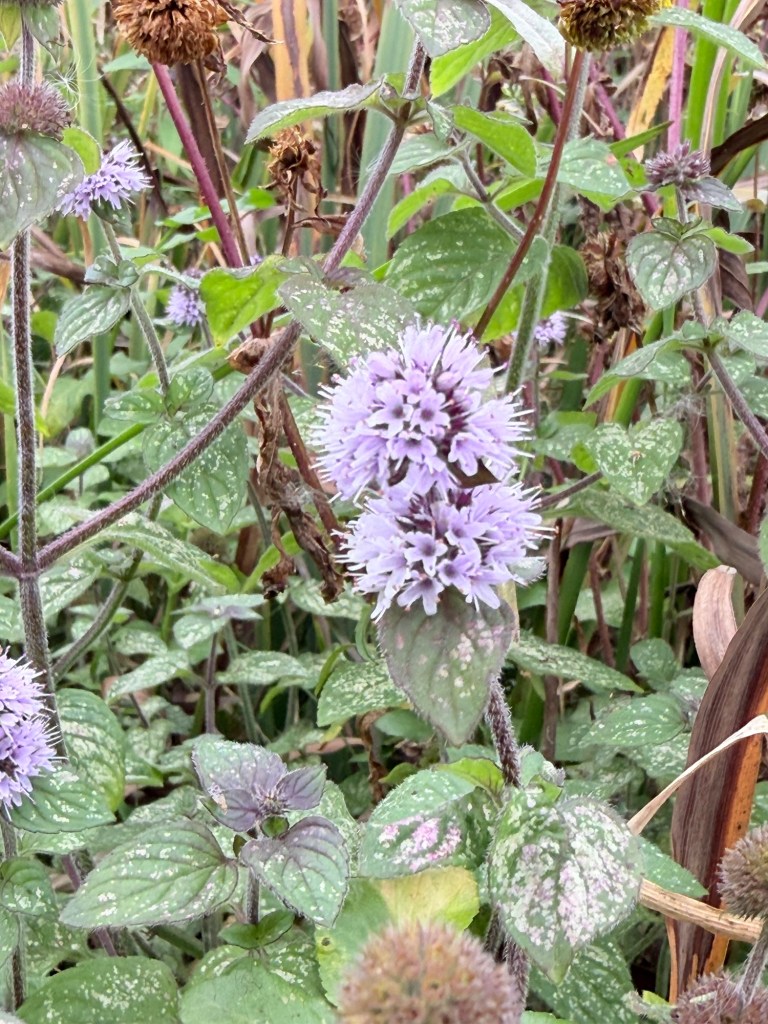
It’s also full of bees and hoverflies and many other plants attracted to its nectar and pollen. As we squish the marsh with our wellies Drone flies, a hoverfly that looks deliberately like a bee, lay their eggs in the mud.
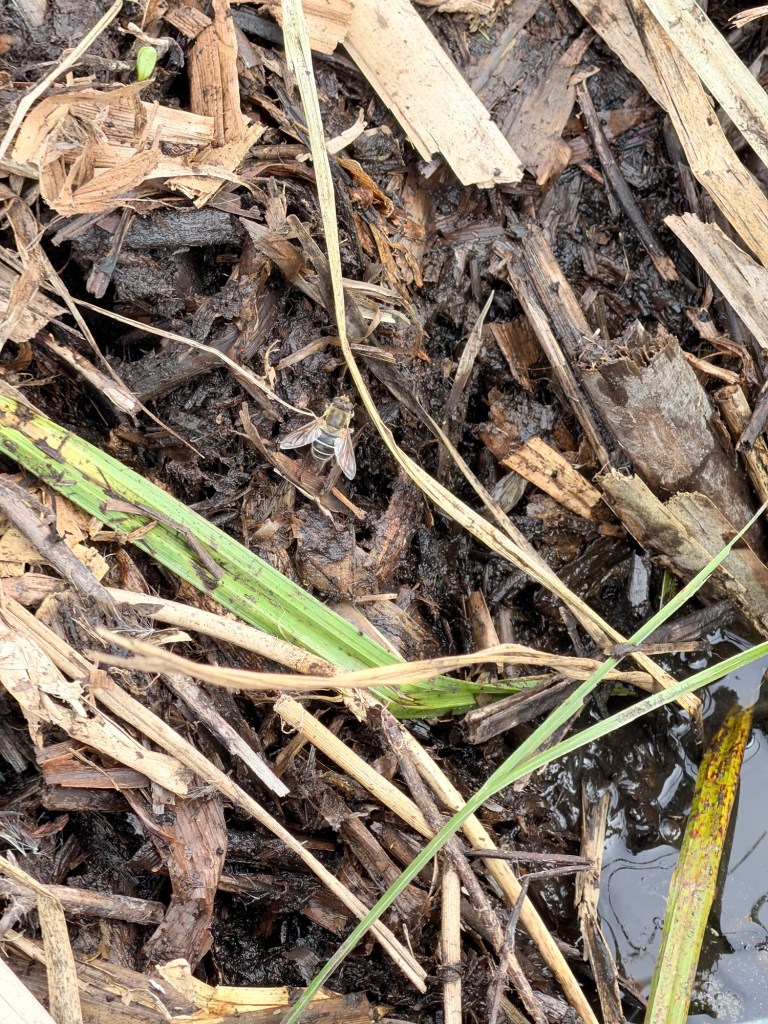
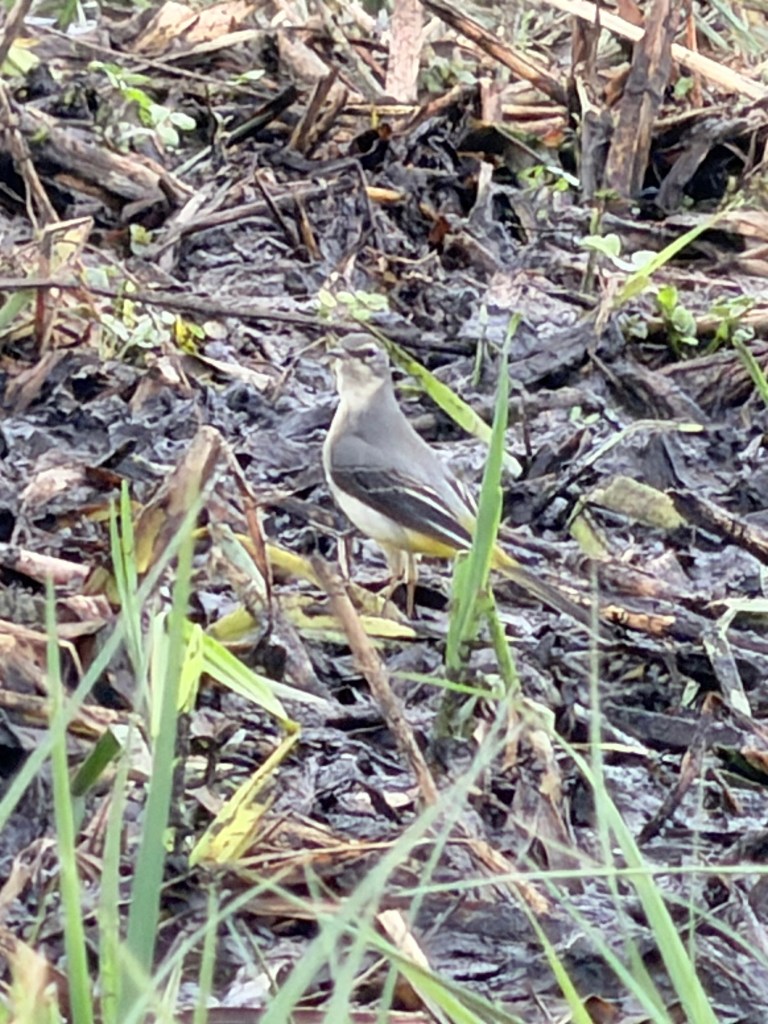
They will hatch into rattailed maggots. They are not alone. There are countless bugs squirming around. As we leave the marsh Grey Wagtails fly in and hunt about for them.
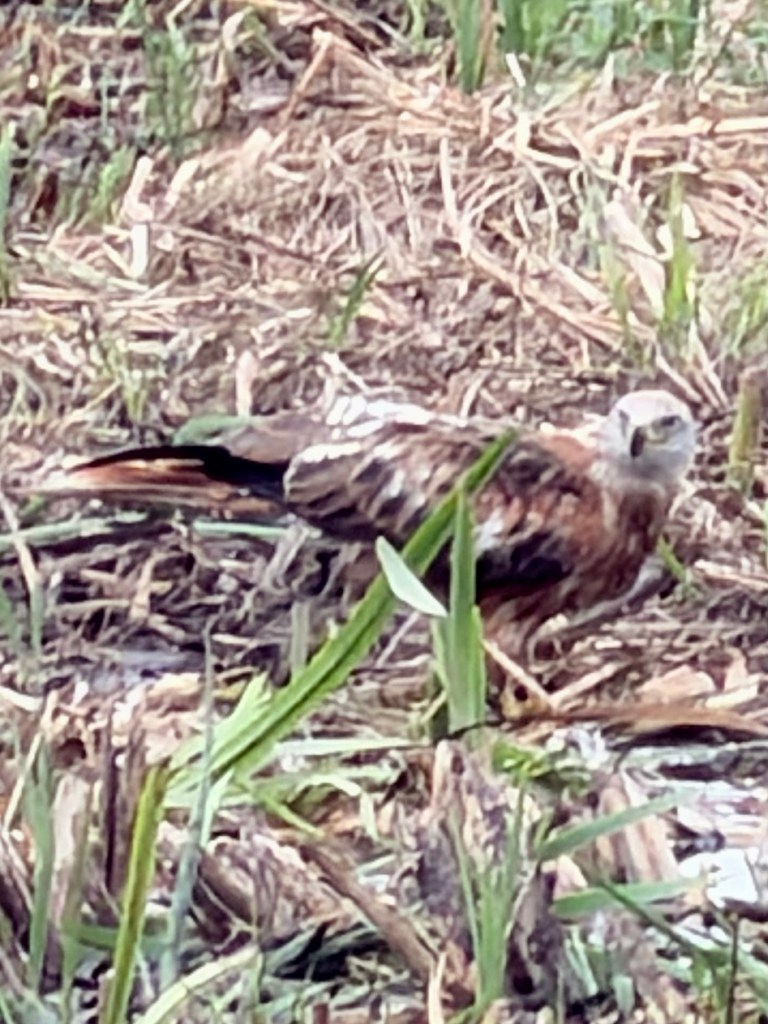
And even a Red Kite lands and spends a while sipping from the shallow pools
Left to its own devices the marsh would be dense vegetation. The Reedmace Bur reed and sedges take over. And in most places on the marsh that’s exactly what happens.
Lovely for Harvest mice to nest in. We always stop to admire the nests we find. The mice have finished with them by now, at least the ones they used to rear their young. We also find the smaller nests which solitary mice use for shelter. They can build them in a day apparently, but in advance of the winter floods they seek out places that will be above water. We hardly ever see them. If the floods come suddenly we might catch a glimpse as they leave for higher ground.
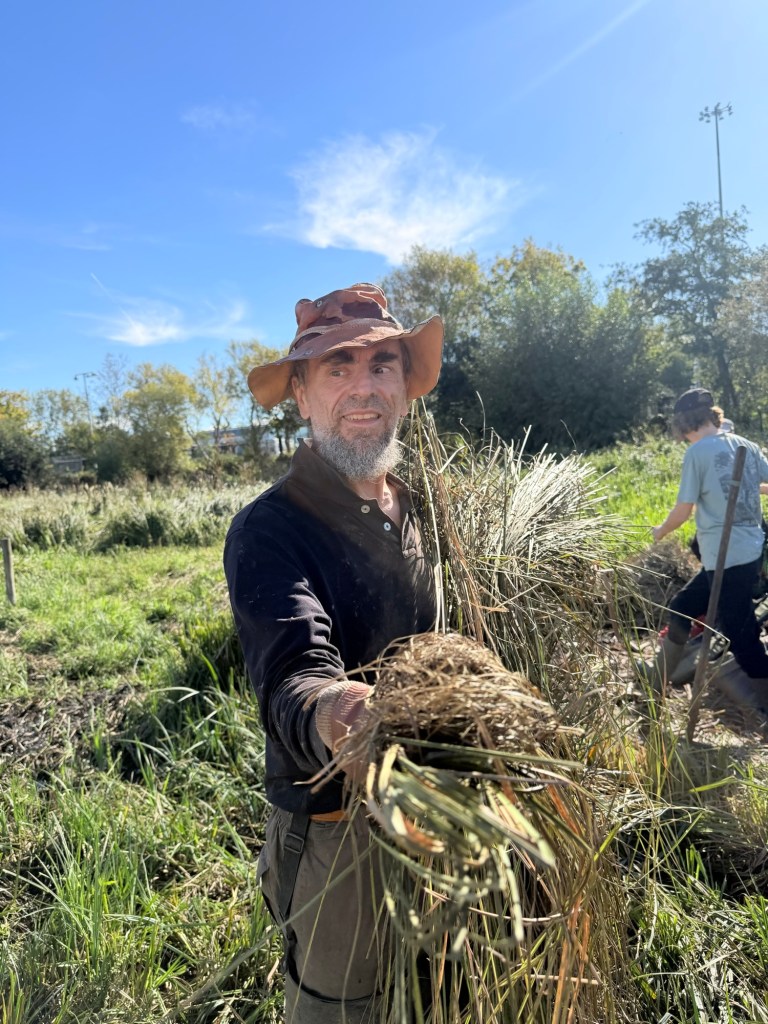
The best thing about being a Marshian and stomping and scything is the sociability. We don’t work too hard and when a lot of us turn up we make a massive impact.
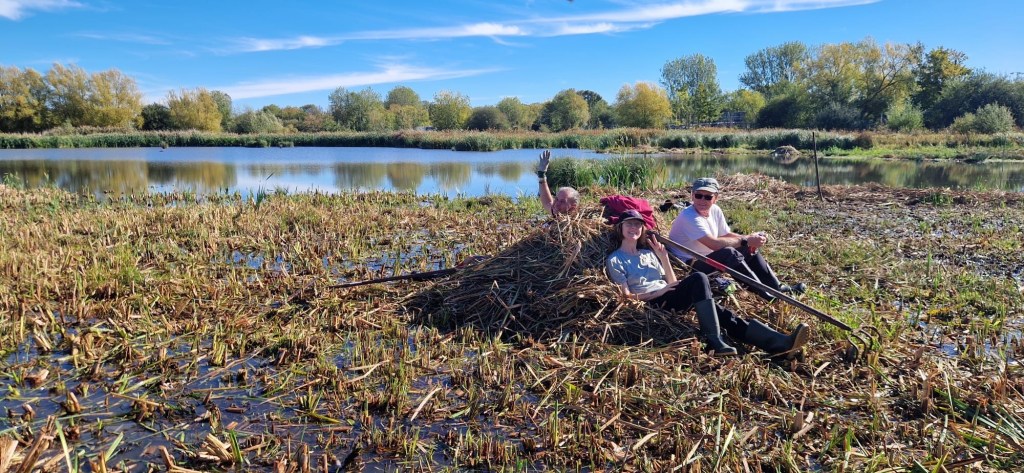
And that makes us all feel good.

