
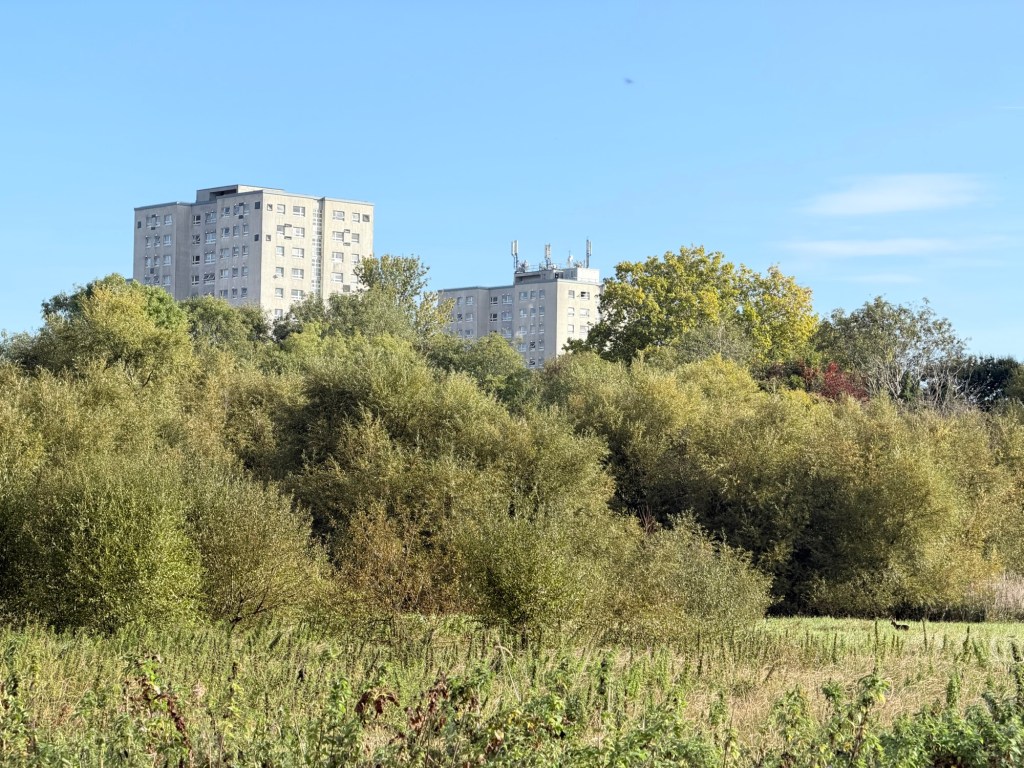
This is a winter flooded woodland. Most of the trees that make up the woodland are willows. They’re grow easily and fast so long as the soil stays moist.
You don’t need any tools or money. In fact you don’t need to do anything at all.
Poke a twig into soil that at least stays moist and they’ll root.
Even if you don’t do that their seeds blow from mature trees in countless numbers every spring.
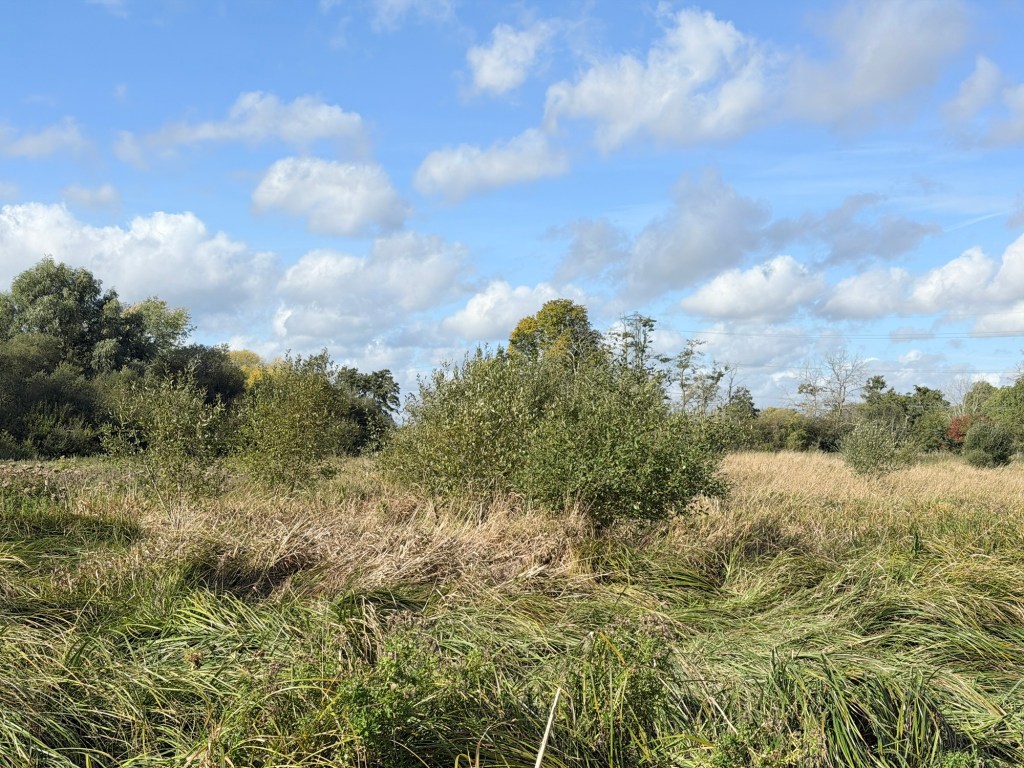
Many other trees will disperse seeds and many will germinate.
Despite millions if not billions of seeds landing in this field from the neighbouring trees very few become trees. The conditions that allowed them to colonise the land after the last ice age are rare. They need bare soil that stays wet for quite a while.
Ten years ago the cattle that roamed here ate them as soon as they started to grow if they did sprout. Now the cattle have gone but the grasses prevent most of them from germinating. A few grow but only a minuscule fraction of the seeds that landed on the ground.
Hawthorn berries are eaten by birds and the seeds within the berries are scattered far and wide. But if the land is flooded and stays too wet they don’t thrive
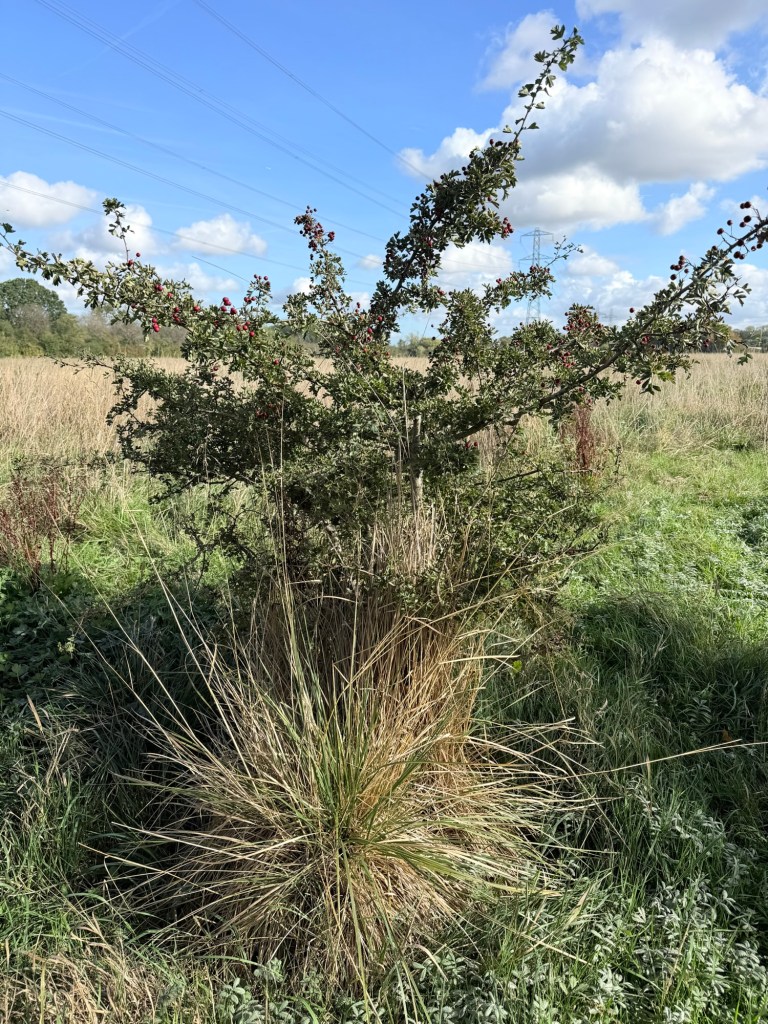
Given a head start willows will thrive. They will grow happily away from water but they cope well with weeks of flooding which few trees do.
Places where the first willow seeds germinated have over thousands of years developed the rich dark soil from millions of leaves that have fallen every autumn to enrich and even make the soil in which trees might grow.
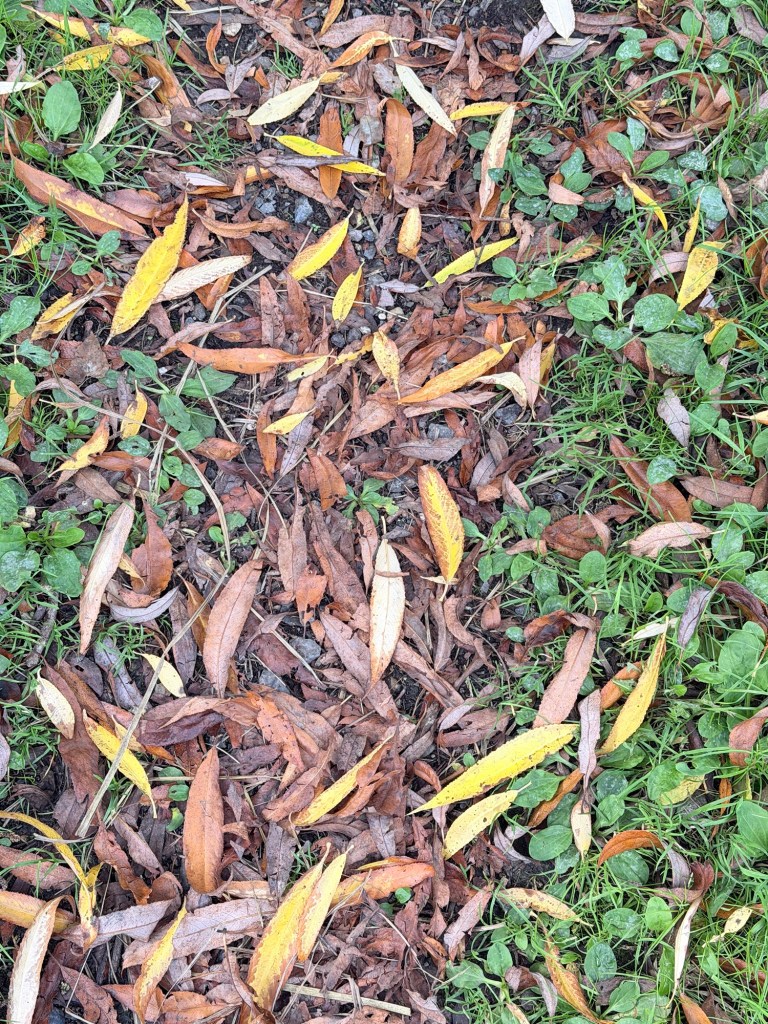
And that soil is what makes our marsh rich in plant life, and the multitude of pollinators that share the habitat.
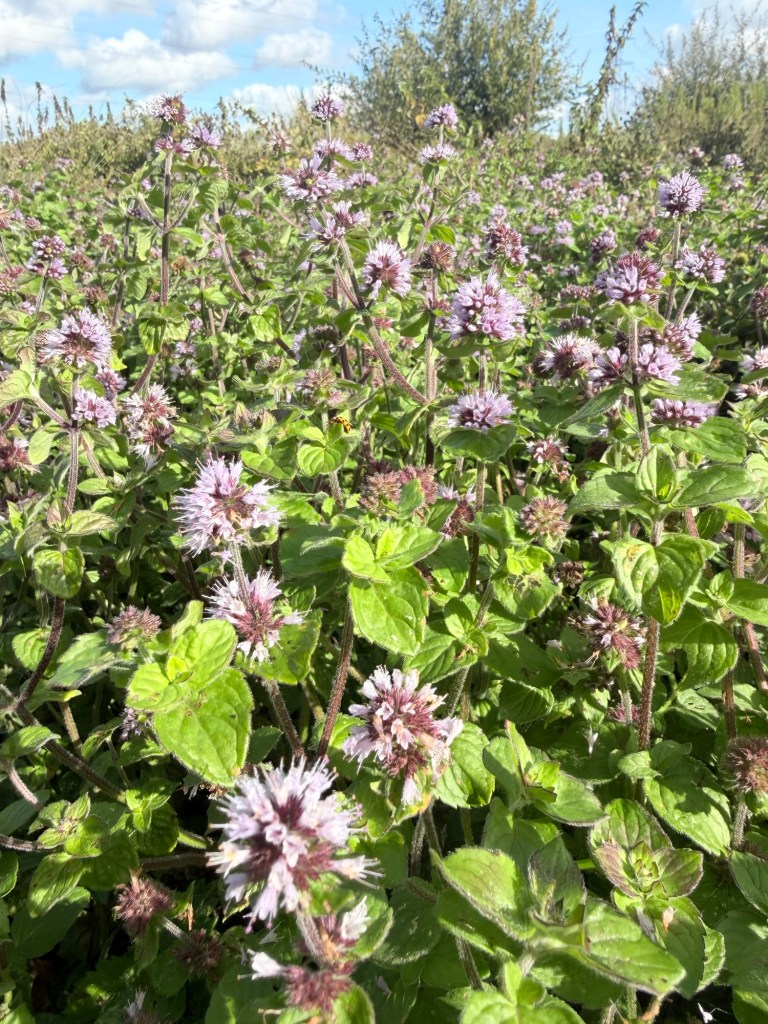
It’s also what made our river valleys so fertile and good places to farm.
Very few willow woodland survives now. Once there was such a woodland stretching from Coley in the north to Beech hill to the south. From Reading west along the Kennet to Silbury hill in Wiltshire. It’s almost all gone. It’s been drained and farmed and built over.
Willows have special roots that grow in water allowing them to dominate places where other species of trees get drowned. Very few trees have these, so they struggle in permanently wet soil.
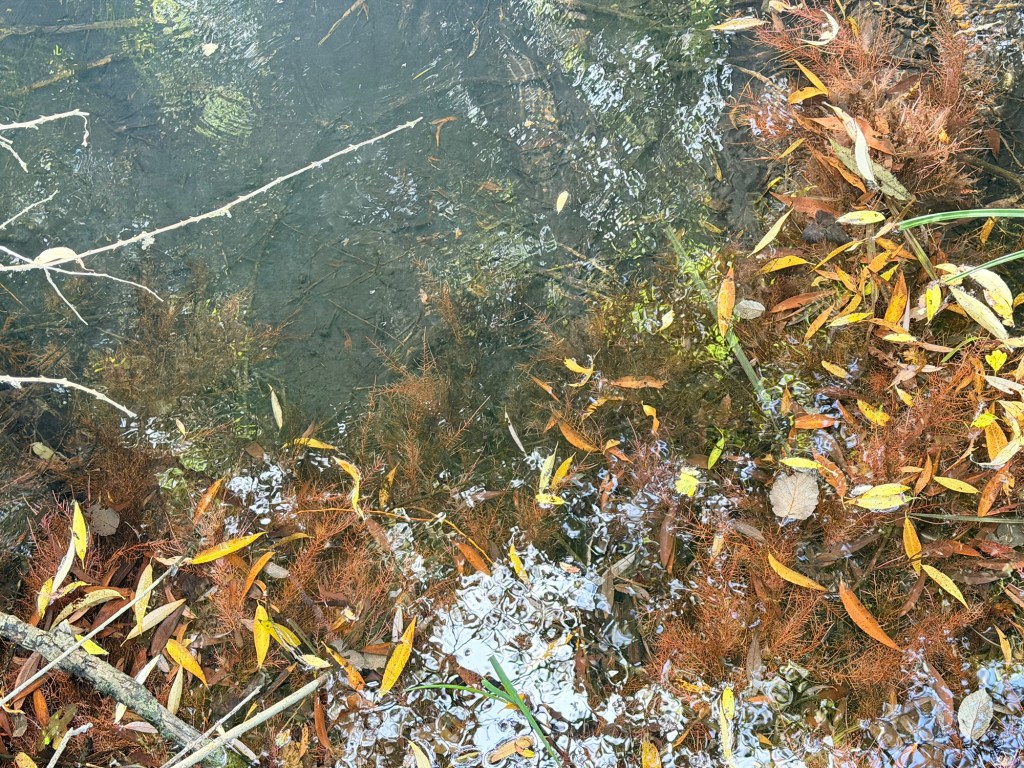
So winter flooded land became winter flooded willow woodland. Rarer now than temperate rain forest. And nowhere near as fashionable.
As Willows of one form or another have been around for such a long time lots of other things have evolved alongside them.
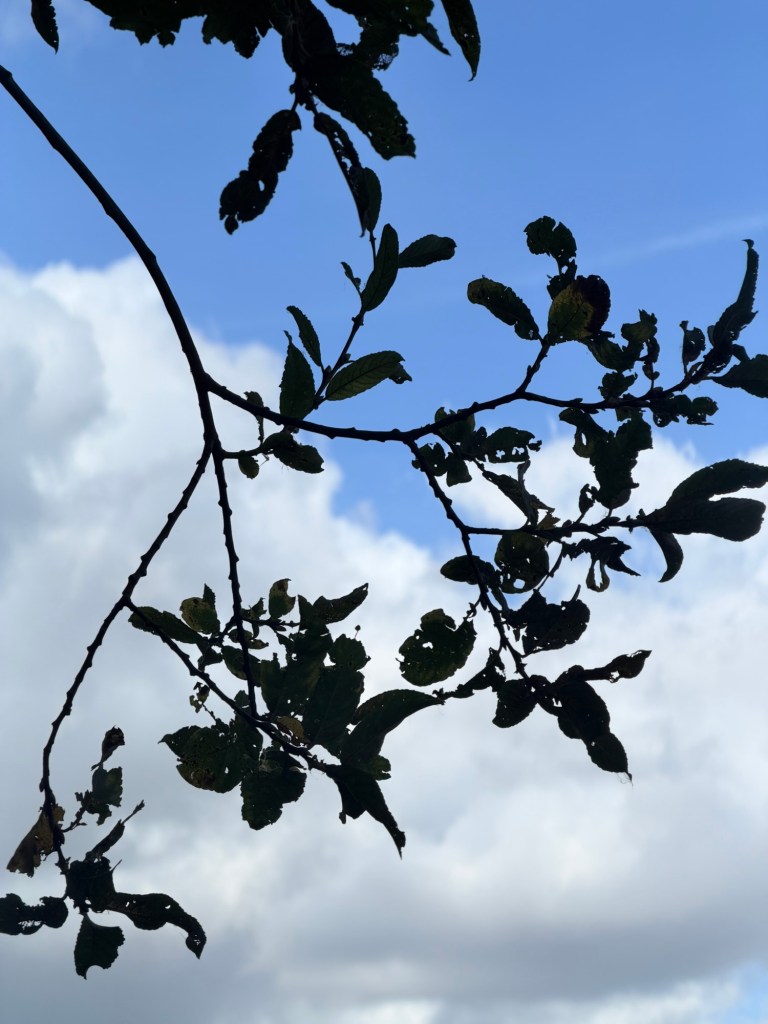
Their leaves are very palatable. Caterpillars and countless other invertebrates eat them and even live inside them.
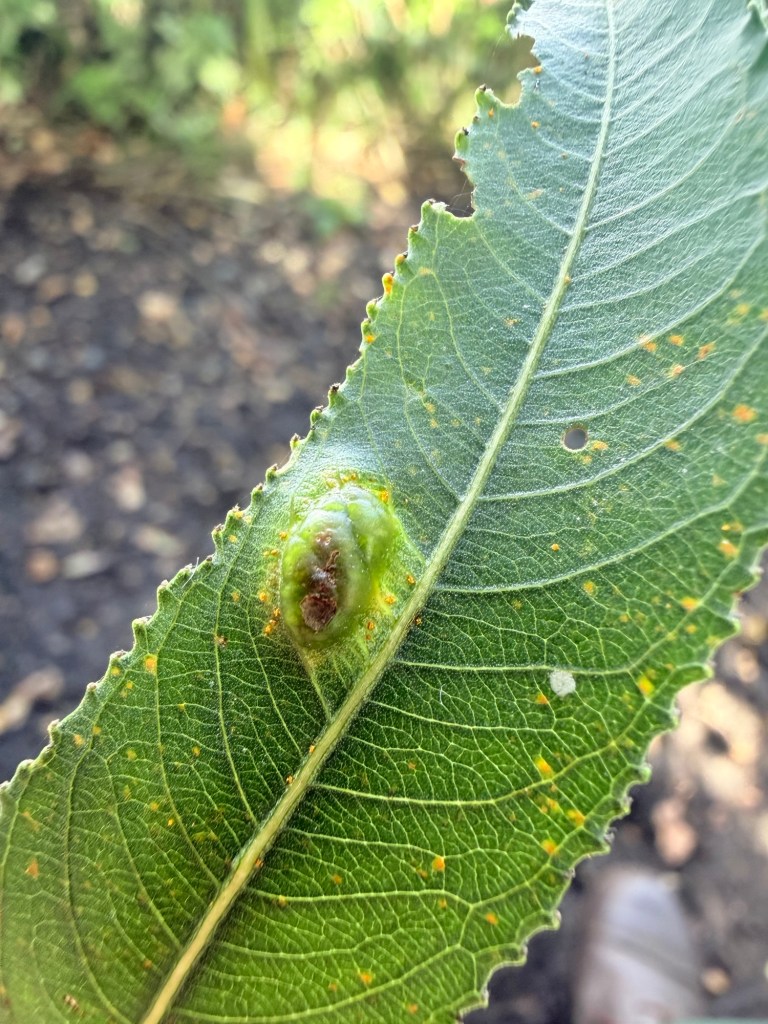
Sawflies lay their eggs in the leaves and the larvae form bean galls.
And the biggest aphid in the world, the giant willow aphid, is really common on willows growing in the marshes.
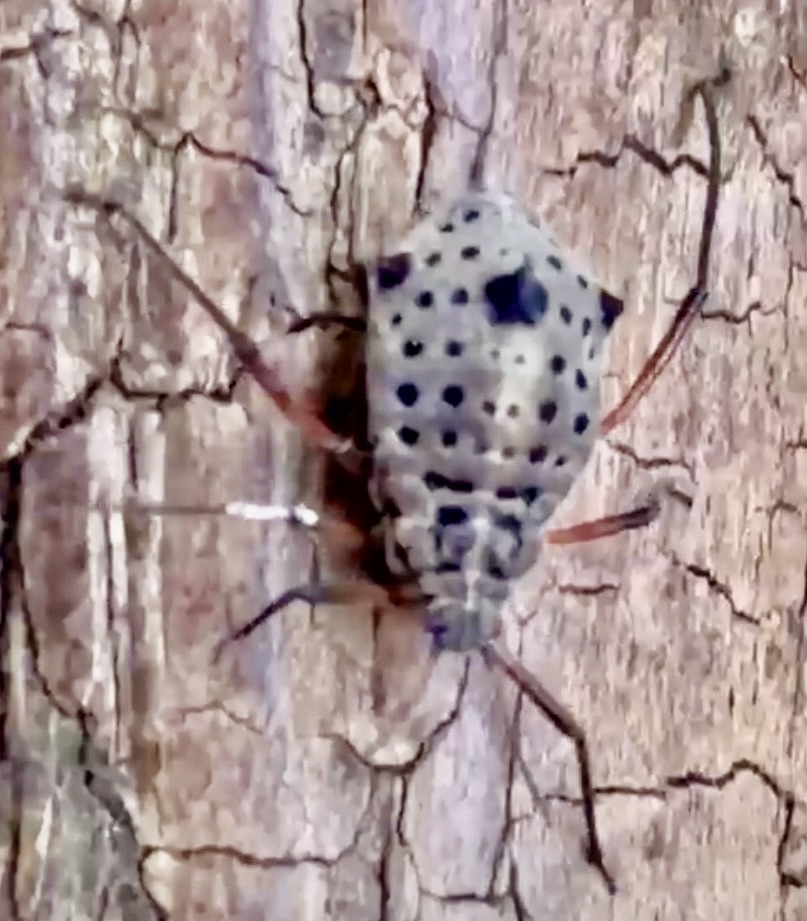
These are all fodder for birds. When you see chiff chaffs flitting about in the trees this is one thing they are looking for. As are most of the small birds that live here, especially as food for the young in the nests.
Whitethroats come here from Africa and can only succeed if there are enough insects to eat.
Cuckoos depend on some of these smaller birds to raise their young, but they themselves need caterpillars, which can be abundant in willow trees.
Nesting birds are at risk. Some birds will rob the nests of others to eat the eggs. Especially Jays.
A defence against predators is to hide the nest away. High in the canopy of an oak tree is a popular spot. Especially in a hole.
Even so there are a lot of hungry jays also looking to eat and feed their young. They get a bad reputation. Despite being magnificent birds their habitat of robbing nests and eating young birds upsets people.
Jays are magnificent for many reasons.
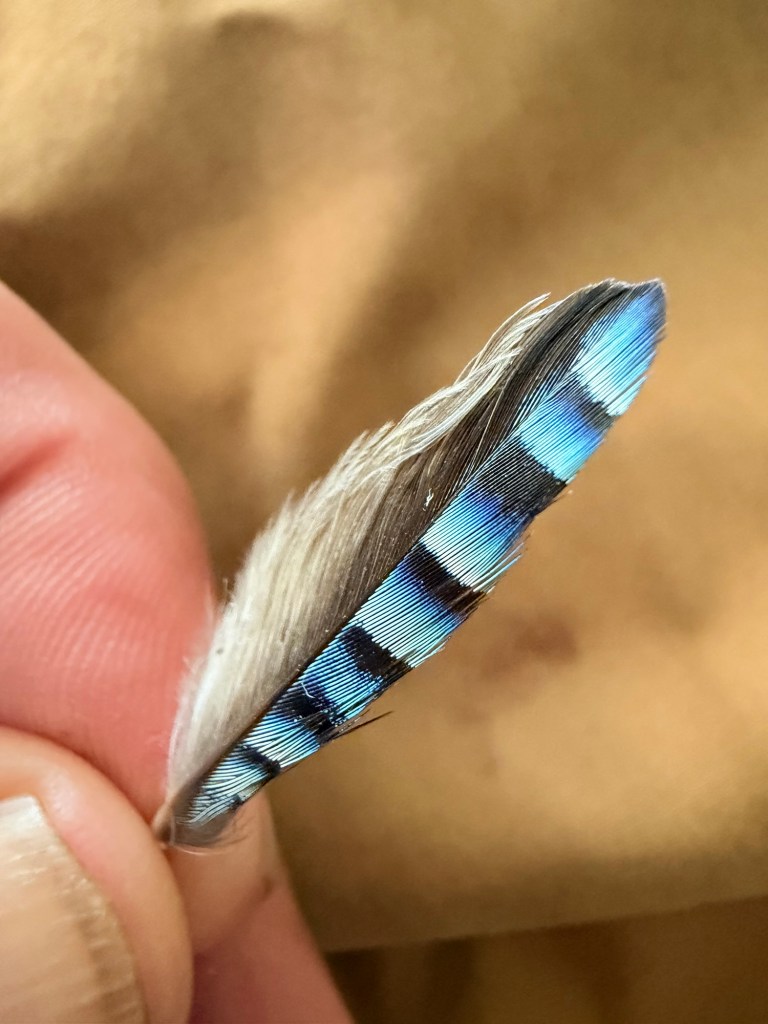
For a start there’s the feathers. I’ve never found a pink one, which is almost surprising. But pink is a weirdly good colour for camouflage.

Soldiers painted their land rovers pink to make them hard to spot.
But the blue feather from a Jay’s wing is easy to find but only if you’re lucky. And observant. A bit like a four leaved clover. Unlike a clover leaf a feather will last a long while. I have a little collection of them at home.
They have brought me a lot of good luck.
But jays don’t only eat birds. They are omnivores and also really clever. In autumn they bury acorns. Not to eat, they are bitter and full of toxins.
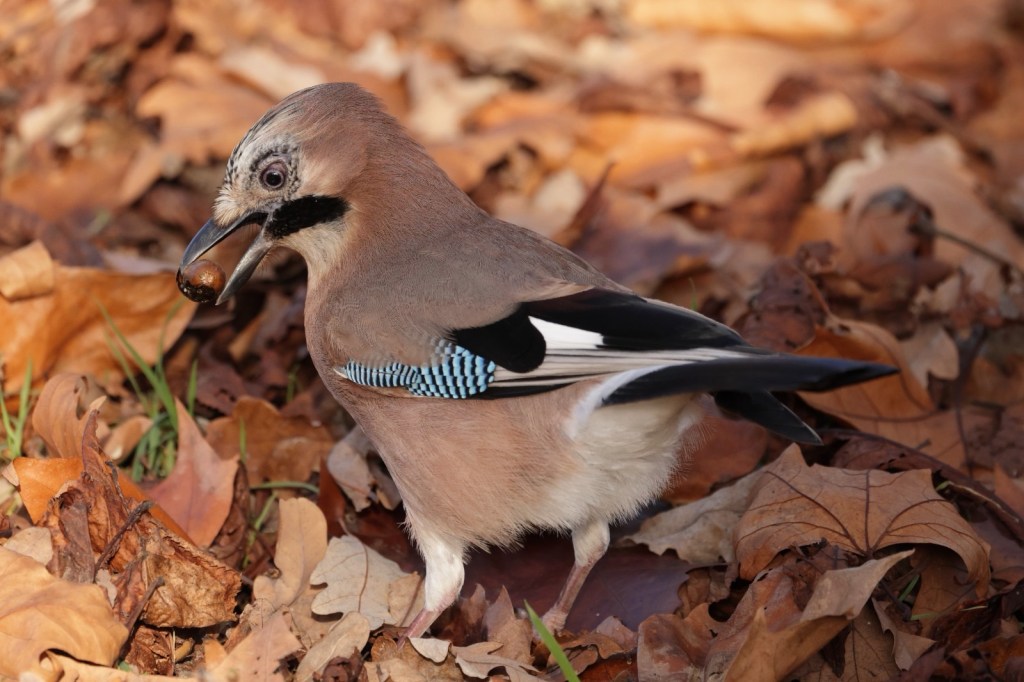
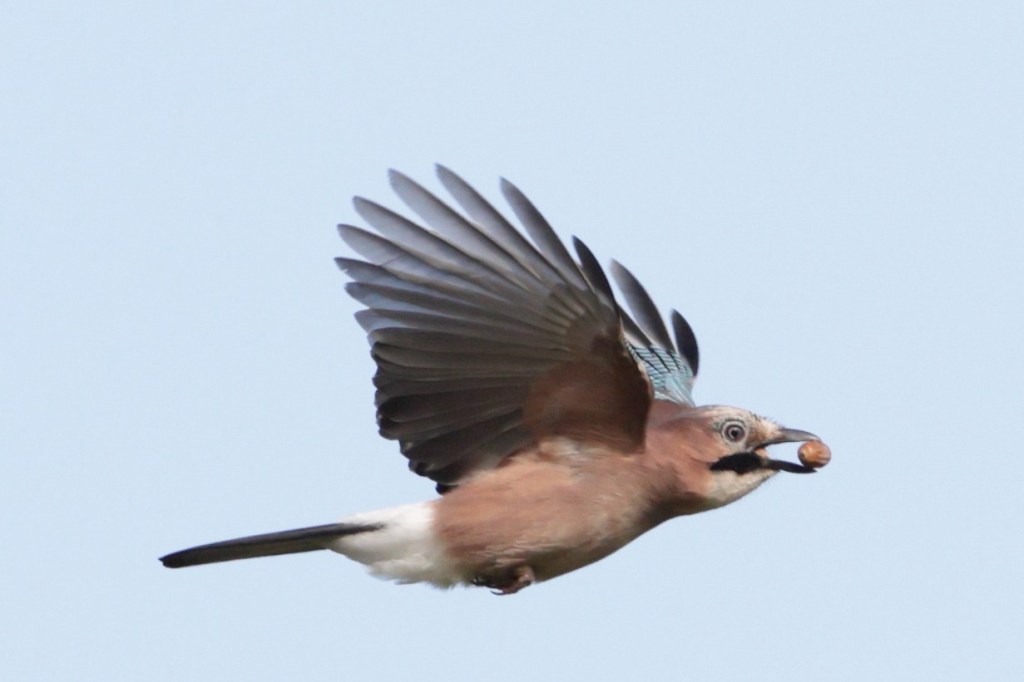
You can often see them flying from the base of an Oak tree with one in its beak
We used to eat acorns and some people still do. The secret to making them palatable is to soak them in water for a few weeks. The water leaches the tannins so after a while they don’t taste so bad, nor will they make you sick.
When the acorn germinates it sends down a tap root into the soil and a shoot upwards. In spring you can find oak seedlings sprouting where they were buried usually a long way from where the acorn fell
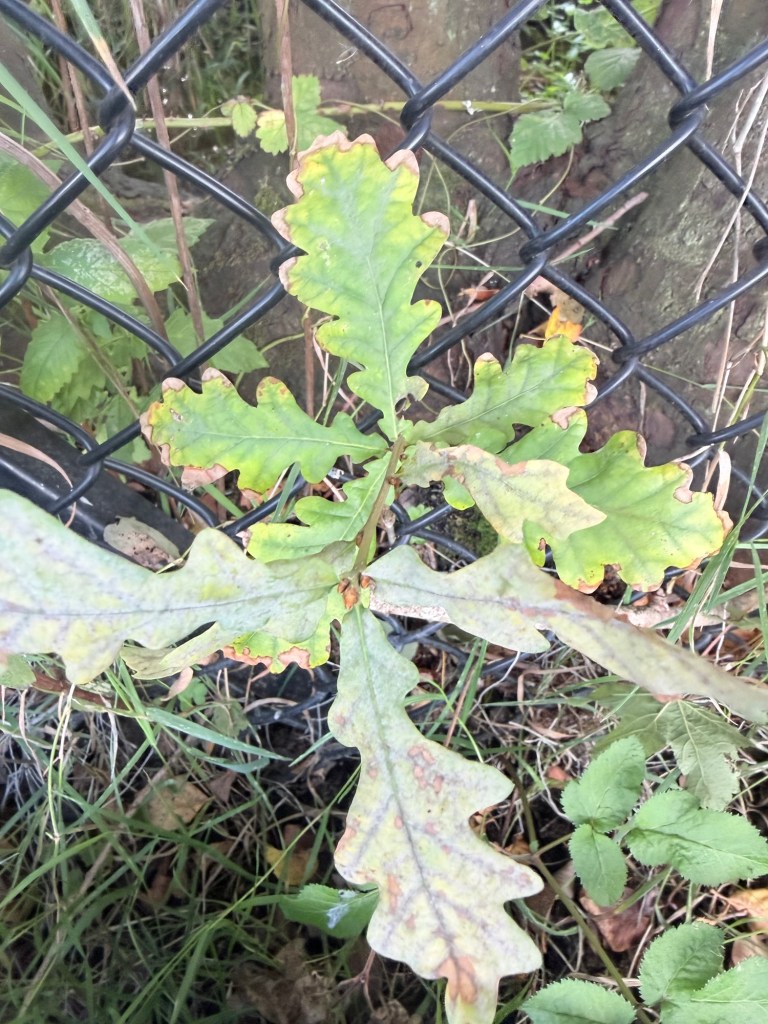
Legend has it that Jays have an amazing memory. I used to believe it. In fact an eminent scholar of the English countryside once told me that Jays have such a good memory that they weren’t very good for the spread of Oak trees as they would find and eat every single one.
Until I asked if Jays were immortal.
I only just found out that jays don’t rely on their memory at all. In spring when the acorn sprouts they search for the seedling poking out of the ground. They know that the acorn is still attached. It has been soaked all winter long and all those bitter and toxic tannins have been washed away. They are now edible. They feed the remains of the acorn to their young.
The little oak doesn’t need them now. Big carbohydrate rich acorns are a gift to repay the bird for planting it in the autumn.
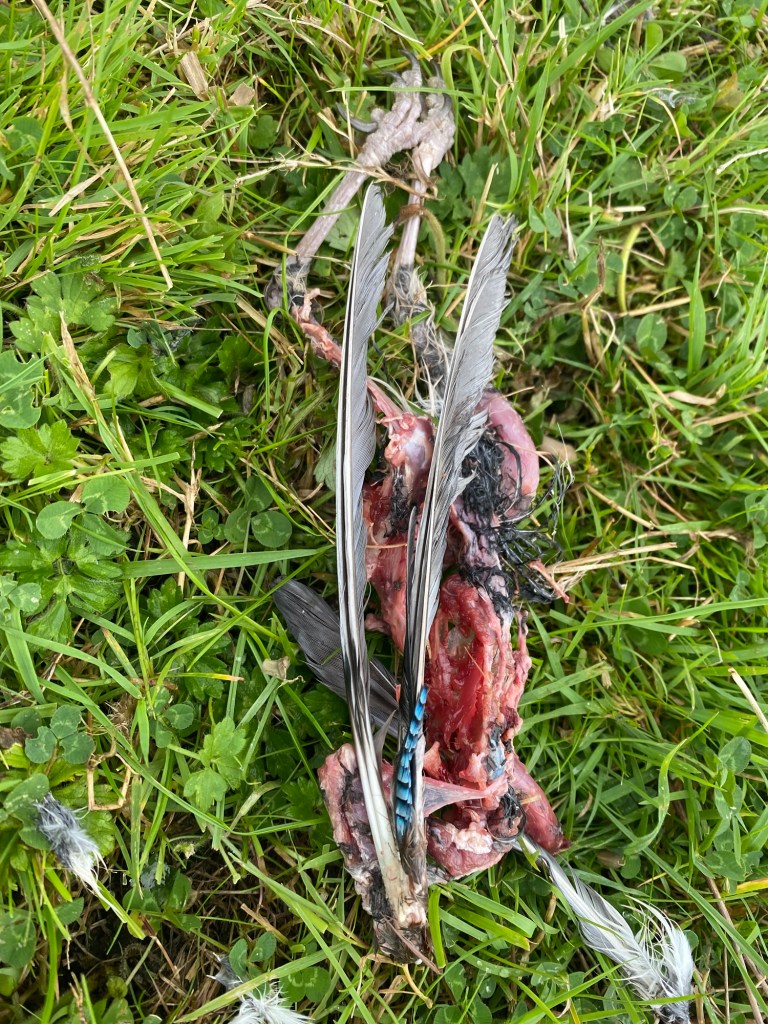
But jays aren’t the top of the food chain. Peregrine falcons catch them. While they’re flying holding an acorn they are slow and predictable. Occasionally you’ll find the remains. The end of the Jay.
So when you stand under a mighty oak remember that it is highly likely that it originated from an acorn planted by a Jay. And the Jay was nourished by eating eggs from a nest and the bird that laid the eggs was nourished by caterpillars and aphids. And they themselves were nourished by the leaves of a willow.
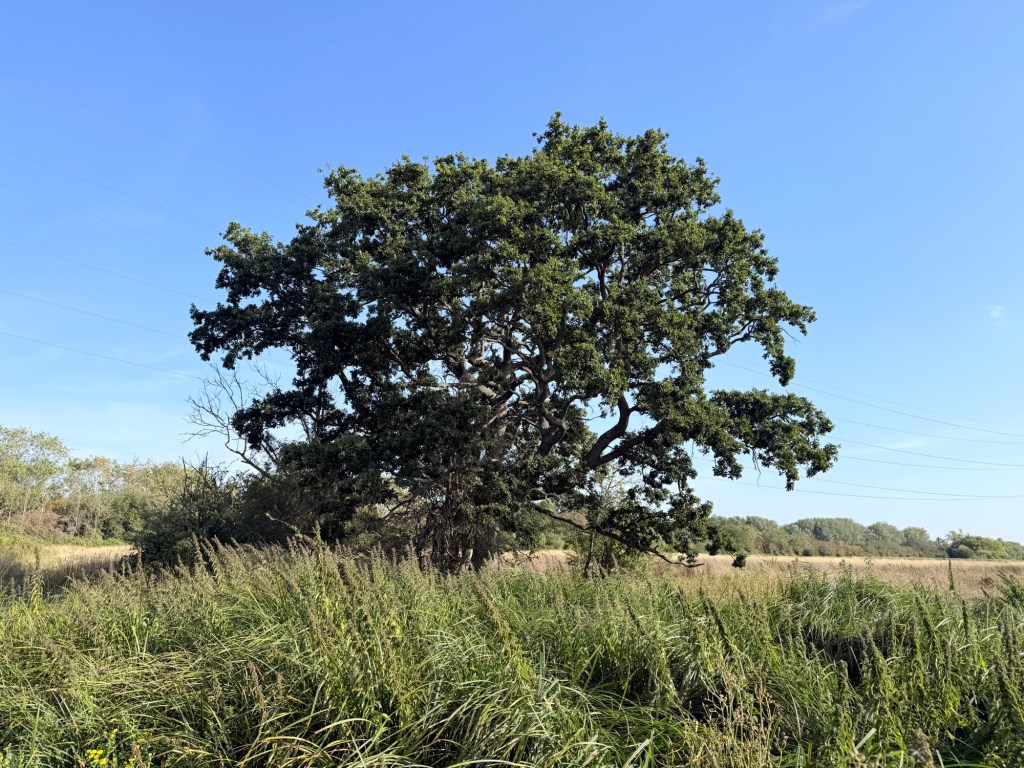
This mighty oak owes its life as does all the life in it to the willows.

