
The weekend started back on the bench after work on Friday. A thousand or so Starlings had been seen murmurating over the marsh so we headed down before sunset to watch them. Just as we arrived they appeared and then vanished. The whole flock headed over our heads and were gone. We guessed wrongly that they’d be back.
While we waited we could hear Snipe croaking as they flew. It was difficult to tell if they were coming or going or both. It was dark and we couldn’t see them. We’d chat and then notice one, stop, listen and hear nothing. Then chat and hear another. There were many of them though. But no starlings.
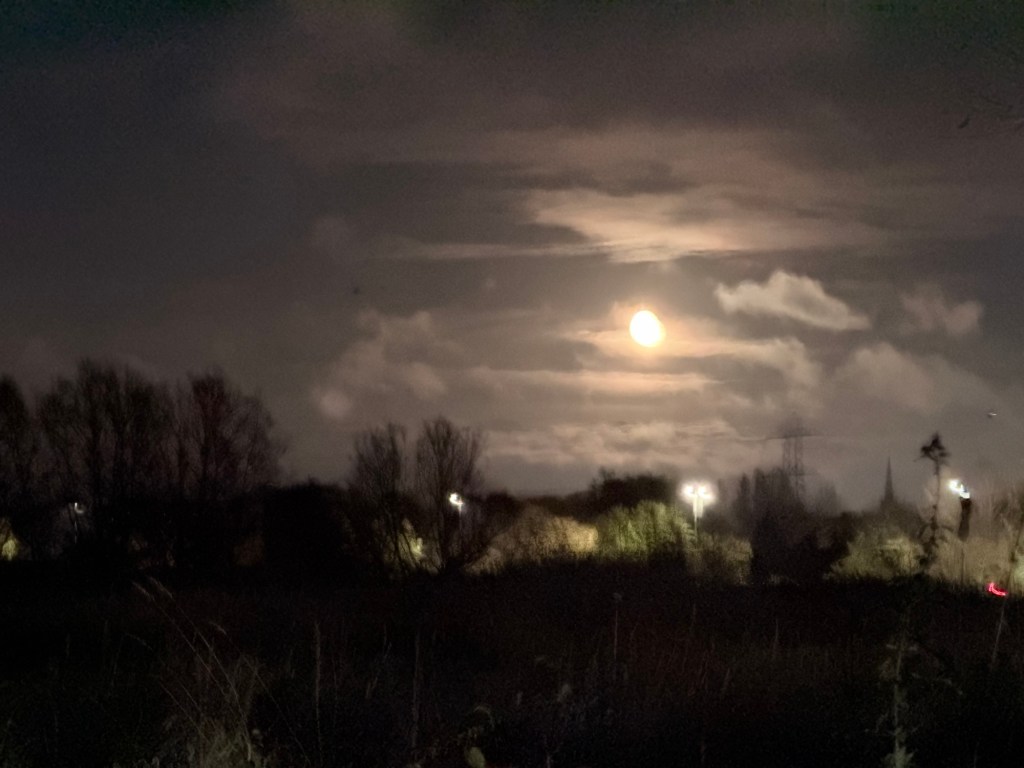
It was nice to watch the moon rise, making us pine for home.
The next day the embarrassingly large pile of rubbish on the railway line got some attention. This hideous mess has been around for years. It’s a huge pile, and nobody wants to deal with it. Well, the Marshians do, and did.

It’s not the last time we’ll tackle that, but it isn’t a very nice job. We’d rather be on the marsh.
And the very next day we were!

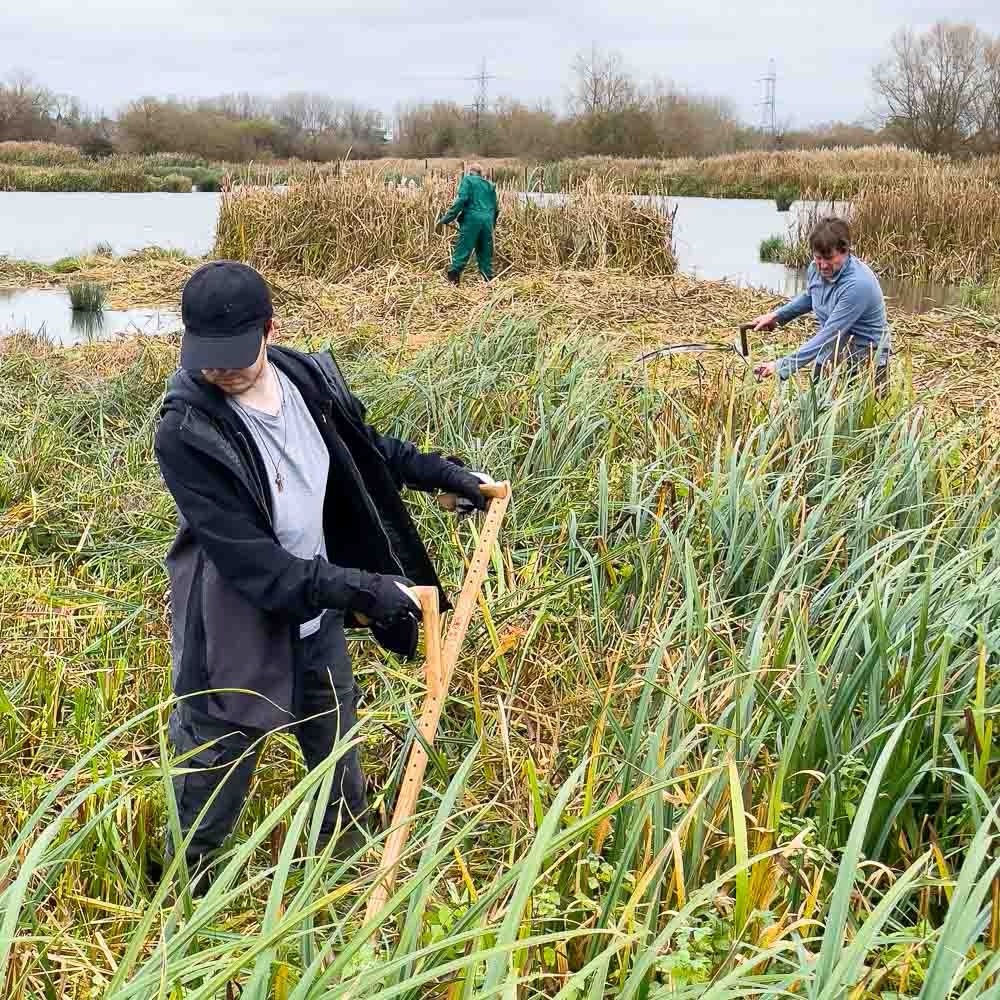
Our plan was to clear a swathe through the marsh in readiness for our Massive Marshian stomp in December.
Our plan for that is to get many more Marshians on the marsh. On the solstice weekend last year there were 60 of us stomping. The impact was incredible. I’d like to see that happen again. Could we get 60? Or could we be hundreds of Marshian stompers? Could you be a Marshian for an hour?
We’ve actually created our very first planned event. Most weekends, actually every weekend, we don’t have a plan. It’s always been ad hoc, we meet up, look at the marsh and make a plan for the next hour. Now we’re making a plan for next month.
https://www.eventbrite.co.uk/e/massive-marshian-stomp-tickets-1966180993279?aff=oddtdtcreator
That’s quite a leap into the unknown. So we need to get busy. And we’re good at being busy.

The Starlings did show up. In true seasonal spirit they were behind us.
But they were incredibly spectacular.
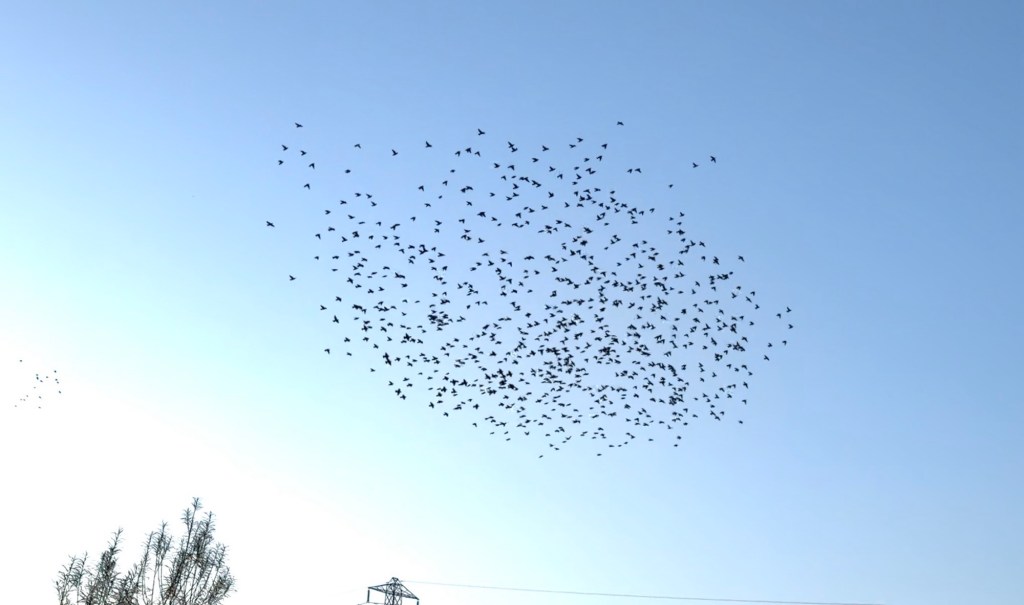
I wonder if we’re attracting them or they’re attracting us. I wonder if they’ll put on a display on the solstice weekend to reward us for stomping.
 Rural Reading