
A Marshian year is twice as long as an Earth year, so Marshians can get a lot more done than Earthlings. Nobody believes we even exist, but look at the evidence.
In midsummer last year the marsh was a very different place.
The cattle had been gone a while. The vegetation flourished once the grazing had stopped. But it was a sad place with so much to offer.
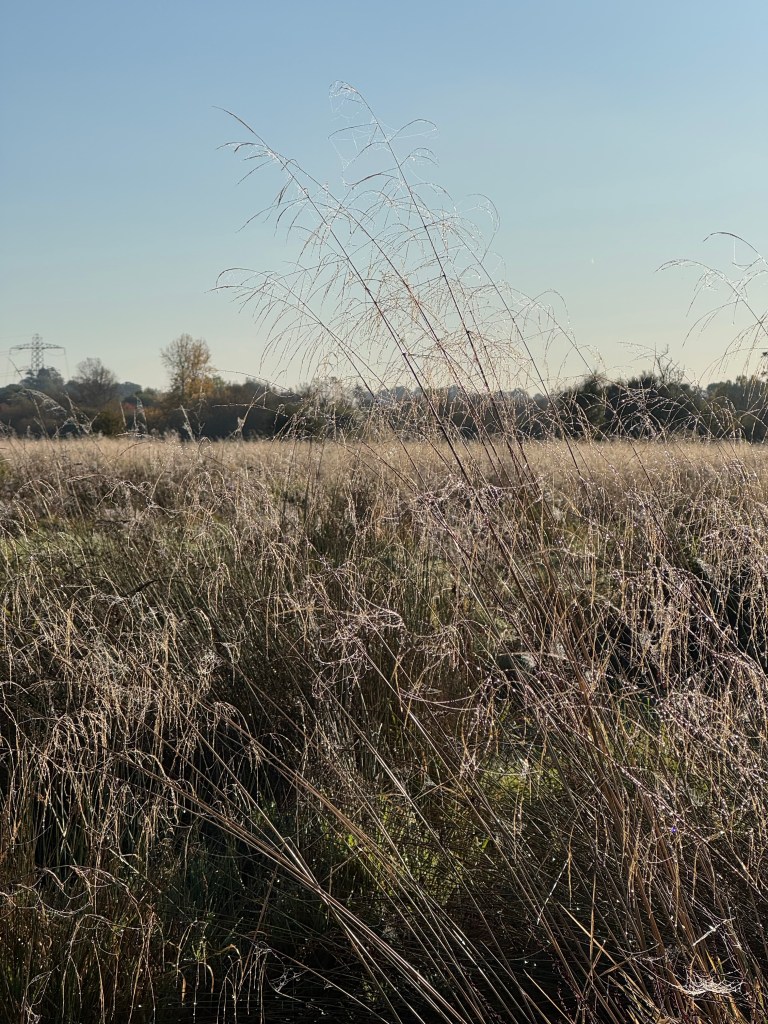
You would have really struggled to get along the paths and you couldn’t see the marsh. You couldn’t get to the canal either as the path through the water works was flooded. Occasionally it was too deep for wellies.

The paths that weren’t flooded became overgrown due to the council failing to keep them clear.
The Fobney wetland talking shop that had existed for a few years with the council and the environment agency and others had stopped talking. Despite the Kennet Meadows wetland project being a council policy, part of the Climate Action plan, there was no action.
After much nagging the council cleared the path alongside the marsh and Thames Water fixed a leak and thus the flooded path to Fobney lock. We could at last get to the marsh. We still couldn’t see much of it though.
In an effort to try and make the marsh visible from the path alongside it the first Marshians appeared and simply trod down the vegetation. This would hopefully make it a better habitat especially for wading birds too, which wouldn’t visit an overgrown marsh.
The landowners and tenant farmers seemed completely uninterested in the land. We had tried to enthuse them but were met with indifference. So we decided to just get on and do it.
We’d been on the marsh before in previous years and tried to do similar without much progress. But stomping worked.
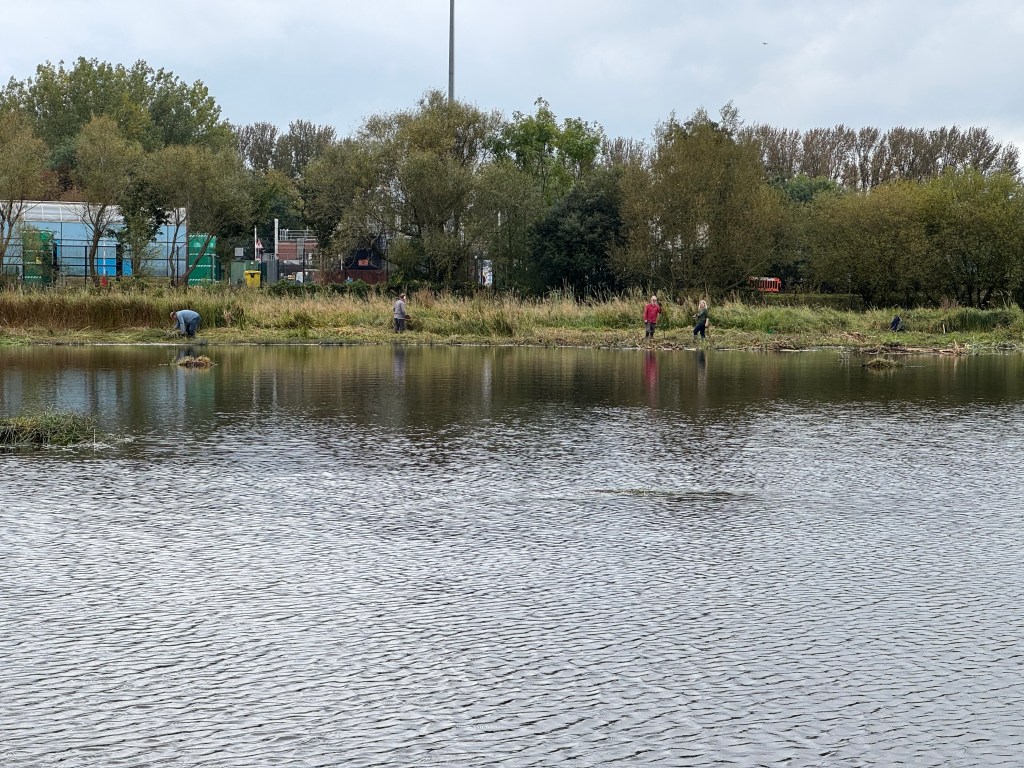
By happy accident an Avocet was attracted to the area we had stomped. This was the first Avocet in 50 years to be seen in Reading. Coincidence or omen?

We went back, more of us and stomped that bit again and a bit more a couple of weeks later. And another Avocet turned up.
Another good Omen.
Almost immediately the MP for the area got up in Parliament and mentioned our marsh. He agreed to meet with local people to discuss their concerns. We sent him an invitation to meet with us too.
We mustered a bigger group. Fifteen of us arrived to stomp the marsh. Sadly, or not, the avocet was still there. So we went and stomped another patch, out of sight of the avocet. As we started a great white bird flew over, watching us, and circled around.
A Great White Egret, the first we’d seen there in a while.
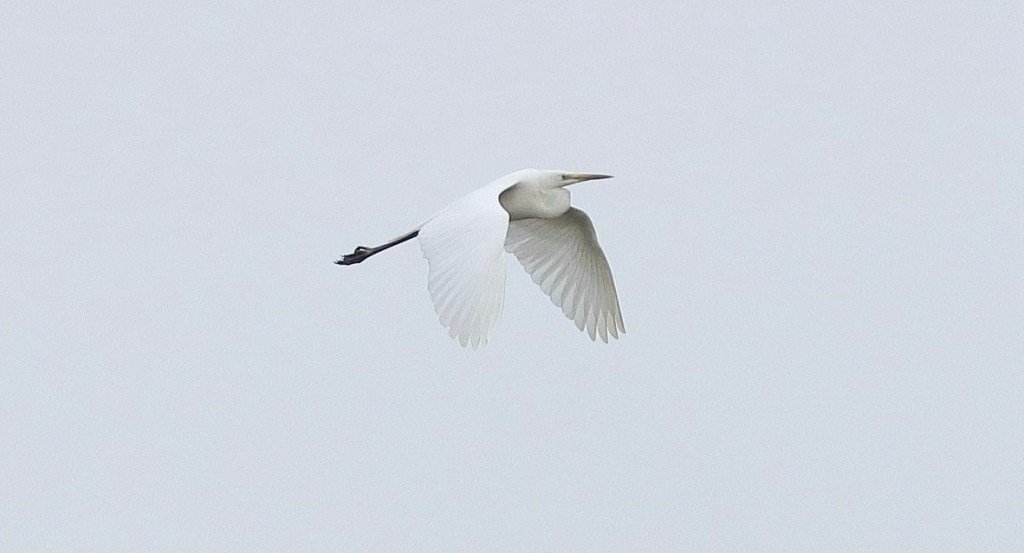
Another omen.
In 90 minutes we had opened up a whole new patch of shallow muddy water. Perfect for wading birds and overwintering ducks.
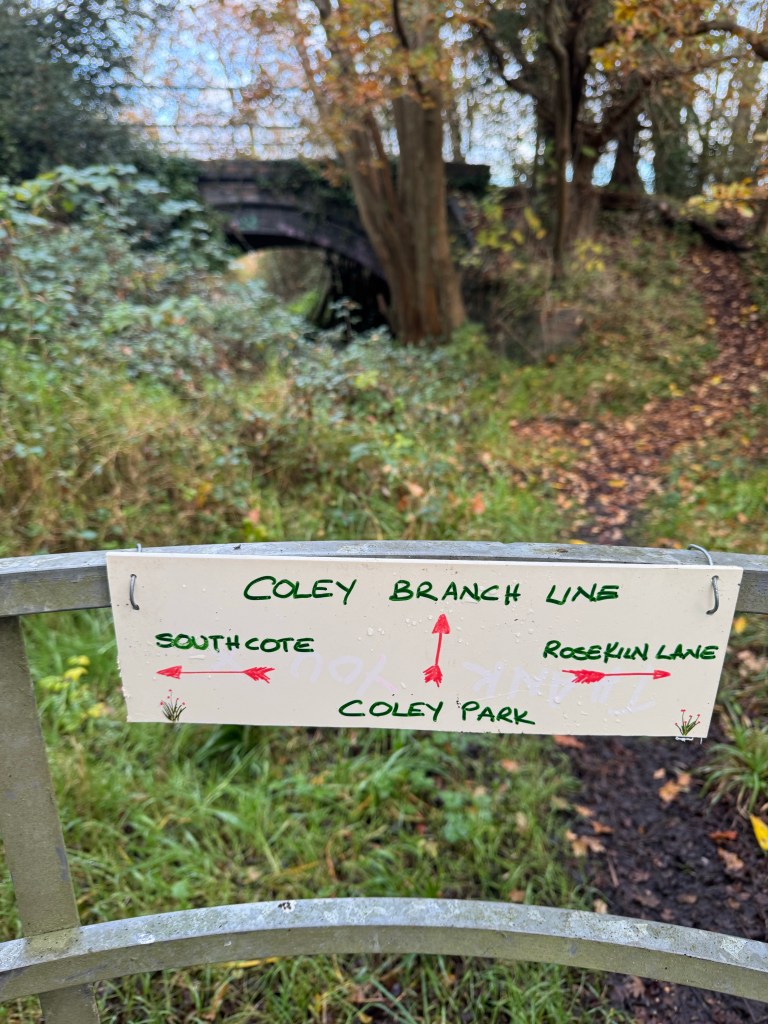
Some bird watchers came from afar to see the Avocet but it had flown away. To save wasting their trip we suggested that they explore the meadows and we gave them directions. An hour later we saw them again and they were impressed by the amazing variety of habitats. They found the directions vital though, so we signposted the route we’d suggested so that anyone could find their way around.
The first big flood came after Storm Bert in late November and by December the water levels on the marsh rose dramatically.
Then some Marshian magic happened. Away from the marsh we went to a Land Access Rights Celidh in The Castle tap,* and there was a brief discussion about our upcoming stomp. Outside the pub the rain fell, storm Darragh raged. The Marshians and Stomping became part of our new vocabulary. Our WhatsApp group grew over night. It more than doubled.
And the marsh flooded again.
*The Castle tap has an uncertain future, find out how to help here: https://thecastletapcic.co.uk
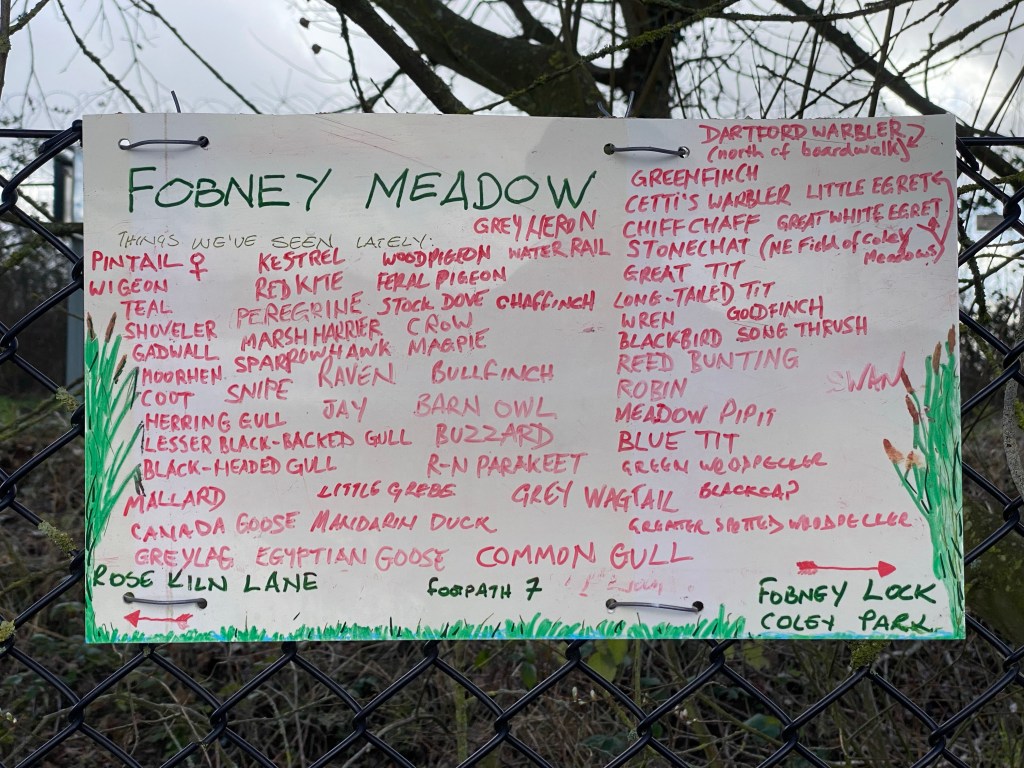
Back on the marsh we made a board to write on, so we could let others know what we had seen.
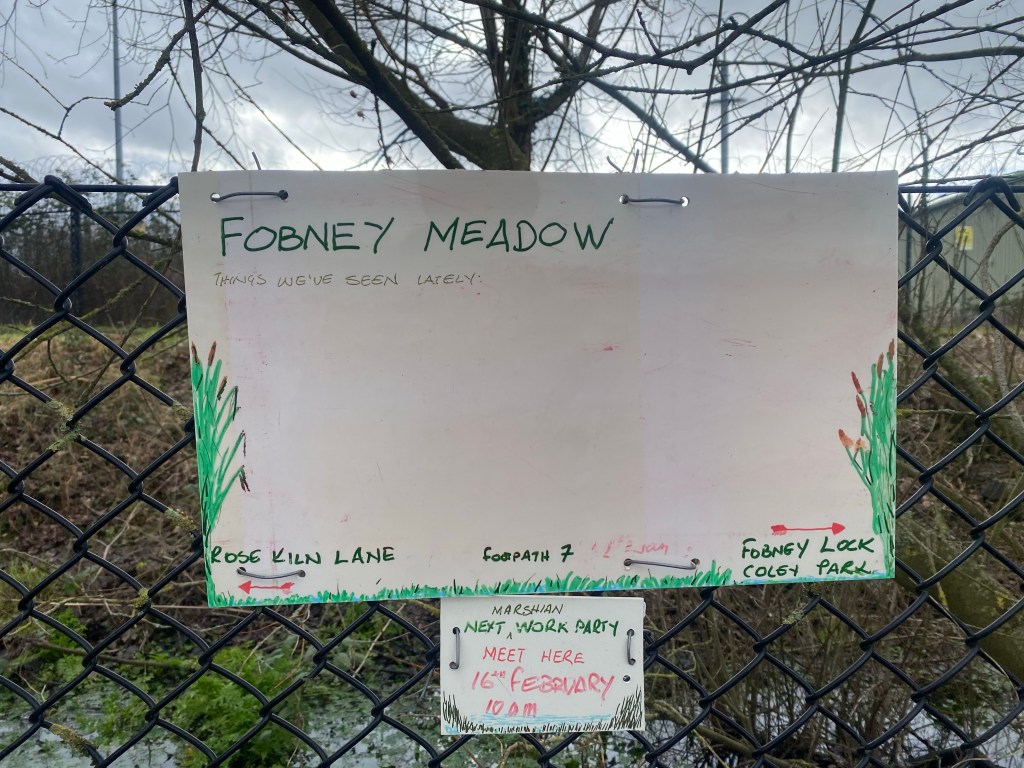
We ran out of space though.
Our MP got up in parliament again because of the rain.
The flooded marsh started to function as a marsh, soaking up gallons of rainwater protecting the town downstream from a tidal wave of water.
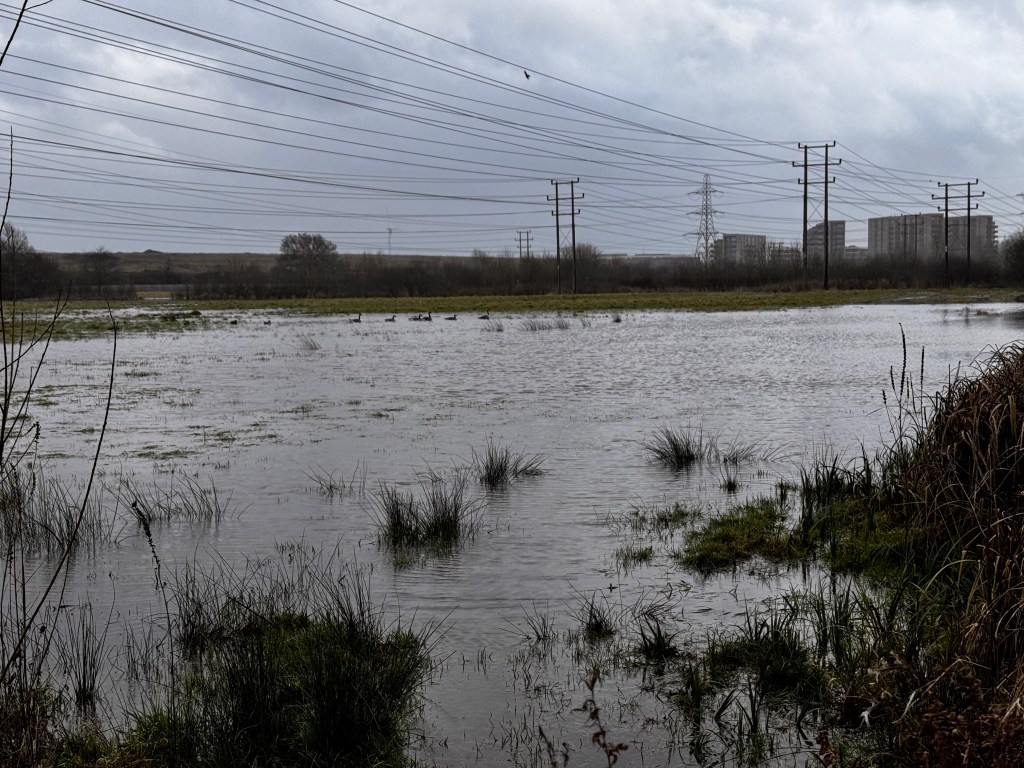
A lot of low lying places where people lived or travelled were flooded too. He talked about the need for flood plains and urged the government to investigate more natural floodplain solutions. Little did he or anyone know what was coming.
We planned another Stomp for the Sunday before Christmas. The MP pledged to visit on the Friday before.
On that weekend just as the first of the winter floods had started to recede we headed on to the marsh.
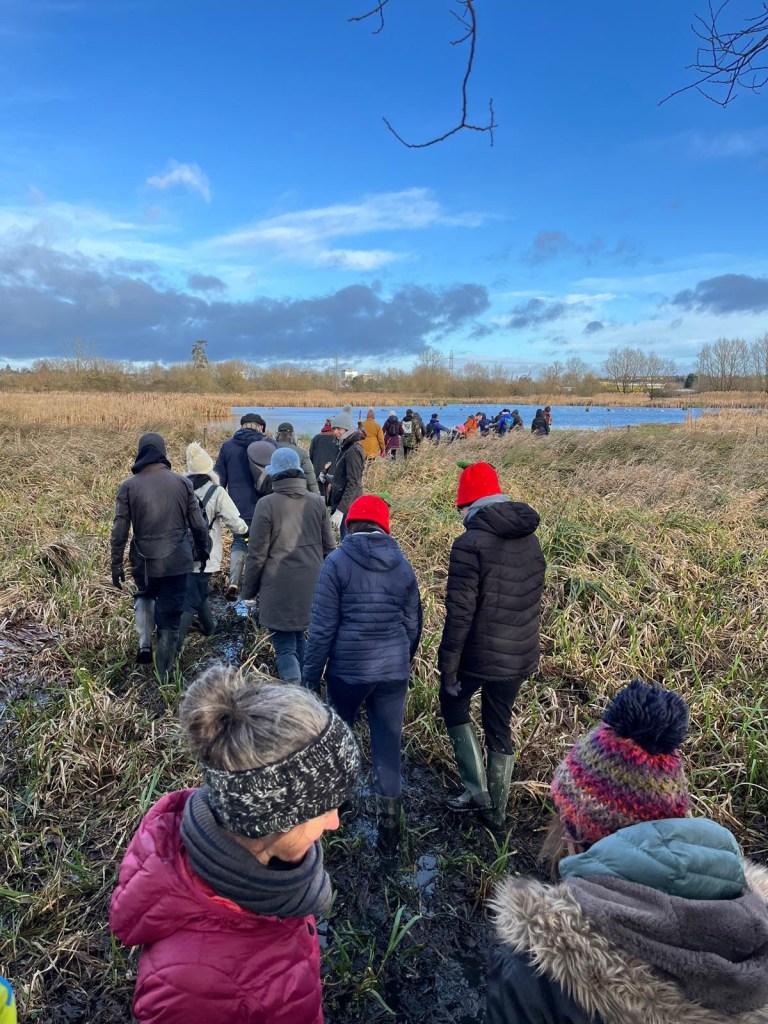
60 Marshians.
We started a movement. Stomping.
At the end of 90 minutes of shuffling around in the mud we had cleared a big area of Marsh. The wintering birds loved it. And we could see them.
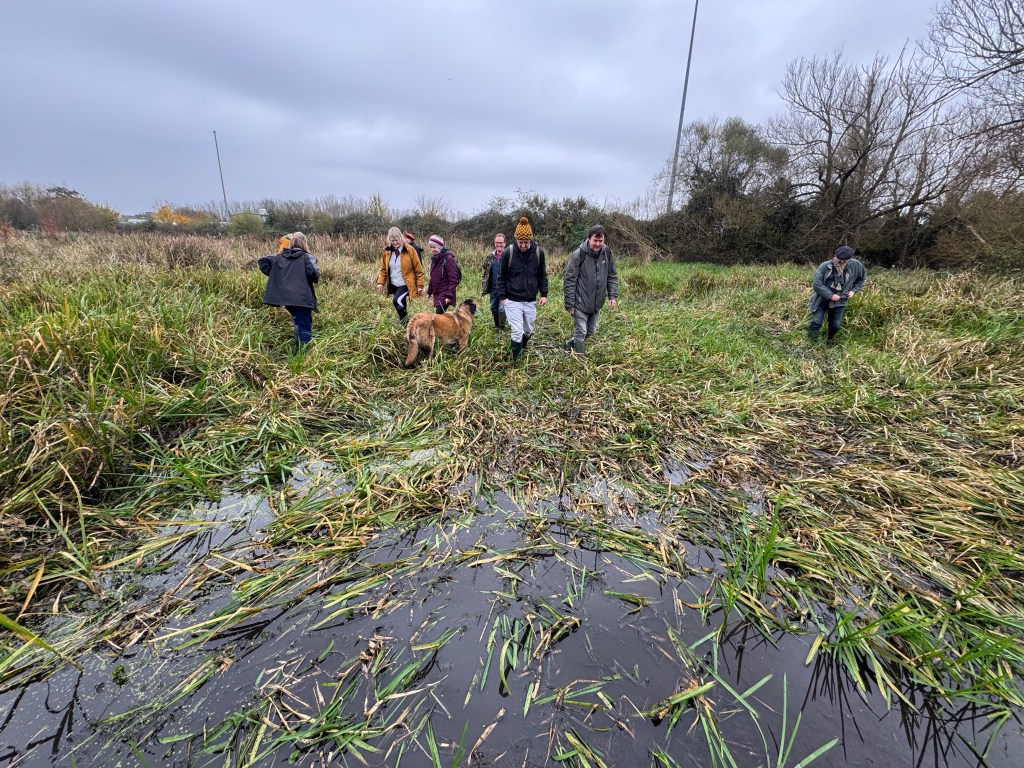
A couple of days later the MP came 3 days late for a visit. He was impressed by the marsh, its potential to store even more floodwater, and the efforts of the Marshians. He made a recording of our marsh and its wildlife for his Christmas greeting. We made a video too, and recorded the MP and one of the local councillors pledging to support us.
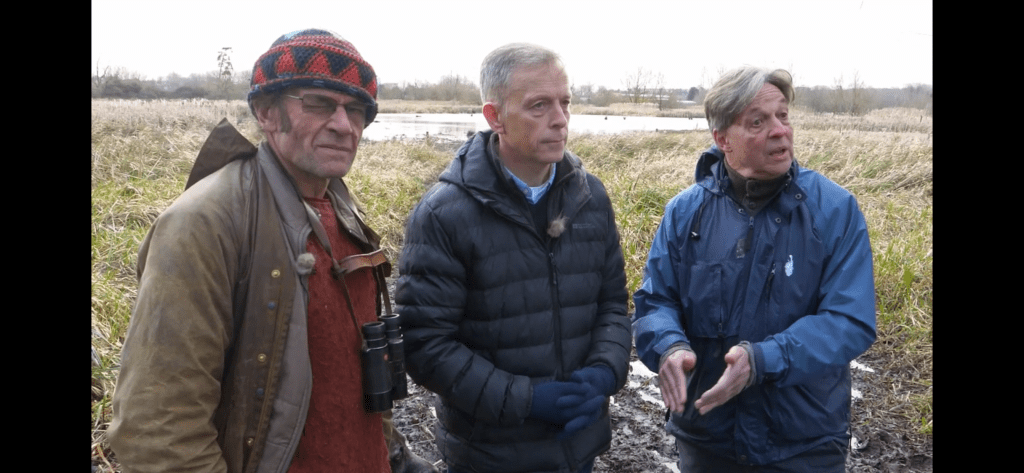
We were now seeing a lot of birds and thinking much harder about the potential to make this wetland something special.
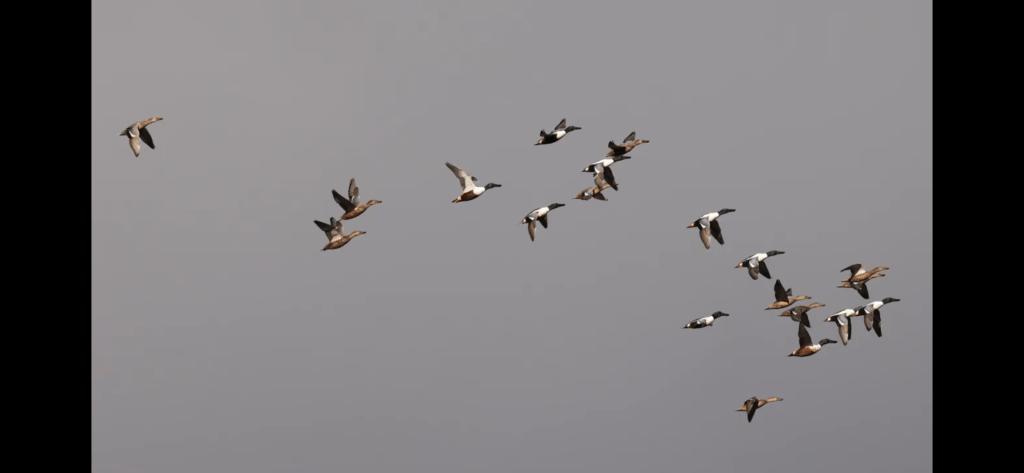
We had been part of unproductive discussions for years, now we’re were actively making change. As it turned out we had created something very powerful indeed.
On Boxing Day a few of us gathered by a bench on the marsh. “The bench” as it’s come to be called was a railway sleeper washed up in the flood, supported in concrete slabs left over from building works in a neighbour’s house.
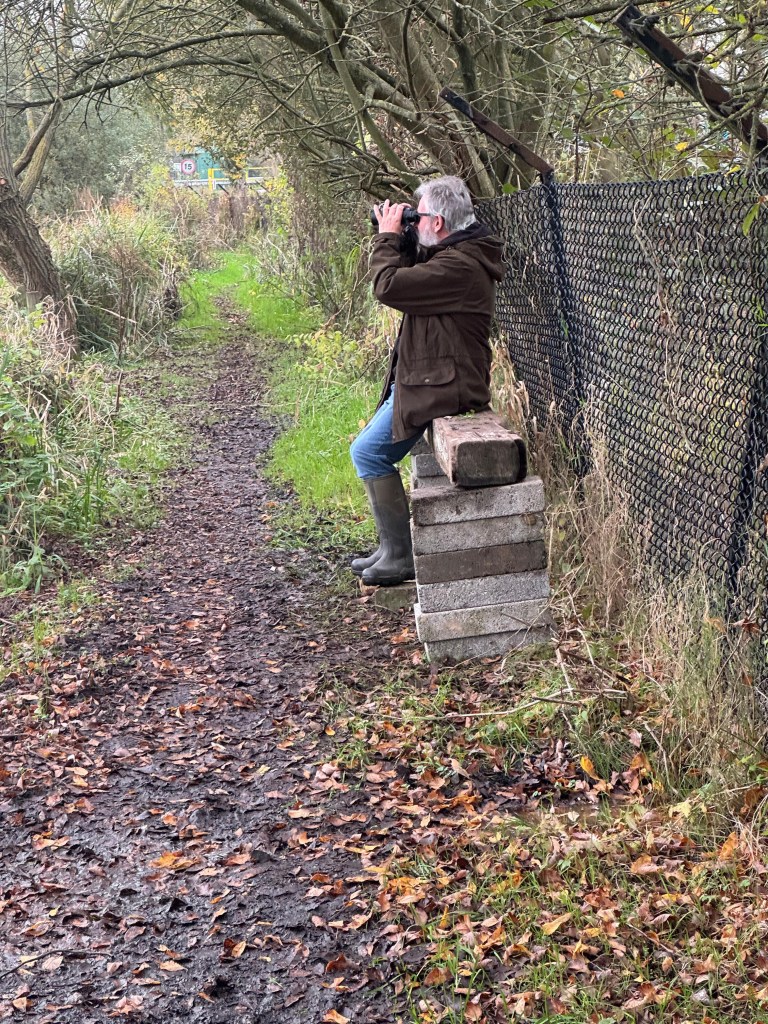
Sitting there watching the ducks come and go was very moving. In previous years I’ve spent Boxing Day trying to disrupt shooting parties.
I still find it hard to believe that people come from miles away to shoot the birds and leave. Birdwatching in peace with new friends who’d come together to enjoy the marsh was quite a momentous event for me.
And so to the New Year 2025, we had a brief wet and cold ramble to welcome in the new year. Very few Marshians knew the full extent of the marsh and the opportunity. We noticed a large murmuration of Starlings so we organised a trip out to watch them the next day.
We stood in the fading light as the Starlings soared overhead for a few minutes and then settled into the reeds.
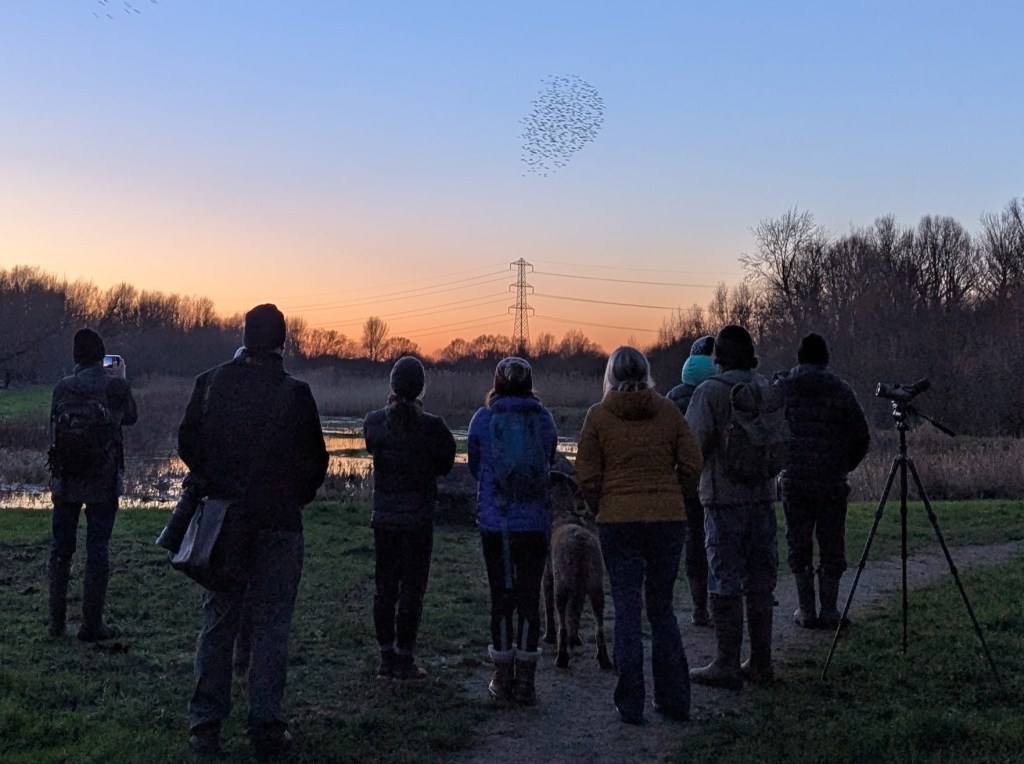
Meanwhile on the marsh intrepid visitors were treated to some spectacular wildlife.

We have in our midst a film maker and sound recordist who used photos and video clips of our actions and edited them into a short film and while most of us were huddled from the storm we had a YouTube channel!
The difference we had made physically combined with the wet windy weather was attracting a lot of birds. The metaphysical changes were attracting a lot of new Marshians.
We went out again in late January. We were lucky as in between the first stomp and this one the marsh had frozen and then flooded. We were blessed with a drop in water levels and a rise in temperature. It was still cold and there was still a lot of water but we had a lot of fun. We also had scythes and folks who knew how to use them. We cut a lot of the vegetation down and stomped that.
We also had a professional film maker with every type of camera including a drone. The images from that showed the extent of our work. And the extent of the marsh.
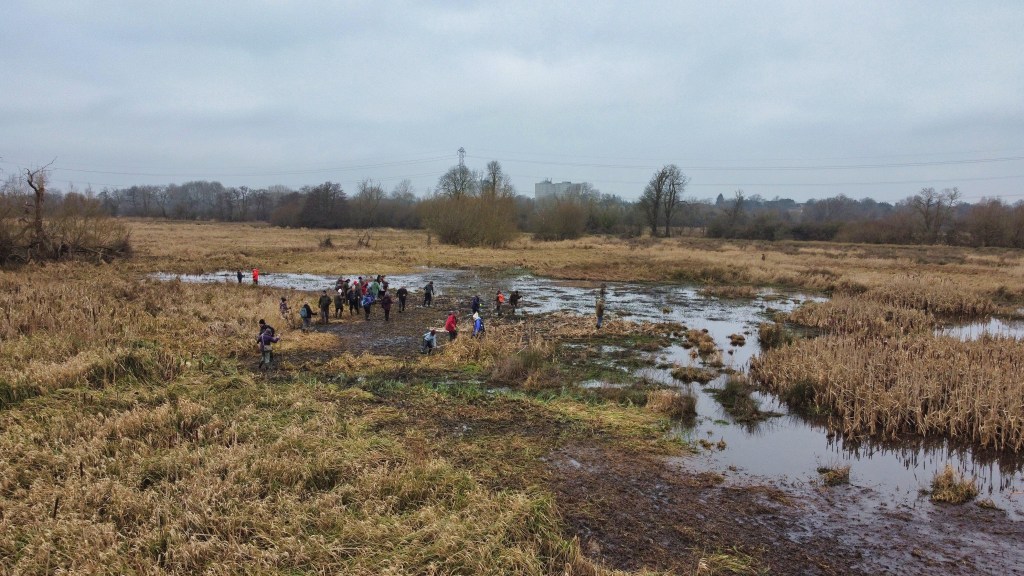
From that we had another video
That stomping was a turning point. We were getting together as a community to look after the land (and the water!)
We were making significant improvements to the biodiversity.
Treading all that vegetation into the water was storing away carbon. Not much, but some, and with the potential to lock away much more. So long as the marsh didn’t dry out.
A week later and it was all underwater again.
Storm Eowyn struck, noted for its ferocious winds and devastation of trees in Ireland. A lot of rain fell too. Flooding intensified and the council was having to react, people were seriously affected.
Itching to keep busy once the storm passed we went to the end of the old railway line and cleared a way through to the road, and removed old tents, piles of rubbish and transformed a neglected corner of the marsh.
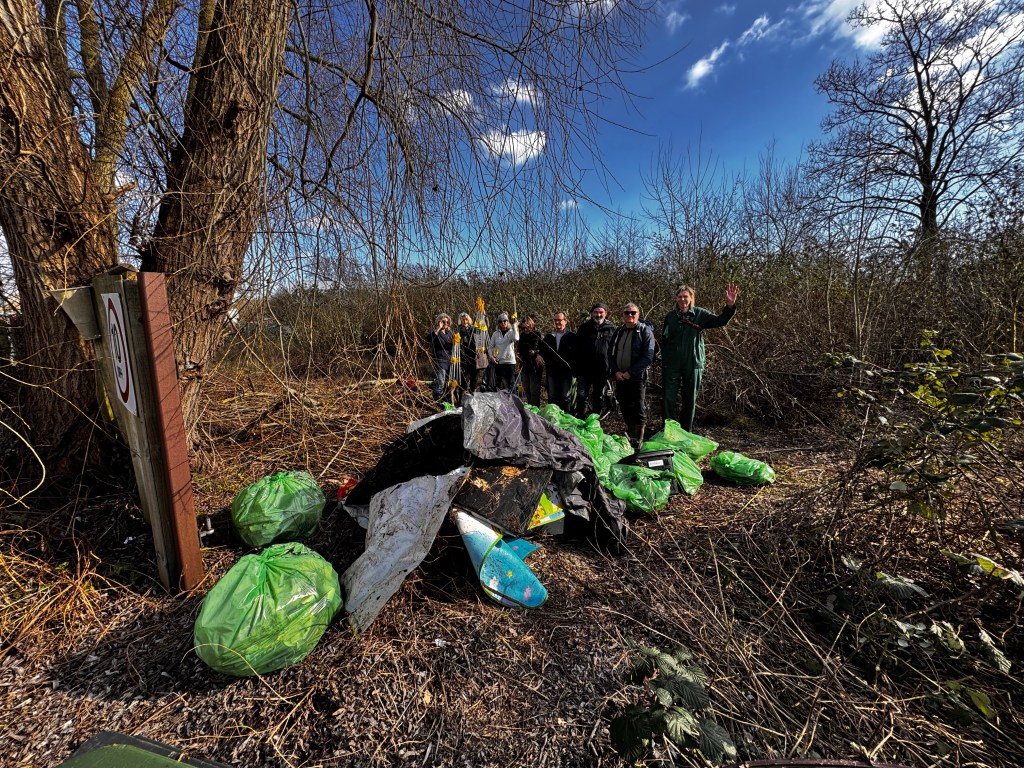
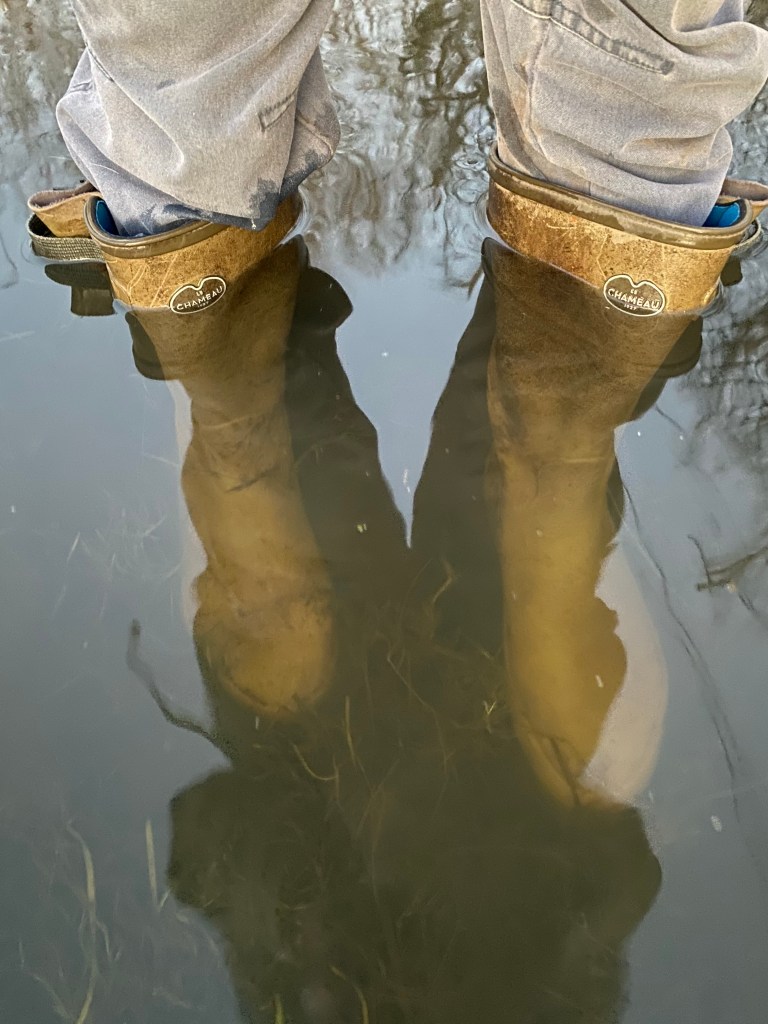
A week later and we were back stomping. Although the flood water had dropped it was still pretty challenging, and lots of wellies filled with water.
We had now stomped a corridor from one end of the marsh to the other.

Then the water rose again, and the birds swarmed in.
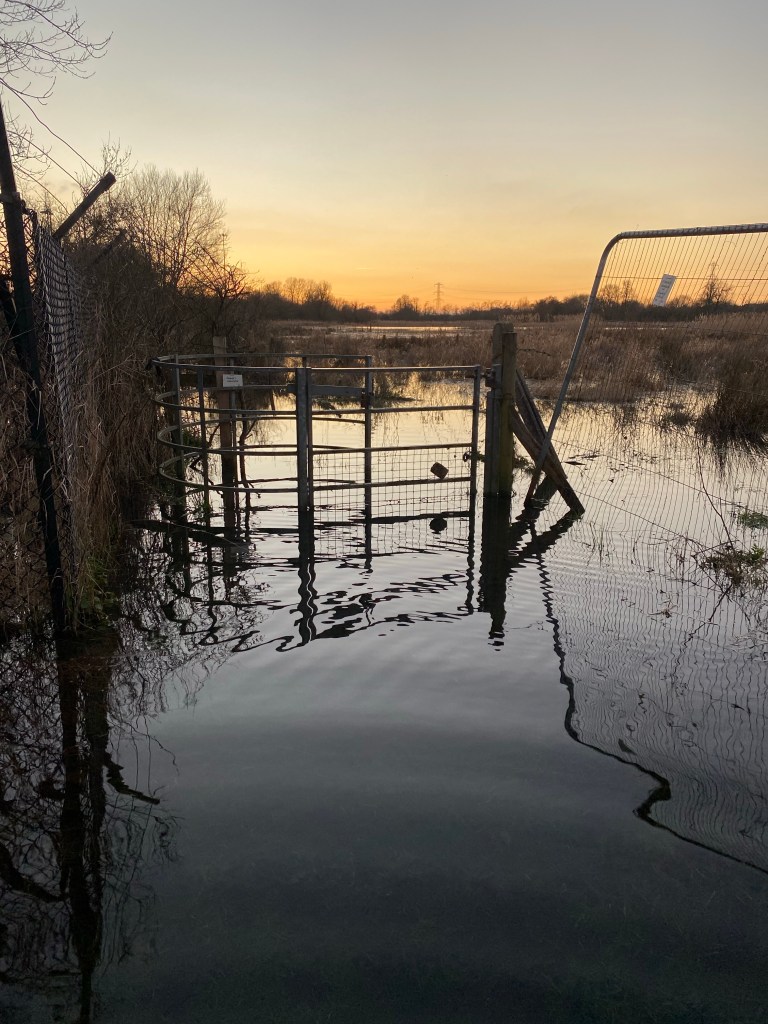
This gave us a perfect opportunity to study the flow of water. A hundred years ago there were drains dug by the farmer to drain the marsh and channel all the water away as fast as possible. Good for cattle grazing, not so good for wildlife, but the cows had gone and the wildlife was coming back.
These ditches were becoming blocked both naturally and surreptitiously. Ideally the flow of water out of the marsh would slow, keeping the last vestiges of the winter floods for frogs to spawn and ducklings to paddle about in. Where and how could we hold some of it back? We’ve learnt pretty much exactly what’s required, and what we can do.
We just had to wait till the water started to drain away.
Before it did a small posse of us armed with litter pickers and bags met up at the Holy brook nook where we had use of a tool store, and walked along the hidden corridor following the Holy Brook out of town towards the marsh. We hacked our way through and dragged out bags of rubbish. We now had a route between the town centre and the marsh that for the most part followed the Holy Brook, hidden away in the urban landscape.
It was a lovely sunny day and the first Comma flitted about the brambles. It landed on a Marshian’s hat. Moments later a doorbell thanked us for litter picking. The speaker wasn’t at home, she had seen us on her phone via the camera on the door.
Two good omens in one day!
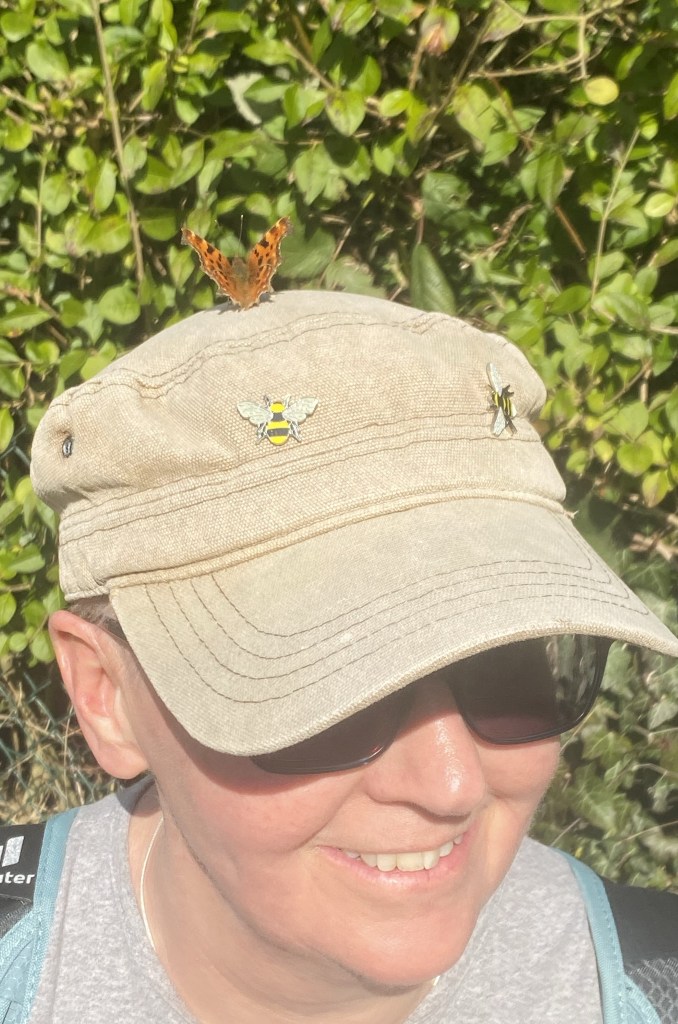
A couple of weeks later and we decided to go for a ramble in the sunshine. Although the marshes were under water, we navigated a route through it and around it using high ground. It was a wonderful day out, starting and ending along the lovely path we’d cleared from town.
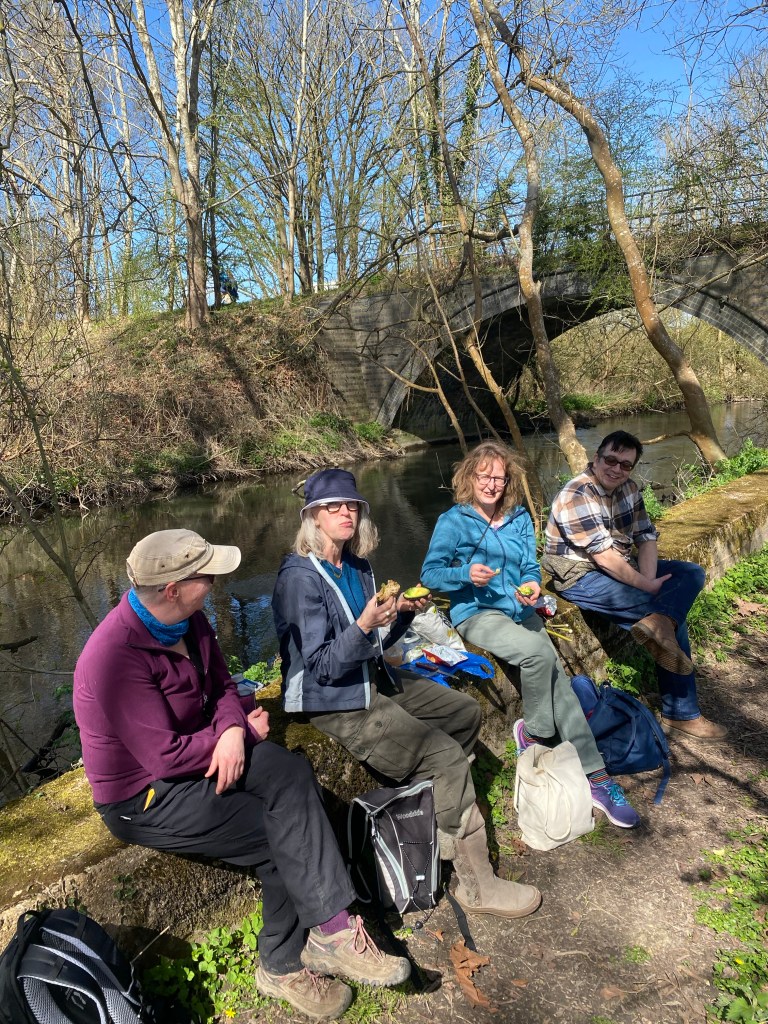
This land isn’t really ours. It belongs to earthlings but you sense that the earthlings wouldn’t understand.
We asked the landowners if we could discuss taking it on more formally. Perhaps if we were tenants we could get funding and go to meetings dressed smartly. We still haven’t had a reply, but we’re quite happy being subversive, anarchic and we don’t need to write plans or spend money. So far we’ve only needed £1:25 to buy a pen to write on the board.
Reading borough council mentioned us in one of their “Strategic Environment Planning and Transport committee. They had a report on the flooding impact on Reading. They had to respond to the danger caused by the rising waters and the future likelihood of even more severe floods, but they also considered us, our plans, and at our suggestion, Beavers!
Lots of encouraging words but months later no action.
You can view the meeting here https://democracy.reading.gov.uk/ieListDocuments.aspx?CId=139&MId=5529&Ver=4
A Green Party councillor (a Marshian!) mentioned us, and the wetland, it’s at 21 minutes in.
The officer responsible who answered her points said he knew all about us and would be engaging with us. That’s at 39 minutes in.
So far……
And there is no mention of Marshians or Beavers in the minutes!
We were now entering the bird nesting season. All of a sudden Mallards were courting. Lapwings were displaying. We decided against a stomp, but hatched other plans. We really didn’t want to disturb the nesting birds.

You could only walk along three sides of the marsh. The fourth side was the pavement alongside the dual carriageway. Noisy and unpleasant.
What if we could make away across the marsh by a new route? One which made a circular walk all the way around the marsh?
Our March Marshian stomp was a long thin one, carving out a route that had never existed before, which once complete would make it possible to walk all the way around the marsh without leaving it. As we gathered a marsh harrier appeared. A very rare bird for this part of the world. We all got great views of it as it hunted over the area we’d stomped previously.

In addition to carving out a new route we planted willow cuttings to create a line of willows to help screen the road and shelter our new path. Hundreds of them!
We were joined by devotees of https://srisathyasai.org.uk/service-wing/envirocare/Who had pledged to plant 10 million trees worldwide. It was a privilege to have them join us.

We mulched the new trees with cardboard which has proved surprisingly successful!
The main footpath across the marsh, from the Holy brook to Fobney, a popular and vital link between Coley and South Reading was in a dreadful state. The council put some money forward to fix it. Nothing’s happened yet, but they’re earthlings and move very very slowly. And they turn up in trainers when the mud is welly deep.

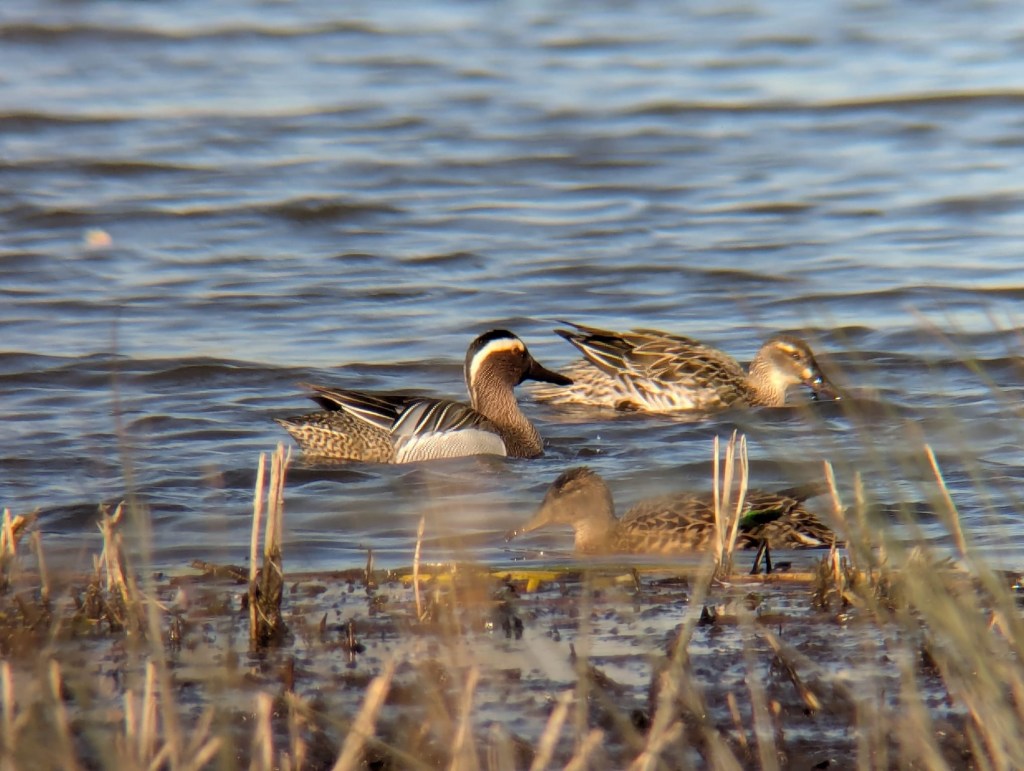
The bird migration got going. The marsh attracted lots of birds on their travels including a few rare ones. A pair of Garganey spent a day there, attracting quite a few bird watchers, most of whom hadn’t visited in a while. They were amazed at the work we’d done.
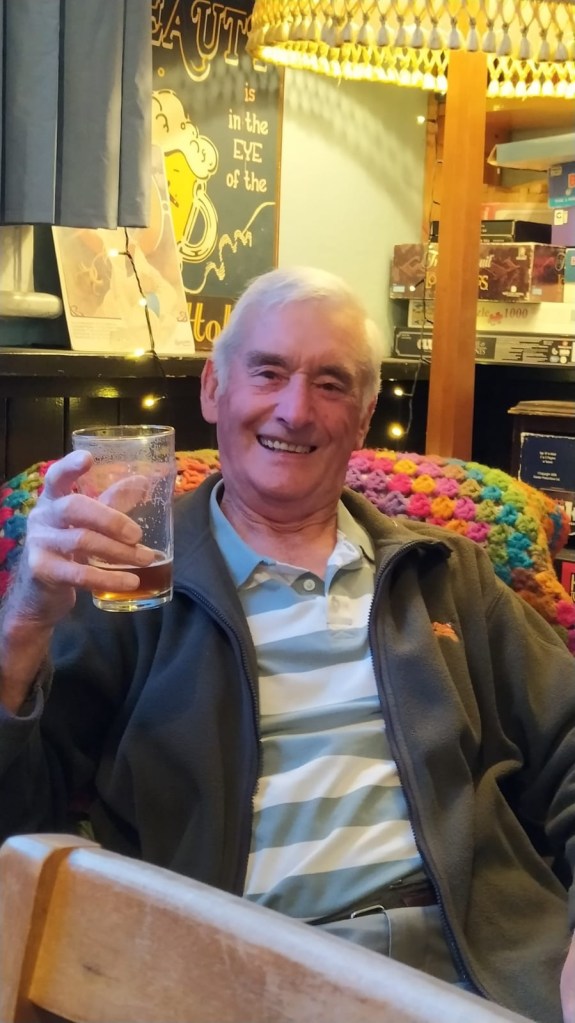
By now we were gathering pace. We started to meet socially, and great plans were made.
We also kept popping down to the marsh to plant more willow cuttings. A bundle of willow stems would appear in the morning and get stacked up by the bench. By the afternoon they had all been planted. This went on through April too.
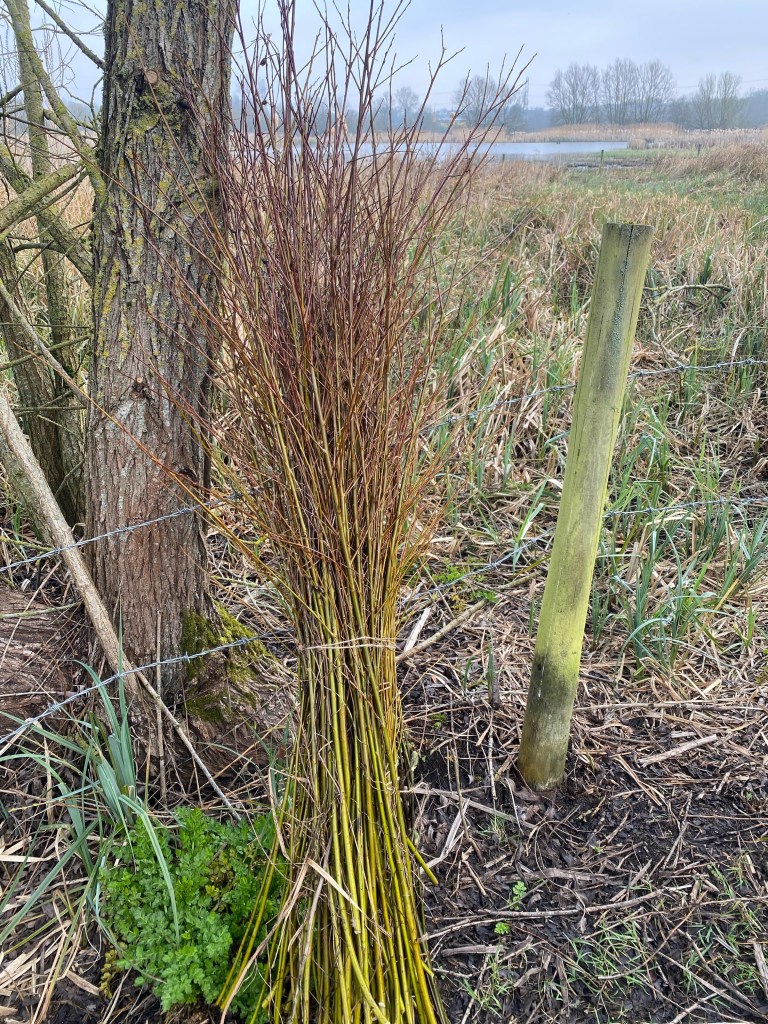
But we were alarmed at the rate the marsh was drying out. That precious water that had brought so much life to the marsh was flowing away, the paths that needed wellies at the beginning of the month were now passable in trainers. This was a chance to mobilise, and put to use some of the knowledge we gained through the floods, and hold back some of that water.
We built a dam.
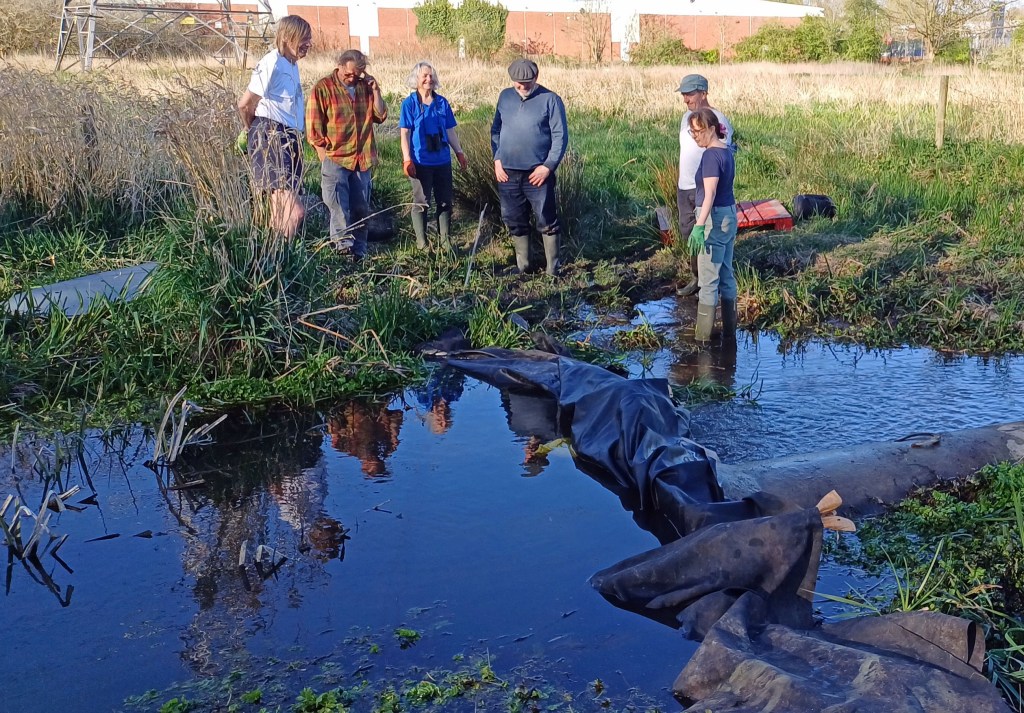
We used an old pond liner and sandbags in the shallow part of the bigger ditch. After a hilarious afternoon we had slowed the flow of water significantly.
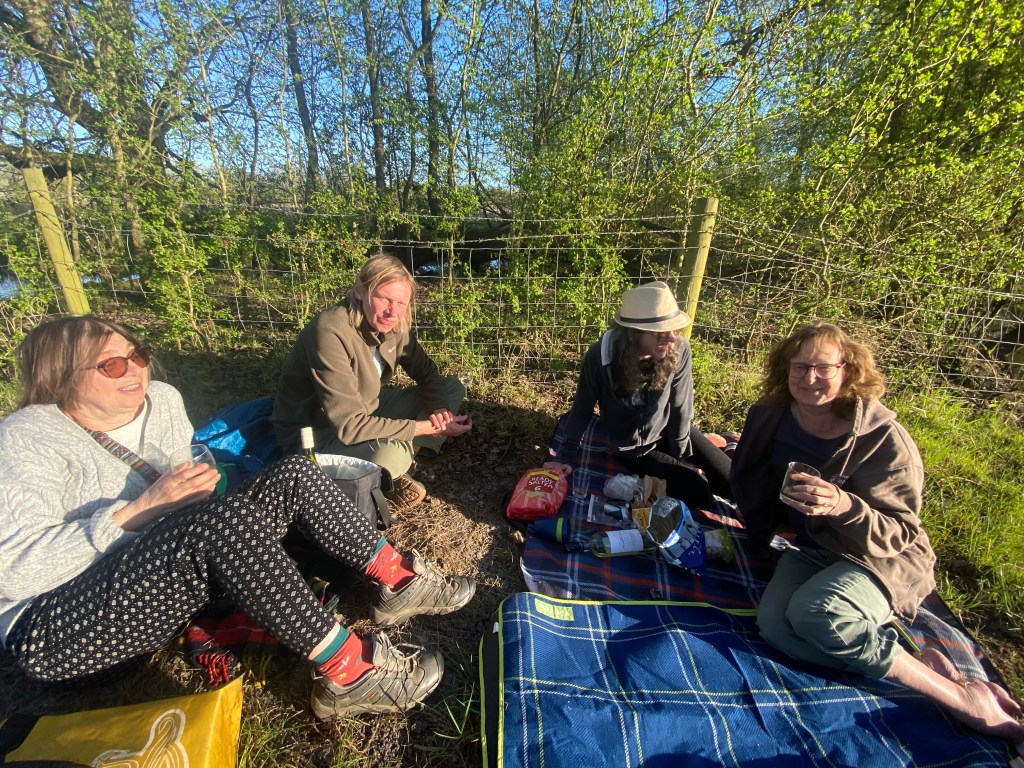
We discovered in this rarely visited spot a raised bank under old trees, and went back with blankets and snacks and christened Prosecco point.
In April Berkshire‘s first Sedge Warbler of the year surprised us singing from the bushes not far from the bench. Whitethroats followed, all the way from Africa to set up home in the marsh for the summer.
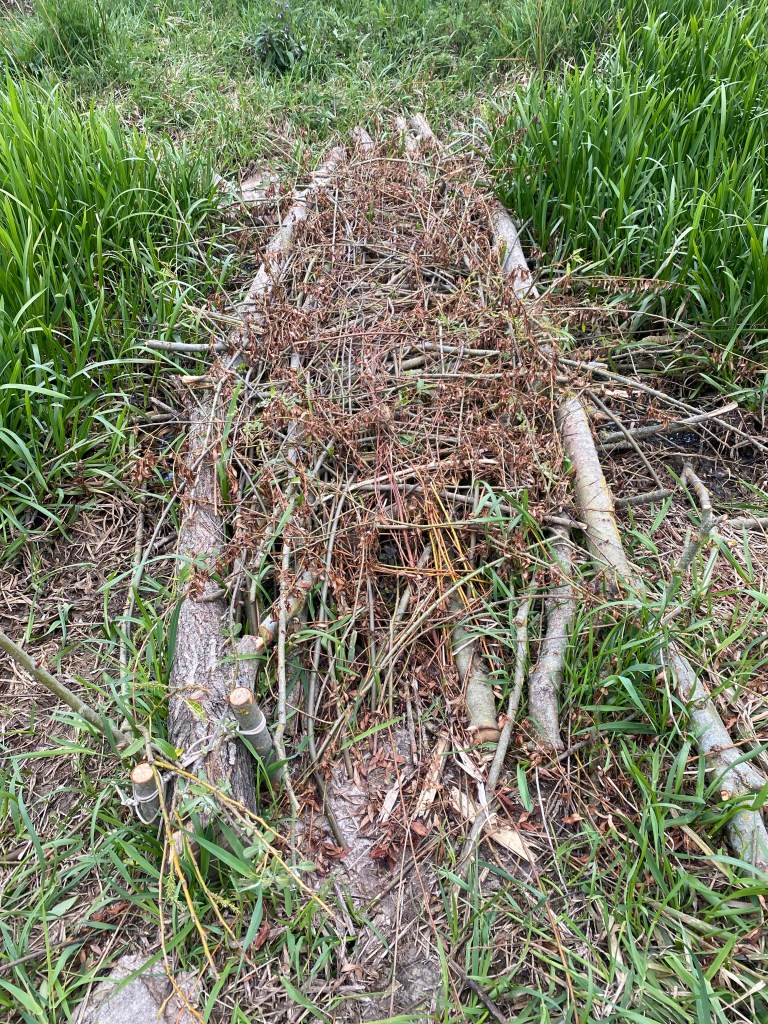
A couple of weeks later we built watermint bridge. 20 of us followed the path we’d made to the ditch which was as far as we could go in March. We had some string a pocket knife and a folding saw. An hour later willow branches spanned the ditch and willow twigs spanned the branches. It was strong enough for the young and smaller Marshians to cross. They vanished into the marsh that hadn’t been explored for years. The old and bigger marshians had to spend another hour making it strong enough to go across and find them.
That was one of the obstacles to our path sorted.
The smaller Marshians had discovered a huge bank of watermint, and were excitedly discussing how they could use it.
Then we built another dam. We discovered water leaking from the canal and pouring into a ditch. We put another bit of pond liner across the flow to hold it back, and keep another inaccessible part of the area flooded.
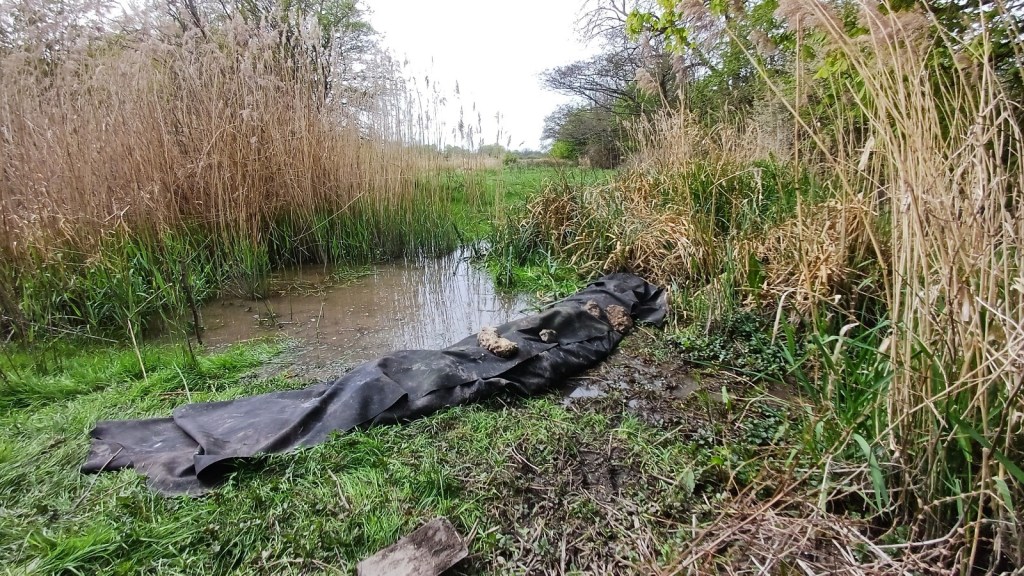
We failed. It was dry within a few weeks. The leak was plugged and the whole field dried up, but it has given us ideas.

At the end of the month we had an even bigger picnic to celebrate: Beltane! We made a new picnic spot deep in the marsh, stayed the night and left at dawn to an ethereal sunrise and dawn chorus.
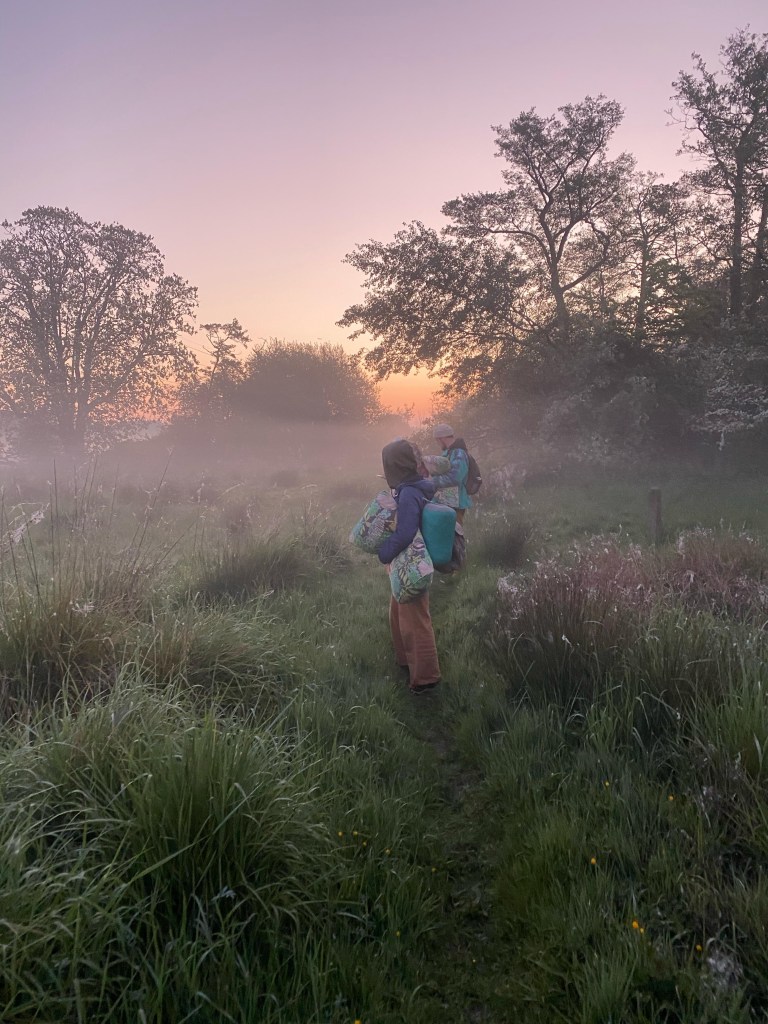
It was now May, a real time of excitement as the marsh awoke from its winter slumber.
We invited Reading and District Natural history society to explore the marshes with us. We excitedly showed them all our work and the wonderful habitat, they peered into it and named everything they saw. It was a fabulous get together, we all learnt lots!
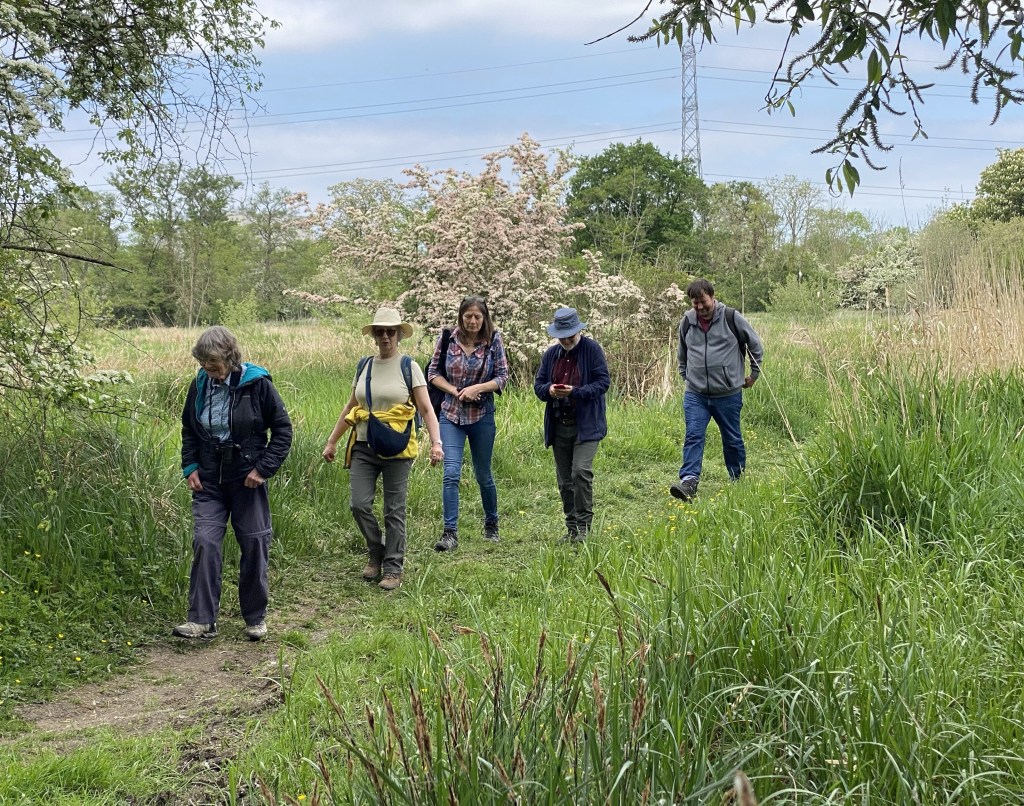
Our next mission was to cut a swathe through the lush marshy vegetation between watermint bridge and the dam through the reeds, sedges, burr reeds and sweet grasses. Our route was taking shape.
Leading the way was our expert ornithologist who steered us away from any nesting birds. The path we cut took us past the Sedge Warblers and Reed Buntings so they weren’t disturbed. It turns out that some of them like what we did. The fledgling Reed Buntings like to forage on the path we cut.
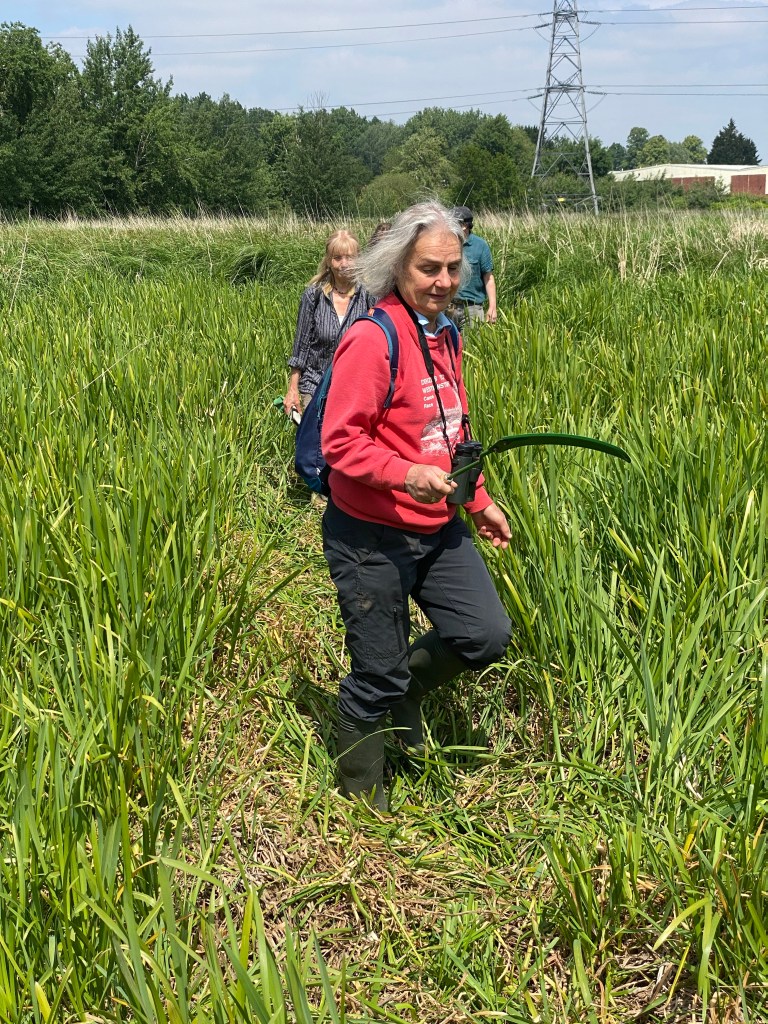
And so we arrived at the dam, but that wasn’t the end of the path, it needed to carry on. The end would eventually be the old railway track.
The ditch where we built the dam was a much bigger challenge. It was awkward to cross, so we planned on building another bridge. In my head it was going to be a bit more complex. It was a much wider crossing!

We went back in June and when the smaller Marshians paddled across the low water below our dam to the other side they found a pallet and a log. And five minutes later a crossing was made.

What I had thought would take all day took the kids a moment and we sat under the shade of the old White Poplars listening to the excited chatter of Sedge Warblers and small Marshians.
One Friday evening we had beers on the bench, lots of them.

At the weekend we picked up more litter. Tons of it.
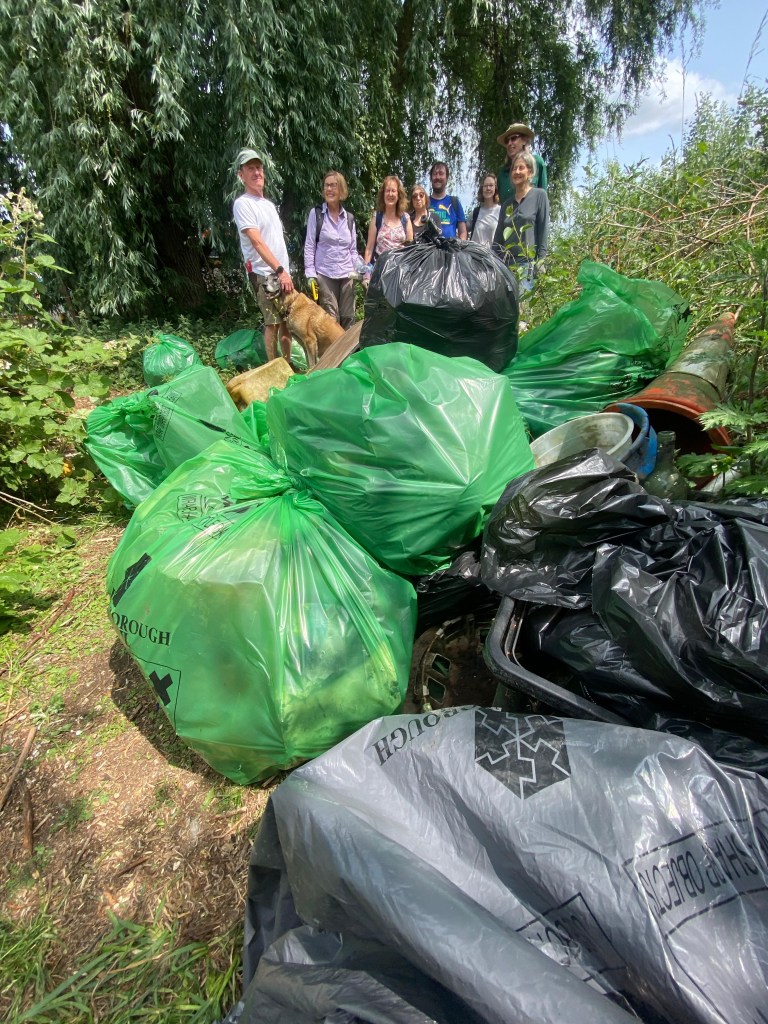
We asked the council not to clear the path alongside the marsh that they didn’t cut last year. We said we’d do it.
Before it became too overgrown we cut down all of the Hemlock Water dropwort. It’s really common and grows tall and fast and was blocking not just the path but the light to many more delicate plants.

All the lovely wildflowers were now thrust into the sunlight.
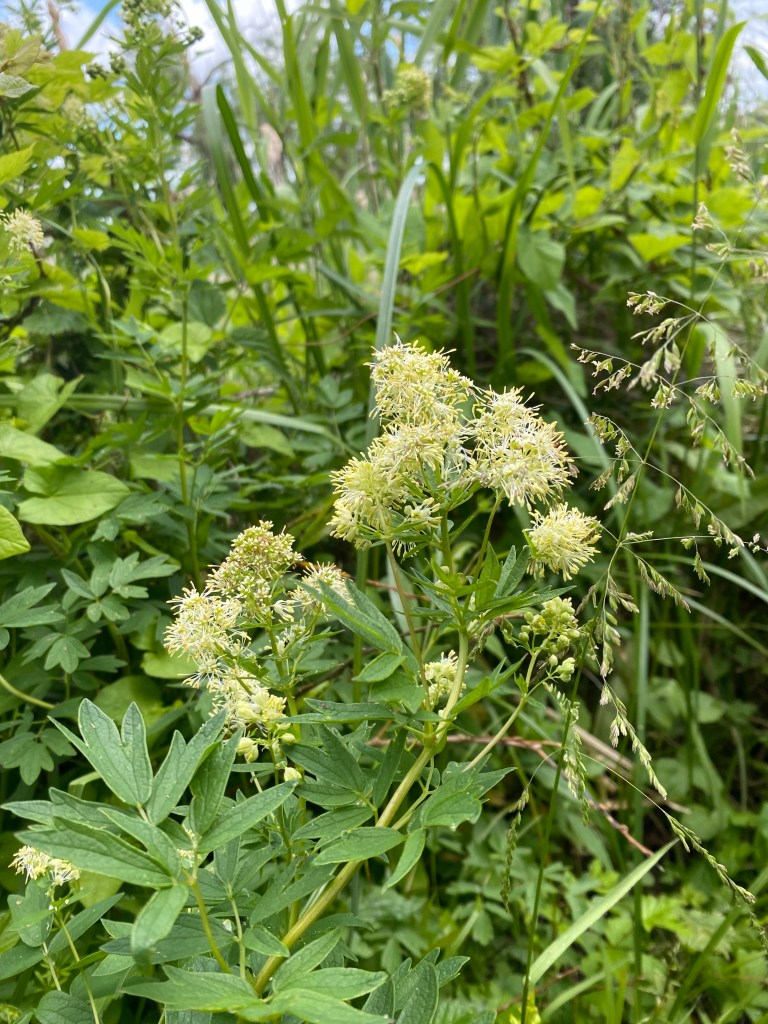
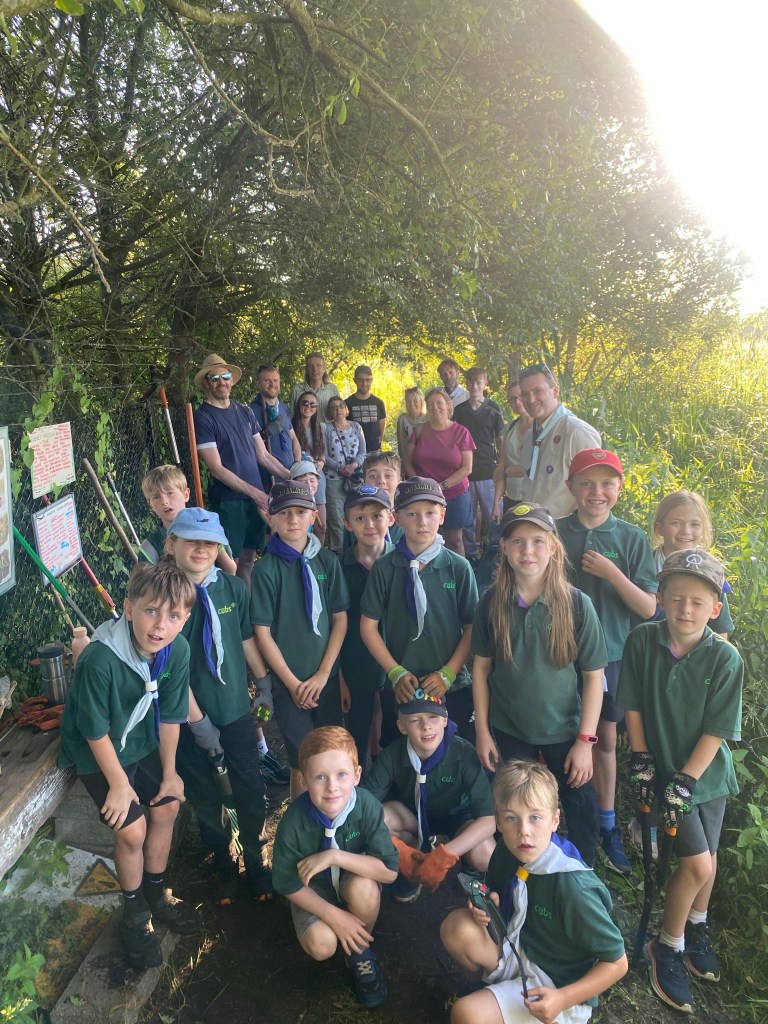
And then a troop of cubs gave it a trim.
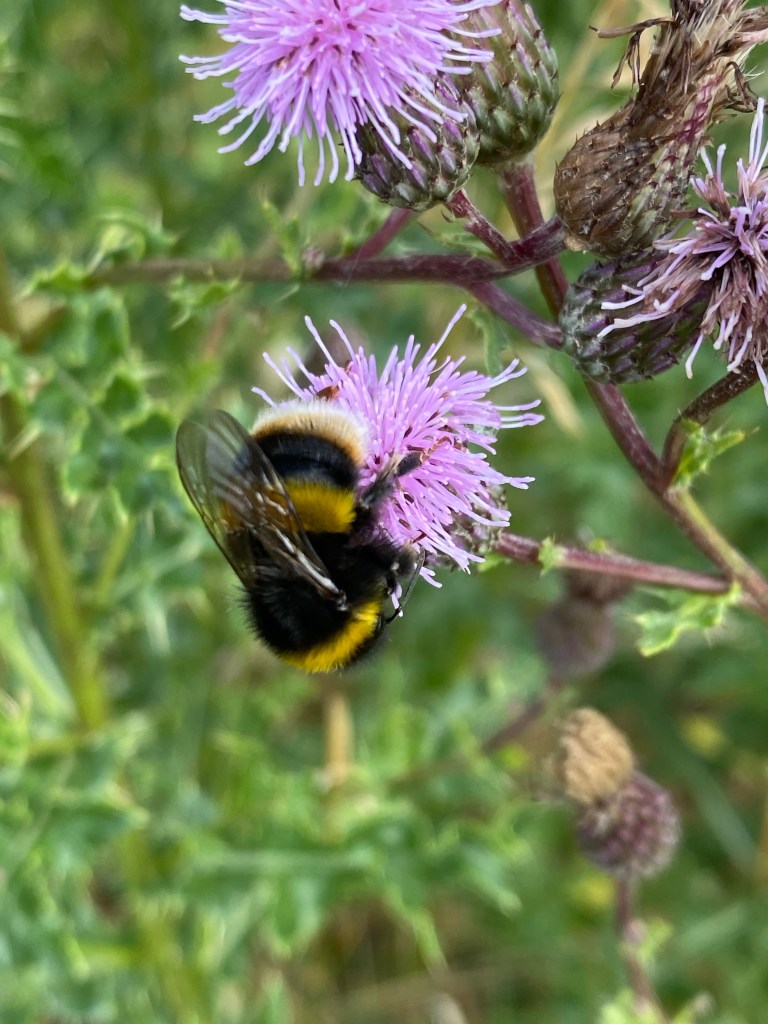
And the butterflies swarmed in

As did the bees
As did adventurers with wheelchairs.

Come the summer solstice and we couldn’t resist an evening in the marsh.
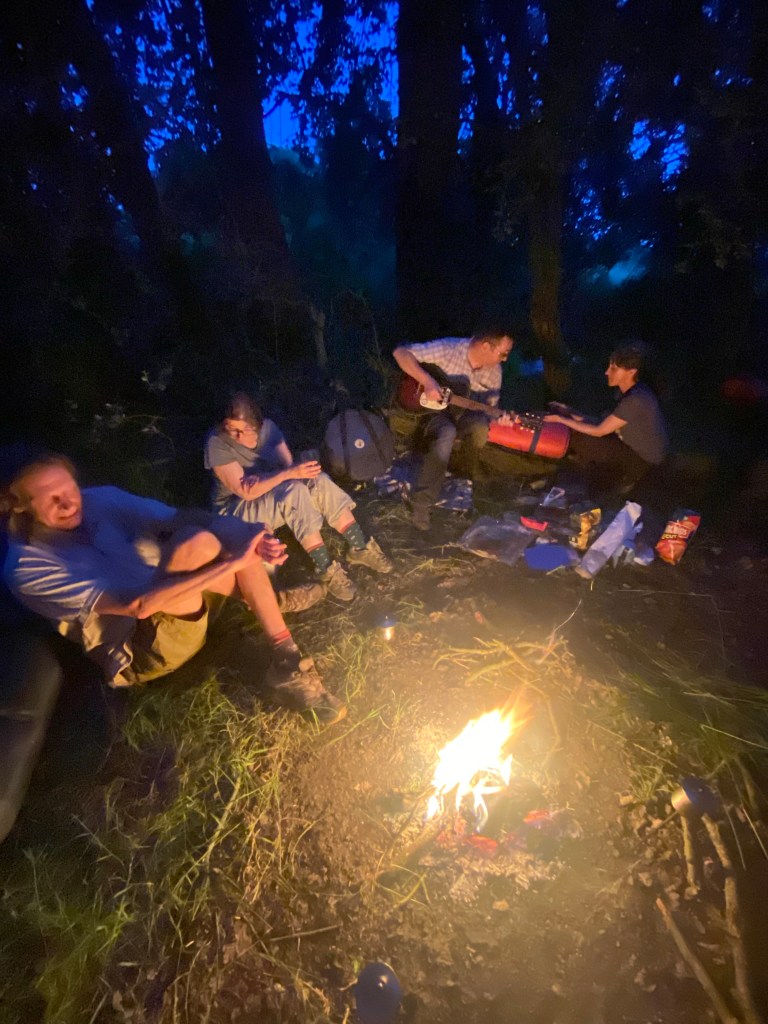
As spring turned to summer we explored more than ever before.
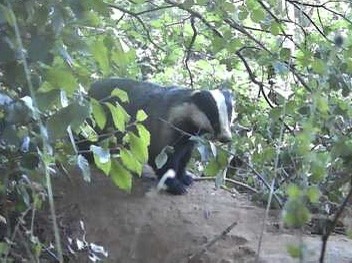
We watched badgers and bats in the evenings.
The willows we coppiced flourished. They would never have grown if the cows were still grazing.

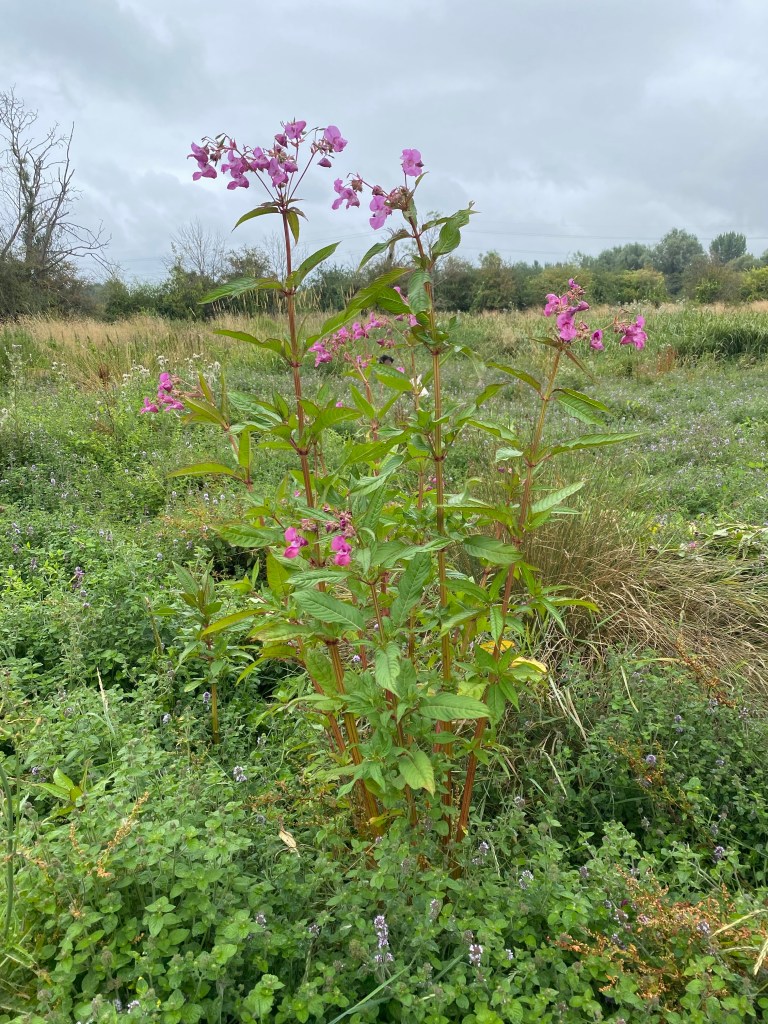
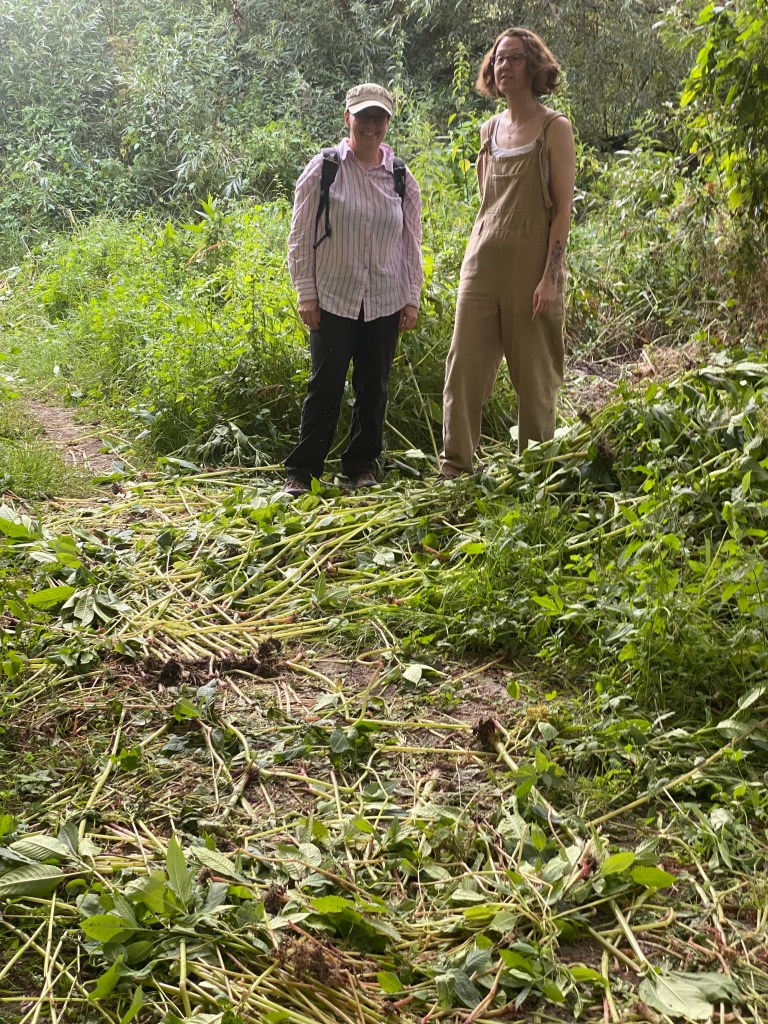
We tackled the patches of Himalayan Balsam which has the potential to be invasive. Seeds float on the winter floods and can grow three metres tall in dense patches that smother everything.
Until the Marshians pulled it all up!
We’ve widened Marshian way so it’s now an easy walk across the marshes whilst they’re still dry.
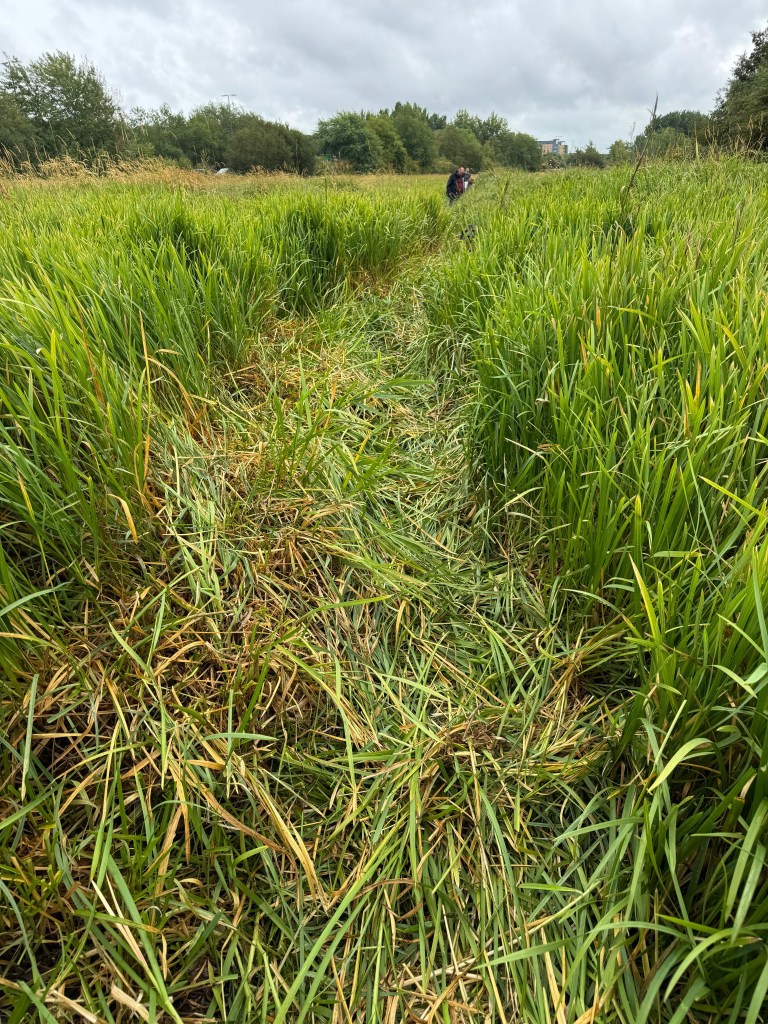
We then discretely made a path through to the railway line.
It’s become a wonderful little walk that only Marshians know about it. It’s a secret known only to us.
You’d be lucky to find it if you didn’t know it was there. Very lucky indeed. Imagine discovering this fabulous marsh and our secret path for the first time.
The willow cuttings are doing well, there are now trees some 2 meters tall. Soon they’ll be taller than the grasses of the marsh.

The path takes us to Prosecco point, now a popular meeting point hidden away deep in the marsh but still close to town.
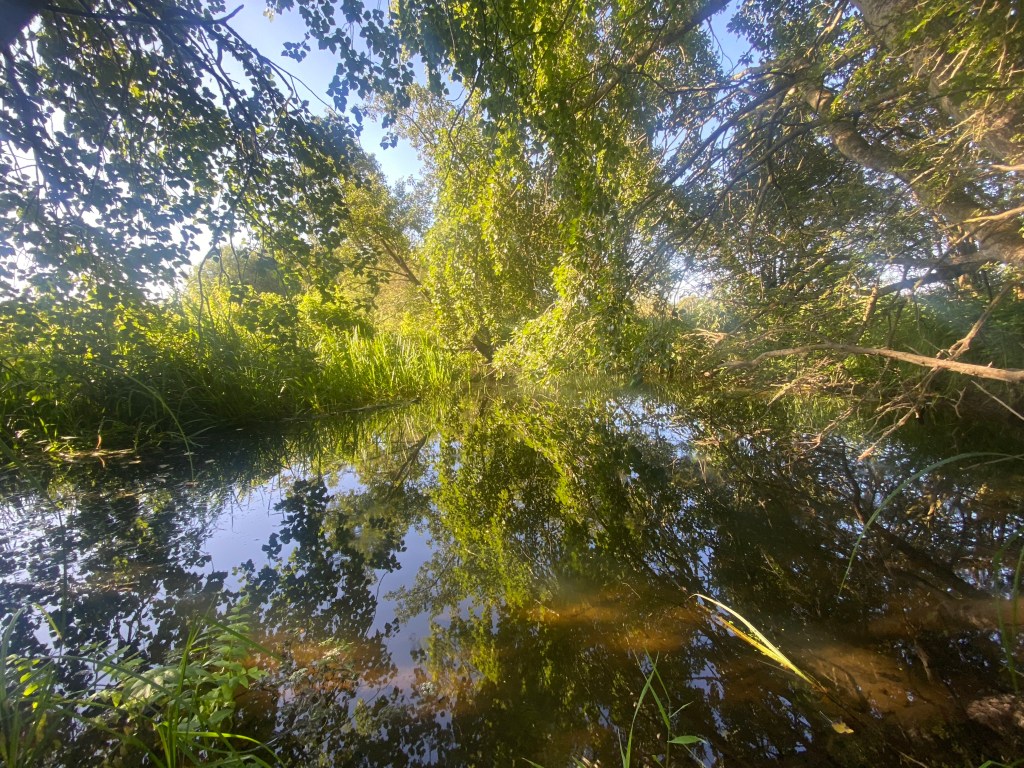
The pool is deep with the water held back by our dam. Little fishes dart about where otherwise might be bare mud.
Now we tread much more lightly on the marsh and we make amazing finds.
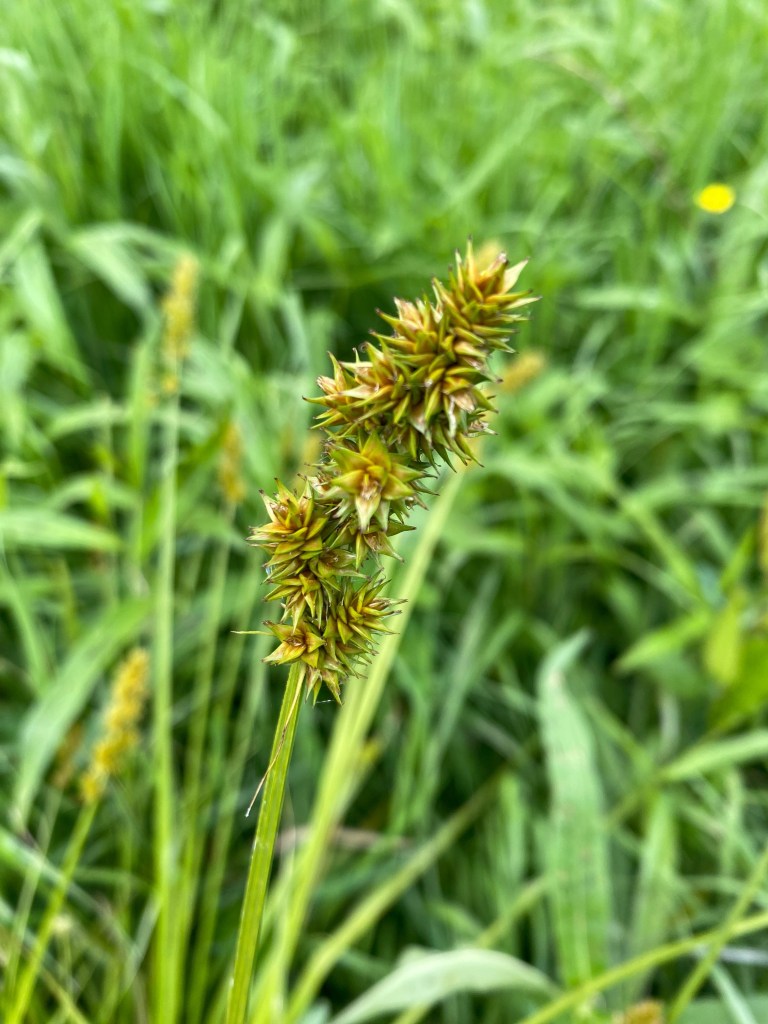
Fox sedge.
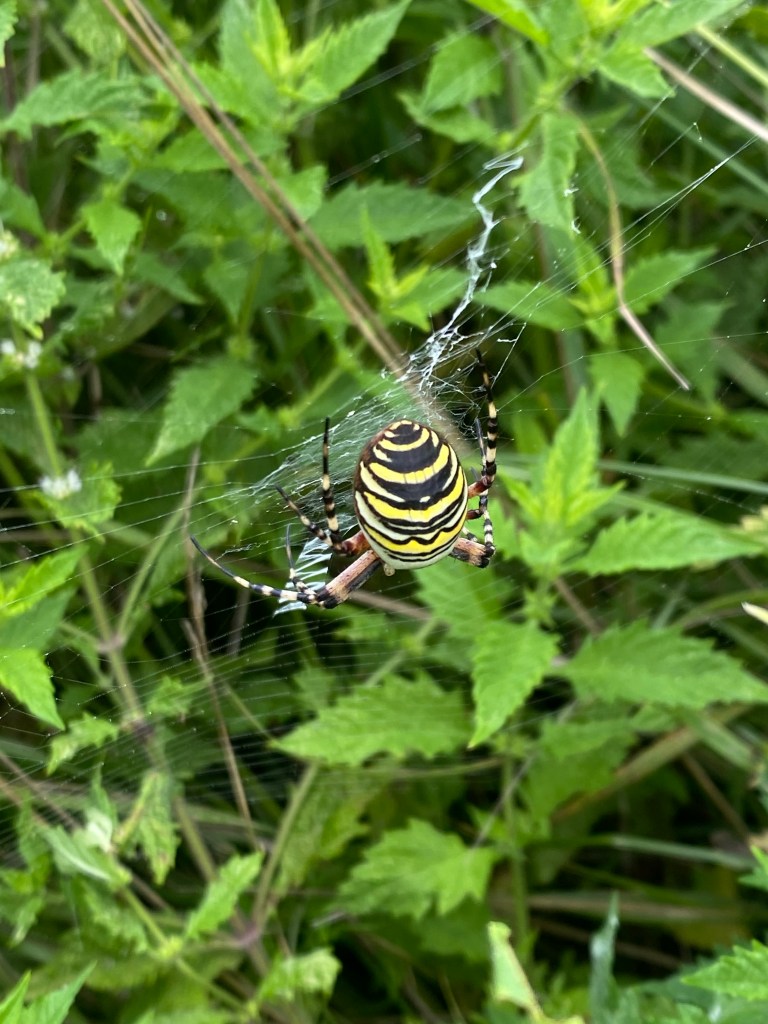
A wasp spider
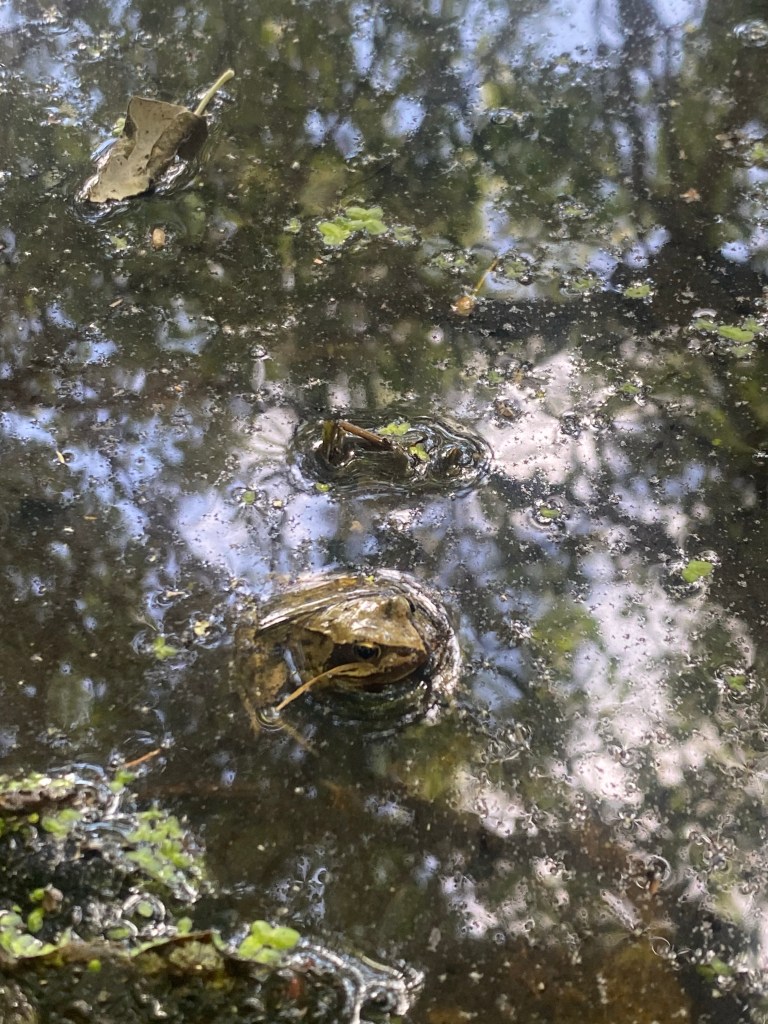
And a frog!
Meanwhile the marsh has grown up. Tall grasses dominate the spongy wet ground. We catch glimpses of the life that lives within, and soon we’ll be willow planting and stomping in earnest.
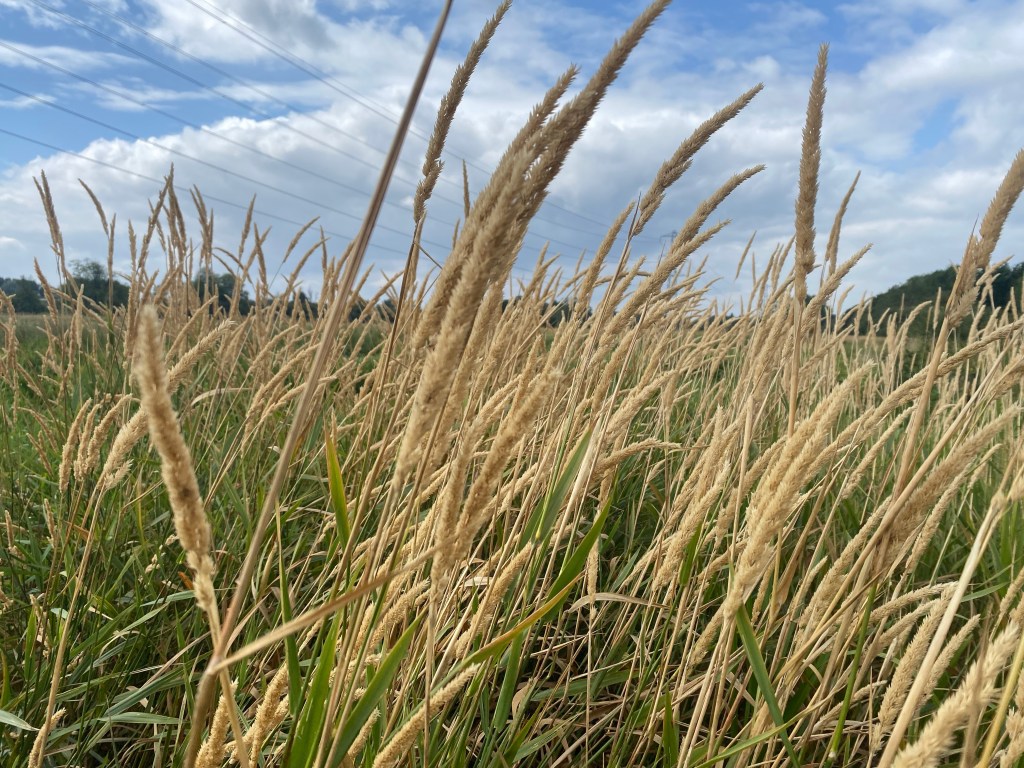
As we’ve spent more time on the marsh we’ve seen lots of the its wildlife and a felt a real sense of accomplishment. We haven’t spent any money and we haven’t filled out any forms. We still haven’t got any agreement with the landowners to do any of this. We still haven’t heard anything from the council.
We know something needs doing and we’re learning how to do it. And when the stomping season starts again and the winter rains start to fall we’ll use the knowledge gathered in the last year to make these marshes even more fabulous.
 Rural Reading