
With the marshes full of fledglings and nestlings it’s best to leave it alone.
Midsummer is the time for quiet observation and there is so much to see. It’s quieter now though. There’s not a lot of sound beyond the wind blowing through the reeds. The birds are singing much less, by the crickets have started up.

Gatekeeper butterflies flutter by the gate

Lesser Water Parsnip has done well now the grass along the path has been cut back a bit.
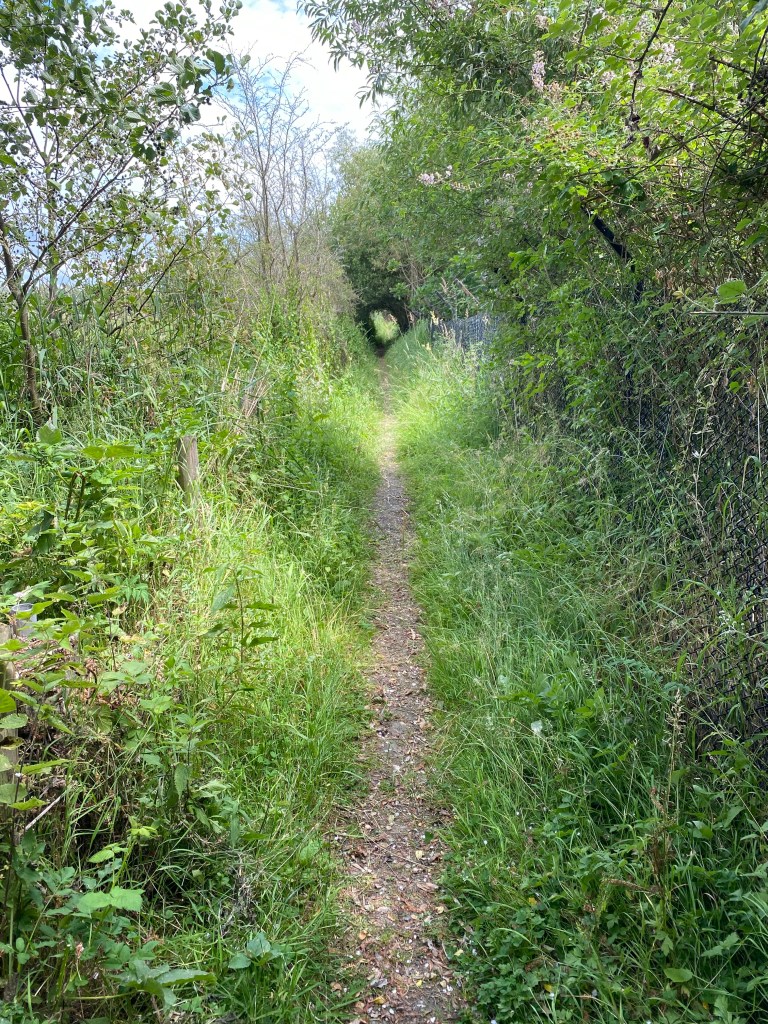
Marshians are looking after the path, and it’s the best spot to watch nature
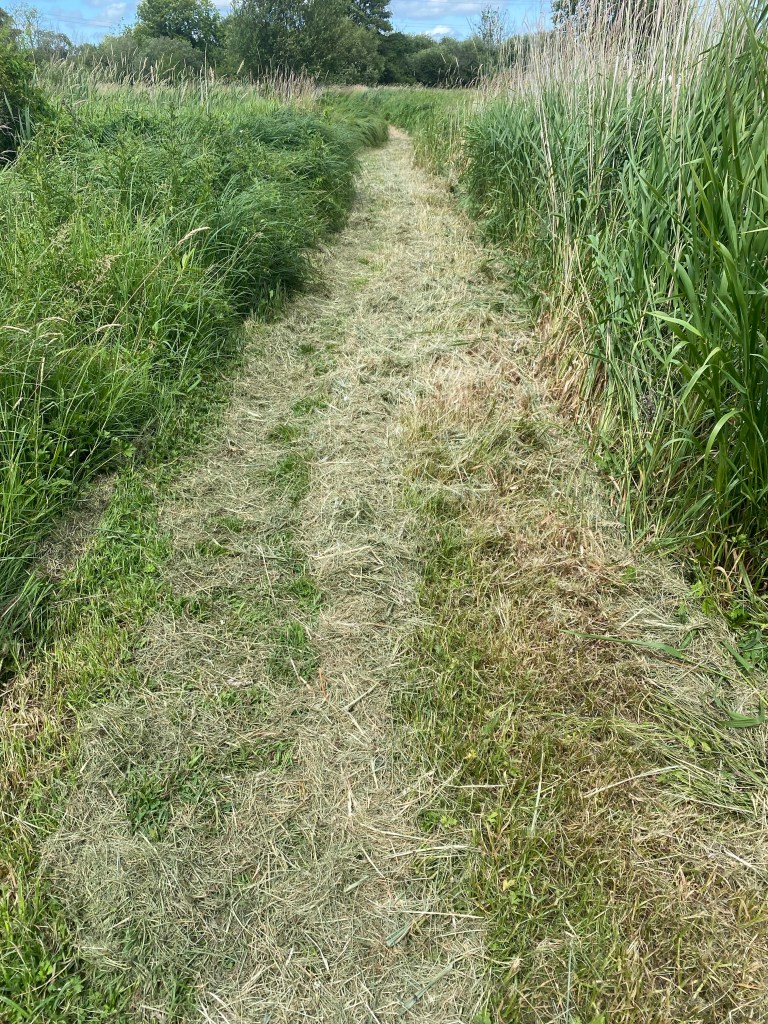
The other path has had its once a year haircut, which looks brutal but it’s just different so has its place. It’s also very easy to walk along.
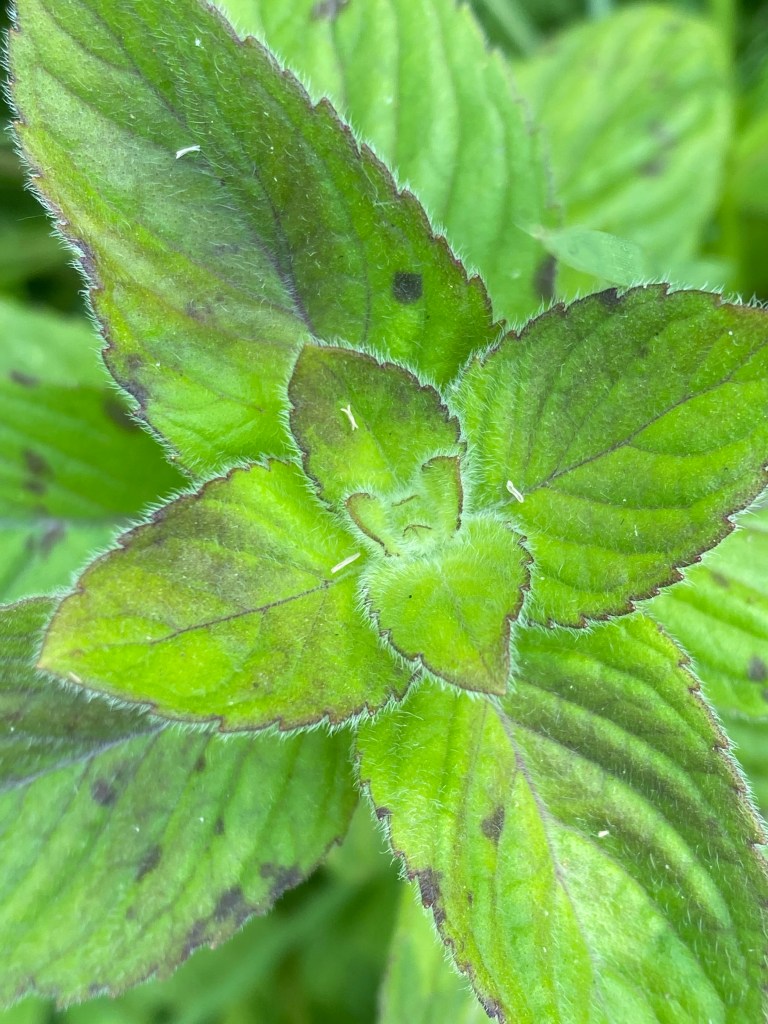
Water mint grows in vast quantities and from a distance might look like a bank of nettles. If you walk through it instead of being stung you can breathe in fresh minty air.
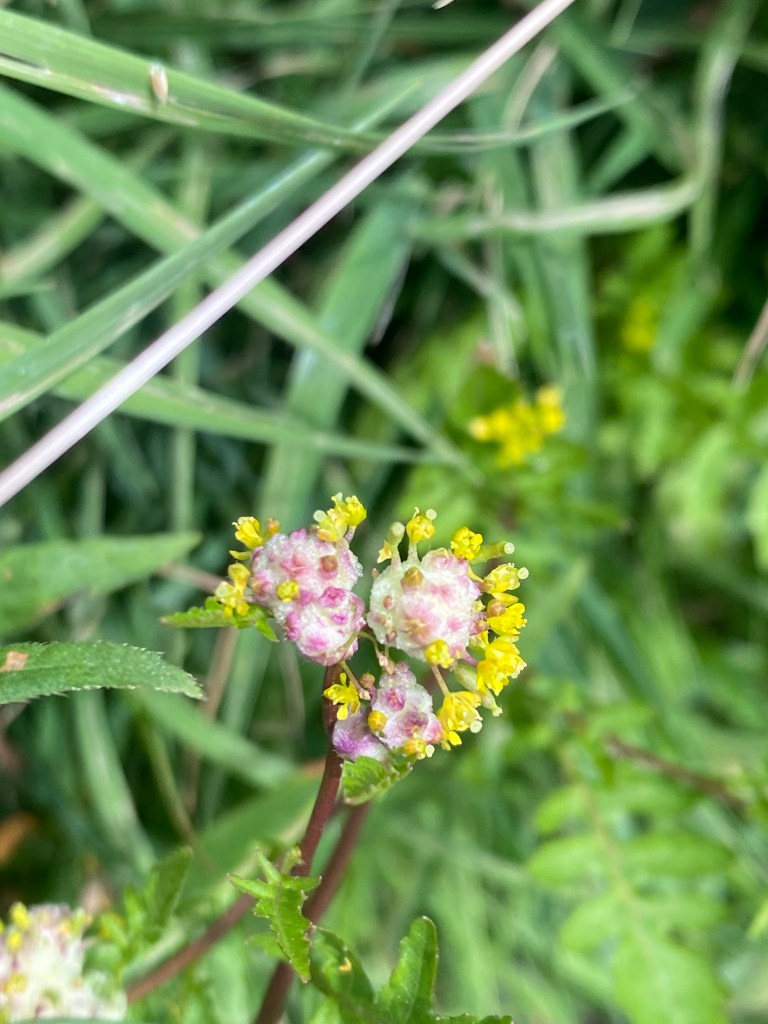
Marsh Yellow cress is about to set seed. I want to collect some so I can scatter it elsewhere. While checking to see if the seeds are ripe yet I noticed a gall. It’s a midge, not everyone’s favourite creature but important to the broad biodiversity of the marsh.
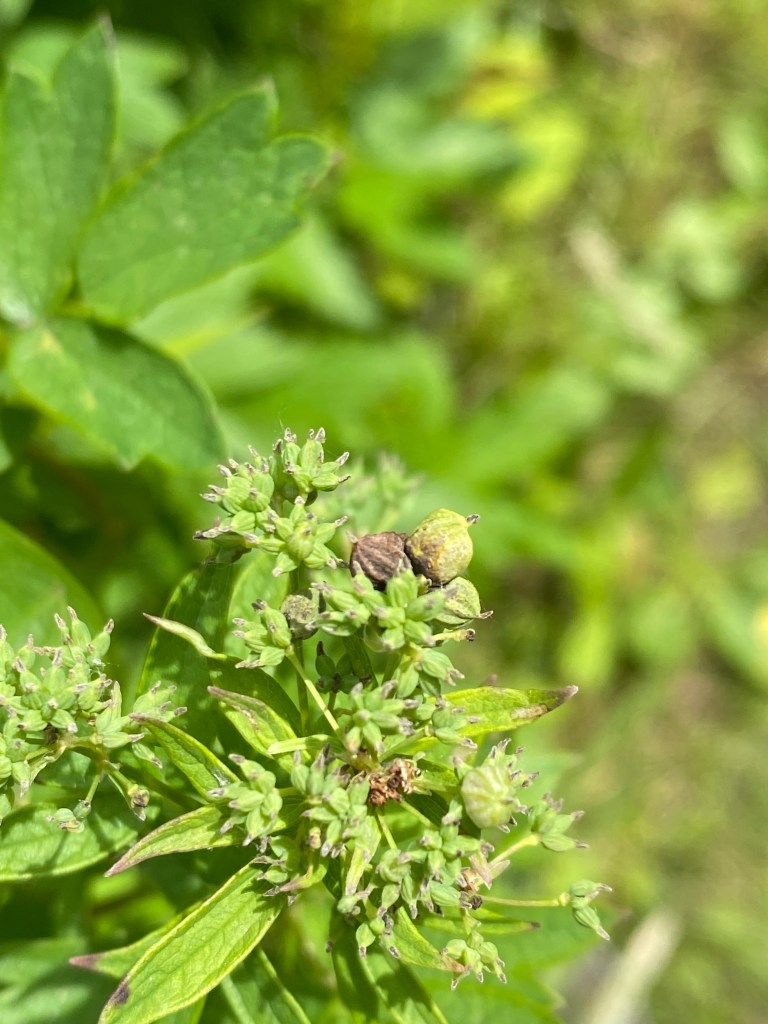
The same has happened to the meadow rue. Again I was checking to see if the seed was ripe when I noticed a gall of another midge. The brown balls are the galls and the little green shapes are the seeds I’m after. Well, I was after, that’s until I discovered lots more meadow rue all over the marsh.

Not the clearest photo, but deep in the marsh are meadow rue flowers quite widely spread. No need to gather seeds!

There’s a lot of butterflies, at least 15 species have been seen so far. Mostly they’re flitting about but every once in a while one lets me get close enough with my phone to take a photo. This is a Green Veined White.

And this is a Large Skipper.

This is False Fox sedge, there’s a lot of different sedges in the marsh, some a lot less common than others.
 Rural Reading